Folded clothes often suffer less from washing than from being crammed into the wrong storage: crushed knitwear, musty spare bedding, misshapen seasonal layers and awkward piles that topple whenever you need one item. This Lifewit Canvas Wardrobe Storage Bag review looks at it as a day-to-day garment-care tool rather than a miracle space saver: useful for calmer wardrobes, but only if its size, structure and fabric suit the clothes you plan to store.
Canvas Wardrobe Storage Bag
Tr
In brief
Quick verdict: the Lifewit Canvas Wardrobe Storage Bag is a sensible option for people who want soft, enclosed storage inside a wardrobe, cupboard or spare-room storage area. It is best for clean, fully dry, folded textiles rather than damp laundry, heavy shoe storage or garments that should hang.
Its main appeal is simplicity. A canvas storage bag gives folded clothes a defined home, helps reduce everyday dust exposure and makes wardrobe shelves easier to divide by season, fabric type or frequency of use. The trade-off is that a soft fabric organiser will not behave like a rigid box: it needs sensible packing, dry storage conditions and occasional airing to keep clothes in good condition.
Product overview
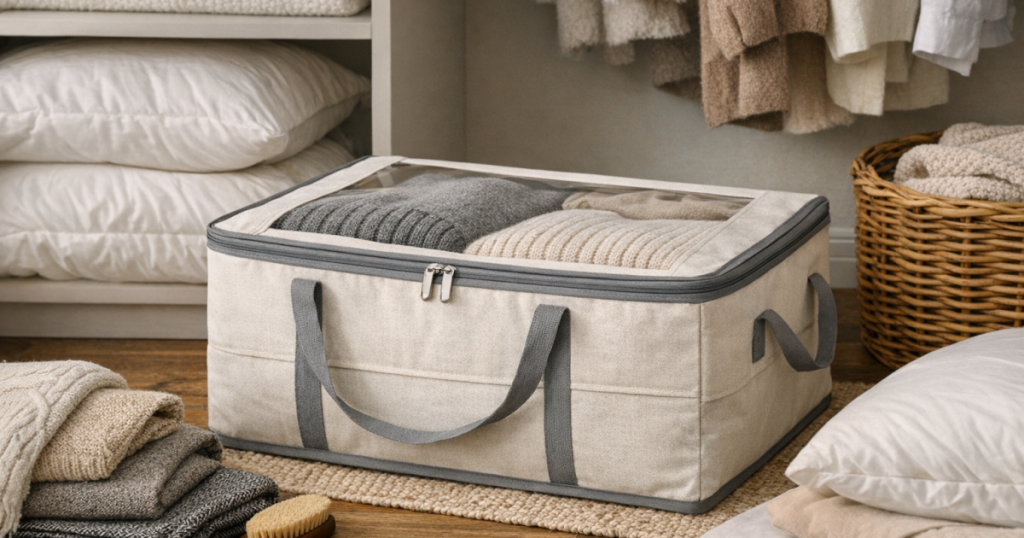
The Lifewit Canvas Wardrobe Storage Bag is a fabric storage organiser from Lifewit, a brand commonly associated with home organisation products. In garment-care terms, it sits between a breathable storage bag and a general household organiser: more flexible than a hard plastic box, tidier than loose piles, and more wardrobe-friendly than shoving out-of-season clothes into carrier bags or uncovered stacks.
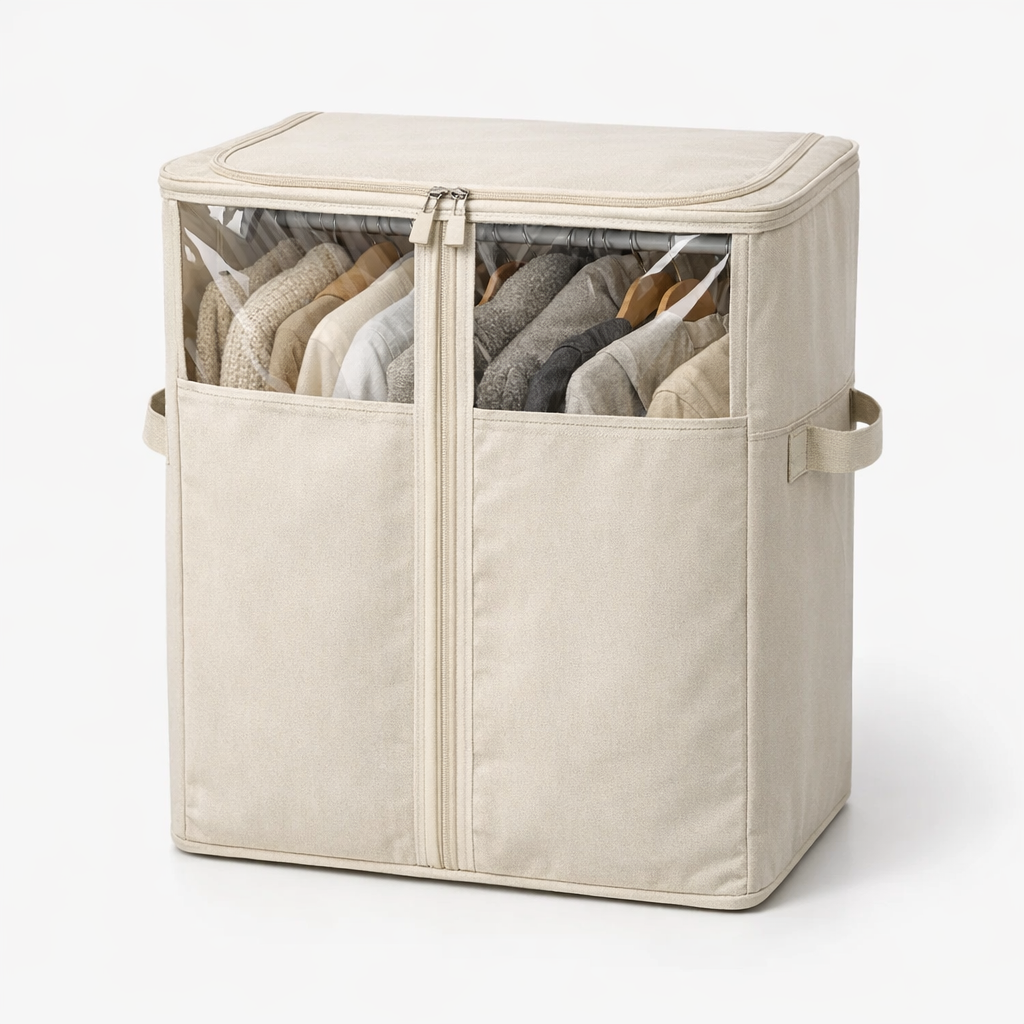
It makes most sense for folded jumpers, sweatshirts, T-shirts, lightweight trousers, scarves, spare bed linen and out-of-season items that you still want reasonably accessible. It is not the right answer for everything. Tailored jackets, structured dresses and coats usually need hanging space and proper support, while delicate garments may need a separate garment bag or careful wrapping depending on the fabric.
Before buying, check the exact retailer listing carefully. Lifewit storage products can appear in different sizes, pack quantities and designs, so you should verify the listed dimensions, fastening style, handle arrangement, colour and whether the version you are viewing includes any visibility panel or labelling area. Those details matter more than they first appear, because the wrong format can turn a neat organiser into another awkward pile at the bottom of the wardrobe.
For a wider wardrobe reset, it pairs well with a fabric-led sorting approach. If you are deciding what should be folded, hung, rotated seasonally or kept closer to hand, our wardrobe organisation guide for sorting clothes by use and fabric is a useful next step.
Key specs
- Brand: Lifewit.
- Full product name: Lifewit Canvas Wardrobe Storage Bag.
- Product type: fabric wardrobe storage organiser for folded household textiles and clothing.
- Material description: marketed as canvas; check the retailer listing for the exact fabric composition, lining and care guidance.
- Best storage position: wardrobe shelves, cupboard shelving, spare-room storage or any clean, dry indoor area where the bag is not being crushed.
- Items it suits: folded knitwear, casual layers, scarves, T-shirts, light seasonal clothing and spare bed linen.
- Items to treat carefully: silk, embellished garments, leather, suede, structured tailoring and anything that must retain a sharp shoulder or lapel shape.
- Details to verify before purchase: dimensions, pack size, closure, handles, colour, window or labelling features, maximum loading guidance and return policy.
- Care expectation: keep it dry, avoid overfilling, air it between seasonal rotations and clean only according to the product’s care instructions.
Pros and cons
Pros
- Good for calmer shelves: it gives folded clothing a defined boundary, which helps stop piles spreading across wardrobe space.
- Soft-sided and fabric-friendly: compared with hard-edged boxes, a fabric organiser is gentler around knitwear and casual layers when packed sensibly.
- Useful for seasonal rotation: it can keep summer layers, winter accessories or spare bedding grouped together until needed.
- Less visually messy: enclosed storage can make open shelving and shared wardrobes look more controlled.
- Flexible when not packed full: soft storage can be easier to fit into awkward wardrobe gaps than rigid boxes, provided the bag is not overloaded.
Cons
- Not a structure-preserving solution: it will not protect tailored garments in the same way as a proper hanger, garment bag or breathable suit cover.
- Can become misshapen if overfilled: stuffing it too tightly risks creasing clothes and making the bag harder to handle.
- Not a damp-storage fix: canvas storage should only be used for fully dry garments in dry indoor conditions.
- Exact features vary by listing: buyers need to check size, handles, closure and pack quantity rather than assuming every listing is identical.
- Less protective than rigid storage for heavy items: heavier household goods can compress the bag and the textiles inside it.
Performance in real use
Clothes protection
The Lifewit Canvas Wardrobe Storage Bag works best as a dust-reducing, organisation-first layer of protection. For everyday fabrics such as cotton jersey, sweatshirts, fleece layers and folded knitwear, the soft format is forgiving as long as the garments go in clean, dry and loosely folded. It helps stop clothes sitting uncovered on a shelf, where dust, light handling and wardrobe clutter can make them feel tired before they are worn again.
It is not a sealed conservation box, and that is important. Do not treat it as a solution for damp rooms, condensation-prone storage, lofts with fluctuating conditions or clothes that already smell musty. Natural fibres such as wool and cotton should be fully aired before being stored, and anything worn against the skin should be washed or refreshed first. Trapped body oils and moisture are more likely to cause odour problems than the storage bag itself.
Shape and crease control
Soft storage has a natural limitation: it follows the shape of what is inside. Pack folded jumpers neatly and the result is tidy; cram in bulky layers and the bag will bulge, making creasing and compression more likely. The best approach is to group similar items together and avoid mixing heavy textiles with delicate or loosely knitted pieces.
For knitwear, fold rather than hang if shoulder distortion is a concern, but avoid pressing down hard to create extra space. For woven shirts, linen trousers or garments that crease sharply, consider whether they would be better on a hanger, loosely folded at the top of the bag, or stored separately.
Ease of use
The strongest practical reason to choose this type of organiser is that it makes wardrobe routines easier. Instead of searching through a high shelf or lifting several piles to find one jumper, you can assign one bag to a clothing category: winter jumpers, gym layers, spare bedding, holiday clothes or children’s outgrown-but-not-yet-donated items.
Handles, openings and visibility features should be checked before buying because they affect everyday use. If the bag will live on a high shelf, sturdy-feeling handles and a manageable packed weight matter. If it will be stored in a deep cupboard, a clear labelling system may be more useful than a viewing window. If you plan to use several, measure the shelf height and depth first rather than guessing from product photos.
Breathability and moisture management
Canvas-style fabric storage can feel more clothing-friendly than sealed plastic for indoor wardrobe use, but it should not be confused with moisture control. The bag will not make damp clothes safe to store, and it will not solve a wardrobe affected by condensation or poor airflow. Leave recently ironed, steamed or line-dried garments to cool and air fully before packing them away.
For seasonal storage, add a simple rotation habit: open the bag every so often, check for trapped odours and refold items that have been compressed. This is especially worthwhile for wool blends, cotton sweatshirts and bedding, which can pick up stale smells if left untouched for long periods.
Durability and maintenance
A fabric storage bag’s durability depends heavily on how it is used. It should cope better with folded textiles than with overloaded heavy items, sharp accessories or being dragged across rough flooring. Avoid using it as a moving bag or overpacking it until the seams, closure or handles are under strain.
Maintenance is straightforward but should be gentle. Empty the bag between seasonal changes, shake out loose dust, air it in a dry room and wipe or spot-clean only if the product care instructions allow. Do not soak the bag unless the manufacturer specifically says that is safe, as water can distort some fabrics and leave marks or residue.
Value for a UK wardrobe
The value depends less on the headline price and more on whether the size matches your storage problem. A well-sized bag that turns one chaotic shelf into an easy seasonal system is good value; a pack that is too large for the wardrobe, too small for your folded layers or awkward to lift will quickly feel like clutter. Measure first, then decide how many bags you genuinely need.
It is particularly useful in UK homes where wardrobe space is often shared with bedding, workwear, school uniform, out-of-season coats and occasionalwear. The best results come from using it as part of a system: clean clothes, sensible folding, dry storage and enough empty space around the bag that it can be lifted without being crushed.
Who it’s best for / who should skip it
Best for
- People who need tidy storage for seasonal clothes inside a wardrobe or cupboard.
- Anyone with folded knitwear, sweatshirts, scarves or spare bedding that currently sits in unstable piles.
- Households trying to separate clothes by person, season, fabric or use without installing new furniture.
- Renters who want removable storage rather than fitted wardrobe changes.
- Families rotating children’s clothing, school layers or occasional outfits between seasons.
Skip it if
- You mainly need to protect tailored jackets, coats or structured garments that should hang properly.
- Your storage area is damp, musty or prone to condensation.
- You want a rigid, stackable box for heavy items.
- You need transparent storage where every item is visible at a glance.
- You are trying to compress clothes aggressively rather than store them with fabric care in mind.
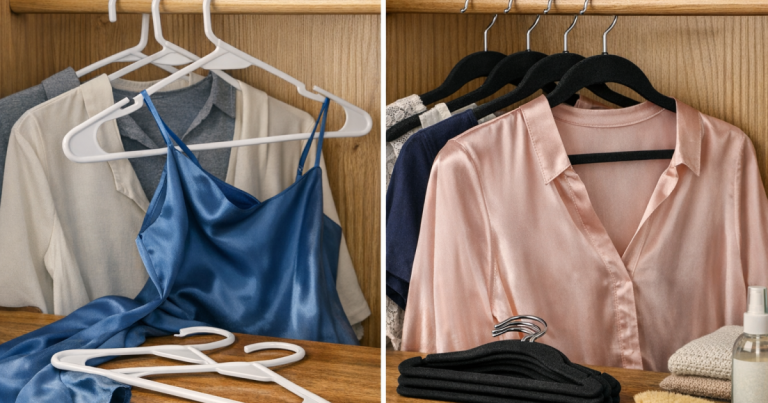
If shoulder shape is your bigger problem, storage bags are not the answer. Use supportive hangers for garments that should stay suspended; our guide to choosing hangers that stop shoulder bumps explains what to look for by fabric and garment type.
Alternatives
If you like the idea of soft, wardrobe-friendly storage but want a different format, the IKEA SKUBB Storage Case is worth comparing for wardrobes where modular sizing and a cleaner, boxier look matter. It is still soft storage, so the same rules apply: do not overfill it, and only store dry garments.
If you need something more rigid for a cupboard, garage-style utility area or heavier household textiles, a Really Useful Box 64 Litre may be more appropriate. For clothing, though, plastic boxes need extra care: avoid damp locations, do not trap warm laundry inside, and consider whether delicate fibres would be happier in breathable fabric storage.
The Lifewit option remains the more fabric-led choice for ordinary wardrobe shelves where softness, flexibility and seasonal sorting are the priority. Choose the alternative only if the storage location or contents genuinely demand a different structure.
Things readers ask
Can I store wool jumpers in the Lifewit Canvas Wardrobe Storage Bag?
Yes, provided the jumpers are clean, fully dry and folded without being compressed. For wool and merino blends, avoid packing the bag tightly and air the contents during long storage periods.
Is it suitable for damp rooms or loft storage?
It is better treated as indoor wardrobe or cupboard storage. Damp rooms, condensation-prone lofts and unheated outbuildings are poor choices for stored clothing, whatever bag you use.
Should I wash clothes before putting them into storage?
For anything worn against the skin, yes. Body oils, deodorant residue and food marks can become more noticeable over time and may attract pests, so store garments clean and completely dry.
Can it replace vacuum storage bags?
Not really. Vacuum bags are for compression, while this is better for accessible, gentler storage. For knitwear and clothes you want to keep in good shape, less compression is usually kinder.
How many storage bags should I buy?
Measure your wardrobe first and plan by category. One useful bag for winter knits is better than several oversized bags that block shelves and make clothes harder to reach.
Verdict + score
The Lifewit Canvas Wardrobe Storage Bag is a strong choice for simple, fabric-aware wardrobe organisation. It is not the most protective option for structured garments, damp spaces or heavy storage, but for folded seasonal clothing, knitwear, casual layers and spare bedding, it offers a neat balance of softness, accessibility and order. Its biggest strength is helping clothes stay grouped and less exposed without turning your wardrobe into a rigid storage system. Its biggest weakness is that buyers must check the exact listing carefully and avoid overfilling it. Used in a clean, dry wardrobe with sensible folding habits, it earns 8.1/10.
Canvas Wardrobe Storage Bag
Tr
You might also like: How to Steam Delicate Dresses Without Leaving Water Marks.