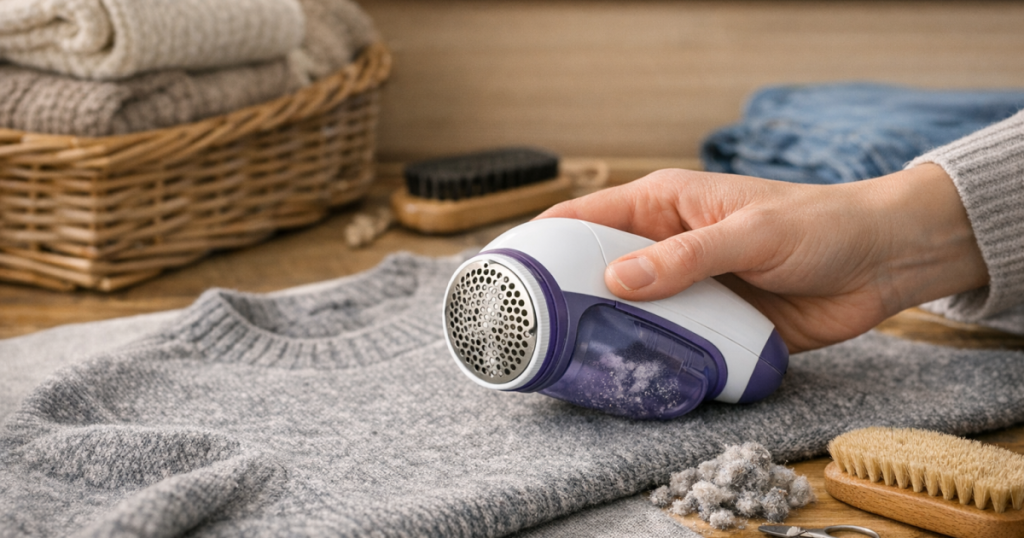
A jumper can look tired long before the fabric has actually worn out. This Philips Fabric Shaver GC026/30 review looks at whether a small, straightforward de-bobbler can make pilled knitwear, sweatshirts and everyday garments look more presentable without turning clothes care into a faff.
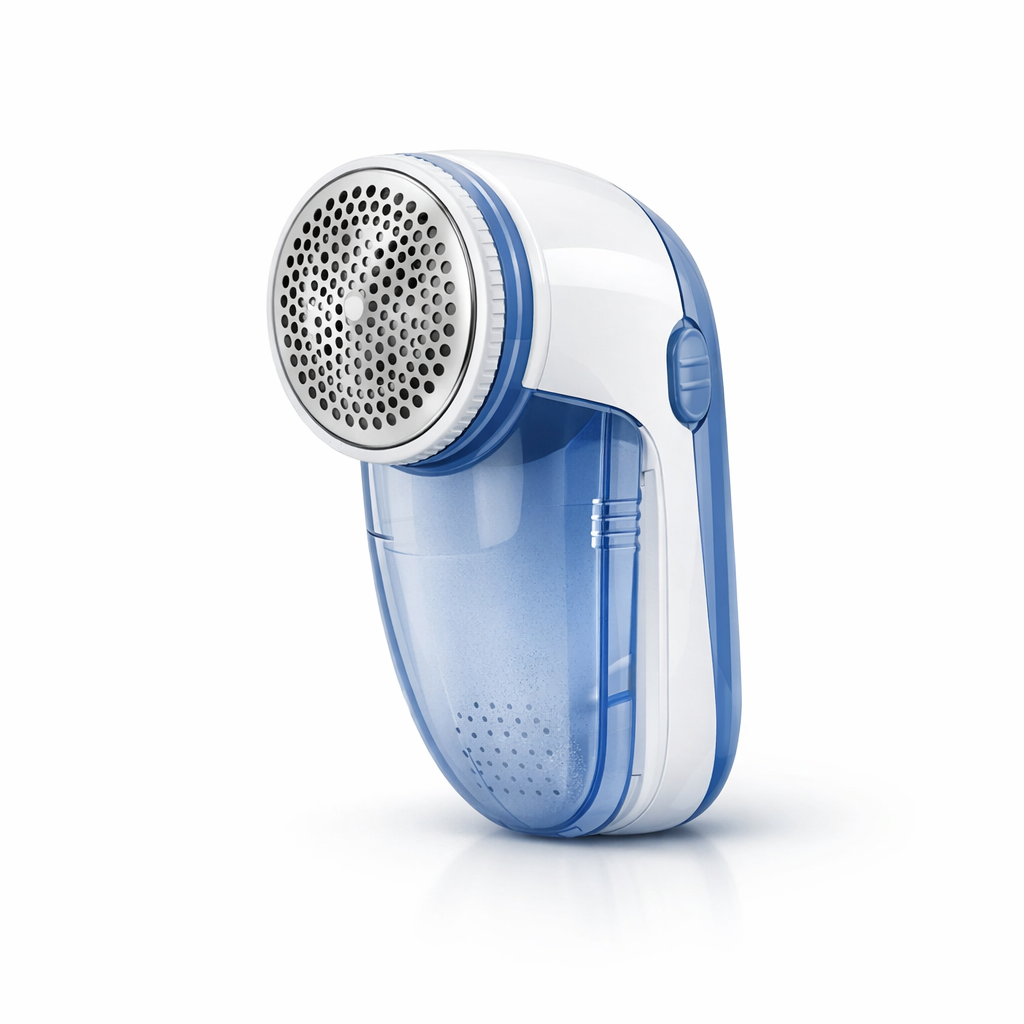
Bobble Off Fabric Shaver
It loses marks for not being a cure-all and for requiring careful checking on delicate textiles, but as a compact de-bobbler for everyday UK wardrobes, it earns a confident 8.
What to know first
The short verdict: the Philips Fabric Shaver GC026/30 is a sensible choice for light to moderate bobbling on common household fabrics. It is not a magic repair tool for badly worn garments, but used carefully it can tidy cuffs, sides, underarms and high-friction areas surprisingly well.
Its main appeal is simplicity. There is no complicated setup, no specialist technique to learn and no need to reserve half a day for garment care. The trade-off is that you still need patience: pressing too hard, rushing over seams or using it on fragile fibres can do more harm than good. As with any product-led review on this site, affiliate relationships may apply; our affiliate disclosure explains how that works without changing the editorial aim of helping you choose carefully.
Product overview
The Philips Fabric Shaver GC026/30 is a handheld fabric shaver designed to remove pills and surface fuzz from clothing and soft textiles. It sits in the useful middle ground between a cheap disposable lint tool and a more involved garment-care appliance: small enough to keep in a drawer, but more purposeful than a manual comb when you have several garments to refresh.
For UK homes, its best use case is seasonal clothing maintenance. Think wool-blend jumpers coming out of storage, school cardigans that have pilled at the sides, cotton-rich sweatshirts with fuzz across the front, or jersey garments that look rough after repeated washing. It is also handy before selling or donating clothes, where a tidier finish can make otherwise serviceable items look cared for.
It should be treated as a finishing tool, not a repair tool. It removes raised bobbles; it does not strengthen thinning fabric, reverse felting, hide holes or fix stretched knitwear. That distinction matters, because the best results come when you use it early, before pilling becomes dense and matted.
Key specs
- Product type: handheld fabric shaver and de-piller for clothing and soft textiles.
- Power format: commonly sold as battery-operated; check the retailer listing to confirm battery type and whether batteries are included.
- Main purpose: removing surface pills, bobbles and fuzz from suitable fabrics.
- Collection: designed with a removable compartment for collected lint and fabric pills.
- Fabric contact: use on flat, supported fabric and test first on a discreet area, especially with delicate or loosely knitted items.
- Included parts: verify the current box contents before buying, as retailers may list accessories such as a cleaning brush or protective cap differently.
- Best suited to: jumpers, sweatshirts, cardigans, scarves and other garments where bobbling is visible but the base fabric is still sound.
Pros and cons
Pros
- Compact enough for regular wardrobe maintenance rather than occasional deep-cleaning sessions.
- Useful for improving the appearance of pilled knitwear, jersey and everyday layers.
- Simple operation makes it approachable for households that do not want a fussy garment-care routine.
- Can extend the wearable life of clothes that look tired but are still structurally sound.
- Removable lint collection makes clean-up more controlled than using tape or scraping tools.
Cons
- Not suitable for every fabric; fine, open-weave, embroidered or heavily textured items need extra caution.
- Results depend on technique, especially using a light touch and keeping the fabric flat.
- It will not repair thinning, holes, felting or fibre damage.
- Battery-operated tools can feel less convenient if you prefer rechargeable appliances, so check the power format before buying.
- Small lint compartments need emptying during larger jobs, such as tackling several jumpers in one sitting.
Performance in real use
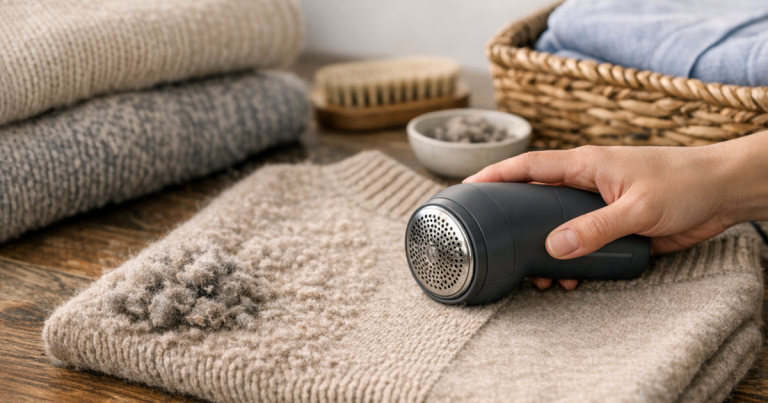
For this Philips Fabric Shaver GC026/30 review, the most important question is not whether it can remove bobbles in theory, but whether it fits normal clothing care at home. On the right fabric, it does. The biggest improvement tends to show on areas where bobbles sit proud of the surface: cuffs, sleeve undersides, side panels, hoodie fronts and the front of cardigans.
The finish is usually best when the garment is placed on a firm, flat surface and worked in short, gentle passes. Pulling the fabric taut helps the shaver skim the raised pills rather than dragging over folds. It is worth emptying the collection compartment before it becomes packed, because a clear path for removed fibres helps keep the process smooth.
Where it is less convincing is on very delicate or unstable fabrics. Loose knits, fluffy yarns, lace-like textures and garments with decorative stitching need a careful patch test. The aim is to remove pills, not shave away the character of the fabric. If a garment has sentimental or high cashmere content, take extra time and start on the least visible area.
Ease of use is a strong point. There is very little learning curve, but good results still require restraint. Many disappointing fabric-shaver experiences come from treating the tool like a sander. Light pressure, repeated passes and frequent checking give a cleaner result than forcing the head down to chase every last fibre.
Maintenance is equally straightforward. Empty the lint compartment, brush away trapped fibres around the shaving area and store it dry. Avoid using it on damp clothing, as wet fibres are more likely to clump and drag. For a UK laundry routine, it pairs well with line-drying or airer-drying habits: let garments dry fully, then de-bobble before folding or storing.
Who it’s best for / who should skip it
Best for: people who regularly wear knitwear, school uniform layers, sweatshirts, cardigans and casual tops that pill through friction. It is also useful if you prefer maintaining clothes rather than replacing them as soon as they look tired.
Also good for: households with limited storage space. The Philips Fabric Shaver GC026/30 is not a bulky garment-care appliance, so it suits flats, shared homes and smaller laundry setups where every drawer has to justify itself.
Skip it if: most of your wardrobe is made from very delicate, open, embellished or highly textured fabrics. You may get more control from a manual fabric comb on certain fine knits, although that takes longer and still requires care.
Also skip it if: you expect it to restore badly damaged clothes. If fabric is thin, shiny, felted or hole-prone, removing bobbles may make the wear more visible rather than making the garment look new.
Questions people ask
Can it be used on wool jumpers?
Yes, on many wool or wool-blend jumpers, but only with a light touch and a discreet test patch first. Avoid aggressive passes on loose, fluffy or expensive knits.
Will it damage clothes?
It can if used carelessly. Keep the fabric flat, avoid seams and raised details, and stop if the tool starts catching or pulling fibres rather than trimming surface pills.
Is it better than a lint roller?
They do different jobs. A lint roller removes loose fluff, hair and dust; a fabric shaver trims attached bobbles. Many wardrobes benefit from both tools.
How often should you de-bobble garments?
Use it when pills become visible, not after every wash. Over-shaving can stress fabric, so targeted maintenance is better than constant treatment.
Where can I read more care advice?
For fabric-specific washing, drying and storage tips, the wider garment care blog is a useful next step.
Alternatives
If you like the idea of de-bobbling but want more manual control, a fabric comb such as the Gleener Ultimate Fuzz Remover is worth comparing. It can be slower, but some people prefer the tactile control on delicate knitwear and small areas.
If you want a more premium-feeling electric option, the Steamery Pilo 2 Fabric Shaver is another recognisable alternative to look at. Before choosing between them, verify the power format, replacement-part availability, handling comfort and suitability for the fabrics you actually own rather than buying on looks alone.
For most everyday wardrobes, though, the Philips Fabric Shaver GC026/30 remains the more straightforward pick: accessible, compact and focused on the core job of removing visible bobbles.
Verdict + score
The Philips Fabric Shaver GC026/30 is a practical, low-effort fabric-care tool for households that want clothes to look fresher without replacing them prematurely. It performs best on ordinary pilling across knitwear, sweatshirts and high-friction garment areas, provided you use it gently and respect fabric limits. It loses marks for not being a cure-all and for requiring careful checking on delicate textiles, but as a compact de-bobbler for everyday UK wardrobes, it earns a confident 8.3/10.
Bobble Off Fabric Shaver
It loses marks for not being a cure-all and for requiring careful checking on delicate textiles, but as a compact de-bobbler for everyday UK wardrobes, it earns a confident 8.
You might also like: Home.