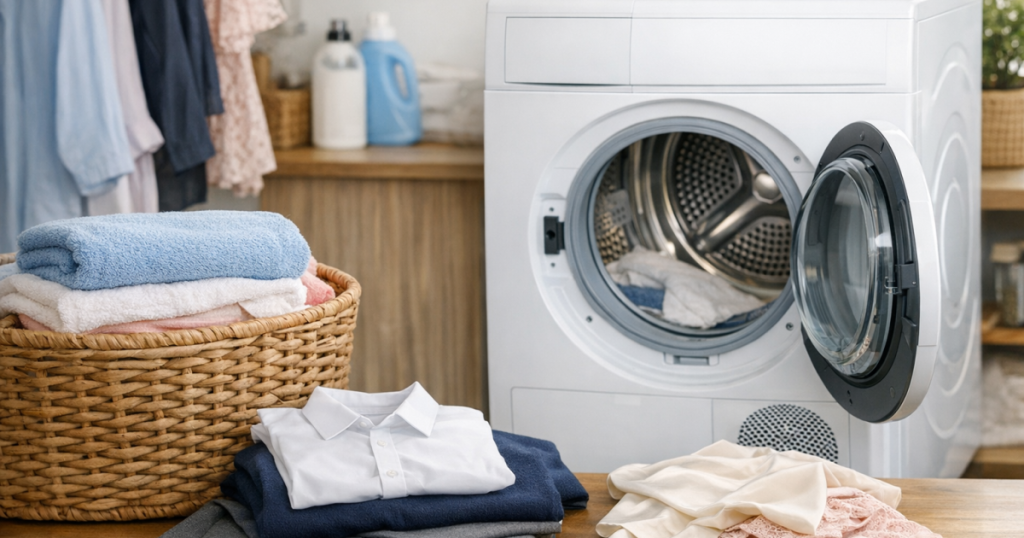
A good tumble dryer should take pressure off the laundry pile without making clothes feel baked, rough or overhandled. This Bosch Series 4 Heat Pump Tumble Dryer review focuses on the decision that matters in a real UK home: whether it gives you a calmer, more fabric-conscious way to dry everyday loads, school uniform, towels and synthetics when outdoor drying is not realistic.
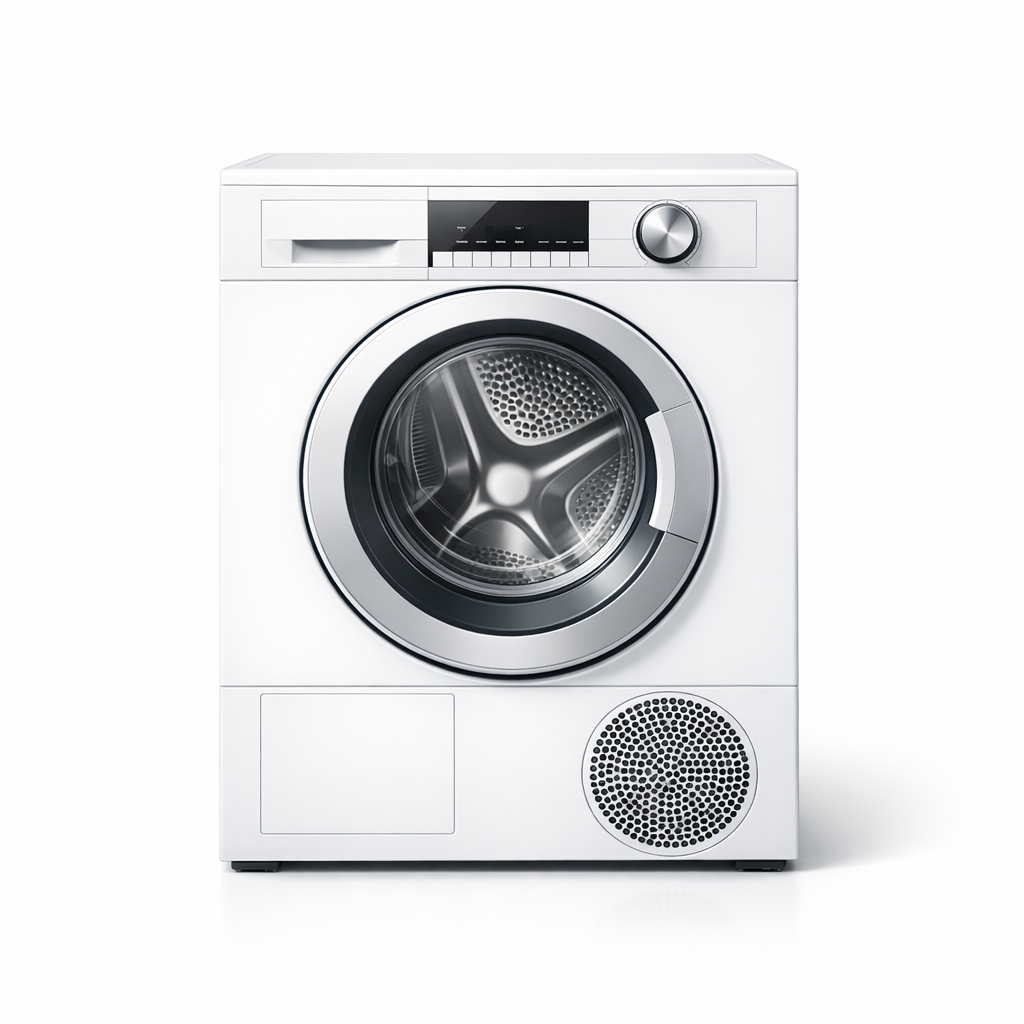
Bosch Series 4 Heat Pump Tumble Dryer
Trusted resour
Stacking the dryer above a washing machine, changing electrical arrangements, or connecting a permanent drain hose should be handled by a qualified appliance installer or electrician as appropriate, in line with the manufacturer’s instructions and UK electrical safety requirements.
Quick verdict: the Bosch Series 4 Heat Pump Tumble Dryer is a sensible choice for households that want lower-temperature drying and a more efficient alternative to older vented or standard condenser dryers. It is not the fastest-feeling option, and buyers need to check the exact model code carefully, but its fabric-friendly drying style is the main reason to shortlist it. Before buying, compare the full retailer listing against your space, load size and laundry habits rather than relying on the Series 4 name alone.
Product overview
The Bosch Series 4 Heat Pump Tumble Dryer is a freestanding clothes dryer from Bosch’s mid-range appliance line. In practical terms, it sits in the part of the market aimed at households that want a proper heat pump dryer without stepping into Bosch’s highest-tier models.
Heat pump tumble dryers work differently from older vented dryers. Instead of pushing hot damp air outside through a vent, they recycle heat within the appliance and condense moisture into a container or drainage route, depending on the exact model setup. The big everyday difference is that heat pump drying is generally gentler and more energy-conscious, but cycles can feel longer than traditional high-heat drying.
That trade-off suits many UK homes, particularly flats, terraces and family houses where line drying is seasonal and radiators end up carrying too much laundry in winter. If you regularly dry washing on airers as well as using a dryer, it is still worth getting the room conditions right; the guide to ventilating a room when drying laundry indoors is a useful companion for managing moisture and avoiding musty fabrics.
The main caution is that “Series 4” is not a single universal specification. Bosch sells different Series 4 heat pump models through UK retailers, and capacity, programmes, door layout, dimensions, drainage options and energy label details can vary. Treat the product name as the starting point, then confirm the exact model number before ordering.
Key specs
- Brand: Bosch.
- Product name: Bosch Series 4 Heat Pump Tumble Dryer.
- Product type: freestanding heat pump tumble dryer.
- Drying approach: heat pump drying, designed to reuse heat rather than venting hot air outside.
- Capacity: varies by exact Series 4 model; check the retailer listing and Bosch model code.
- Energy rating: verify on the current UK energy label for the specific model being sold.
- Programmes: check the product page for cotton, synthetic, delicate, timed and any sensor-drying options listed for the exact model.
- Water management: check whether the model uses a water container only, offers a drain hose option, or includes a hose in the box.
- Dimensions and placement: confirm height, width, depth, clearance and door swing before buying, especially for cupboards, utility rooms and stacked laundry setups.
- Maintenance: lint filters, condenser or heat exchanger areas and water containers should be cleaned exactly as described in the manual for the specific model.
Pros and cons
Pros
- Heat pump drying is generally gentler on fabrics than older high-heat drying, which helps with everyday cottons, synthetic blends and uniform pieces.
- Good fit for UK households that cannot rely on outdoor drying for much of the year.
- Does not require an external wall vent, making placement more flexible than a vented dryer.
- Bosch’s Series 4 positioning keeps it more practical and less premium-heavy than higher-end ranges.
- Useful for reducing the amount of damp laundry sitting around the home during colder months.
Cons
- Heat pump cycles can take longer than people expect if they are moving from an older vented dryer.
- The Series 4 name covers more than one model, so you must verify the exact specification before purchase.
- Lint and filter care is not optional; neglected filters reduce performance and can leave laundry feeling less fresh.
- Bulky items may need careful sorting and load management to dry evenly.
- Not every delicate garment belongs in a tumble dryer, even on a gentle programme.
Performance in real use
The strongest reason to choose this dryer is fabric temperament. A heat pump machine is less about blasting through a load quickly and more about controlled, lower-temperature drying. For T-shirts, pyjamas, school shirts, leggings, sports layers and everyday underwear, that calmer approach is helpful. It reduces the “overcooked” feel some fabrics get from aggressive drying, although it cannot undo poor washing, overloaded drums or incorrect programme choices.
For family laundry, the Bosch Series 4 Heat Pump Tumble Dryer makes most sense as a regular-use appliance rather than an occasional emergency dryer. It is well matched to households that run mixed loads several times a week and want clothes ready for folding without covering the house in damp airers. The key is to sort loads sensibly: towels with towels, lighter synthetics separately, and heavier cottons given enough room to tumble.
Dryness accuracy depends on the exact programme and model, so it is worth learning the settings during the first few weeks. If laundry comes out slightly cool, do not assume it is wet straight away; heat pump-dried clothes can feel cooler than loads from a hotter dryer. Shake items out, wait a minute, then judge by touch. If seams, waistbands or pockets remain damp, reduce the load size or choose a more suitable programme next time.
Delicates need a cautious approach. Heat pump drying is gentler, but it is not a free pass for wool, silk, embellished garments, lace, tulle or anything with a strict “do not tumble dry” care label. For structured delicates and netted fabrics, air drying is often safer; the advice on how to wash tulle skirts without tearing the netting shows why some fabrics need careful handling beyond the main wash.
Maintenance is where many tumble dryer experiences improve or fall apart. Clean the lint filter as directed, empty the water container where applicable, and check any lower filter or heat exchanger area according to the manual. This is not just about machine efficiency. Blocked lint paths can leave laundry less fresh, extend drying times and make the appliance work harder. A quick filter routine after each load is far easier than trying to rescue performance later.
Value is also tied to your laundry rhythm. If you dry one small emergency load every fortnight, a heat pump dryer may feel like a large investment. If you are constantly rotating uniforms, bedding, work clothes and towels through a damp British week, the convenience and gentler drying style become much easier to justify. For best results, compare current retailer offers, delivery terms and model codes before committing.
Who it’s best for / who should skip it
Best for: busy UK households that dry laundry indoors often, want to avoid an external vent, and care about reducing harsh heat exposure on everyday clothes. It is particularly well suited to families managing school uniform, casualwear, gym kit, towels and bedding across the week.
Also a good fit for: flats and homes where outdoor drying is unreliable, provided there is suitable space, ventilation around the appliance and access for emptying the water container or managing drainage.
Skip it if: you want the shortest possible drying cycles above all else, rarely use a tumble dryer, or do not want to keep on top of filter maintenance. It may also be the wrong choice if your laundry area has awkward clearance, a tight cupboard door, or no practical way to load and unload comfortably.
Be careful with: wool jumpers, embellished clothing, coated waterproofs, bras with delicate components, formalwear and specialist sports fabrics. Always follow the garment label first, then the dryer manual.
Alternatives
If the Bosch Series 4 Heat Pump Tumble Dryer feels right in principle but not quite perfect, the most relevant alternative is a higher-spec Bosch heat pump model from the Series 6 or Series 8 ranges. Those ranges may offer different programme selections, design details or maintenance arrangements, but you should verify the exact model rather than assuming an automatic upgrade in every area.
If budget is the main pressure, a standard condenser dryer from a recognised brand such as Beko, Hotpoint or Hoover may cost less upfront. The compromise is usually a less fabric-gentle, less energy-conscious drying style compared with heat pump drying. For homes that dry laundry frequently, that trade-off deserves careful thought rather than a quick price-led decision.
Helpful questions
Is the Bosch Series 4 Heat Pump Tumble Dryer good for clothes?
It is a good option for many everyday clothes because heat pump drying is generally lower-temperature than traditional tumble drying. Care labels still come first, especially for wool, silk, embellished items and specialist fabrics.
Will it dry as quickly as an old vented dryer?
Usually, no. Heat pump dryers tend to feel slower, but they use a gentler drying method. If speed is your top priority, check cycle information carefully before buying.
Does it need a vent hose through an outside wall?
No external vent is normally needed for a heat pump tumble dryer. You should still confirm the exact water container or drain hose arrangement for the model you are considering.
Can it go in a cupboard?
Only if the cupboard meets the clearance and ventilation requirements in the Bosch manual. You also need enough room to open the door, remove filters and access the water container.
What should I check before ordering?
Check the exact Bosch model code, capacity, dimensions, energy label, programmes, door hinge position, delivery access, stacking compatibility and drainage details on the retailer listing.
Verdict + score
The Bosch Series 4 Heat Pump Tumble Dryer is a strong, practical shortlist choice for UK households that want dependable tumble drying with a more fabric-conscious feel than older high-heat machines. Its biggest strengths are the heat pump drying style, flexible no-vent placement and suitability for regular family laundry. Its main drawbacks are longer-feeling cycles, model-to-model variation and the need for consistent filter care. Buy it if you value gentler everyday drying and are prepared to check the exact specification carefully before purchase. Score: 8.4/10.
Bosch Series 4 Heat Pump Tumble Dryer
Trusted resour
You might also like: How to Remove Mud from Football Kits Without Setting Stains.