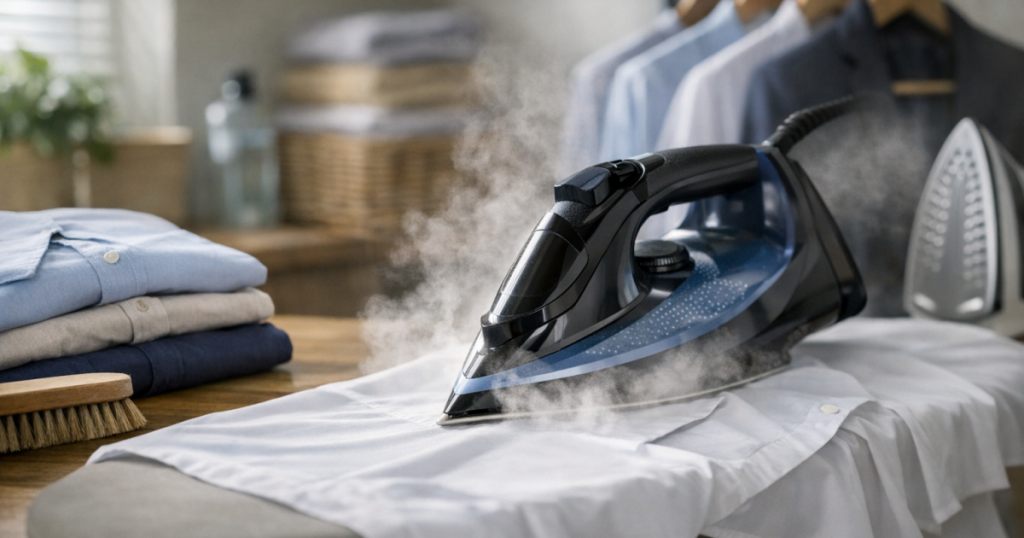
A good steam iron earns its keep when the laundry basket contains school shirts, work polos, cotton bedding and the odd delicate piece that needs a careful finish. This Philips Azur Elite Steam Iron review looks at whether Philips’ higher-end domestic iron is a sensible buy for UK homes that iron regularly, rather than only touching up the occasional collar.
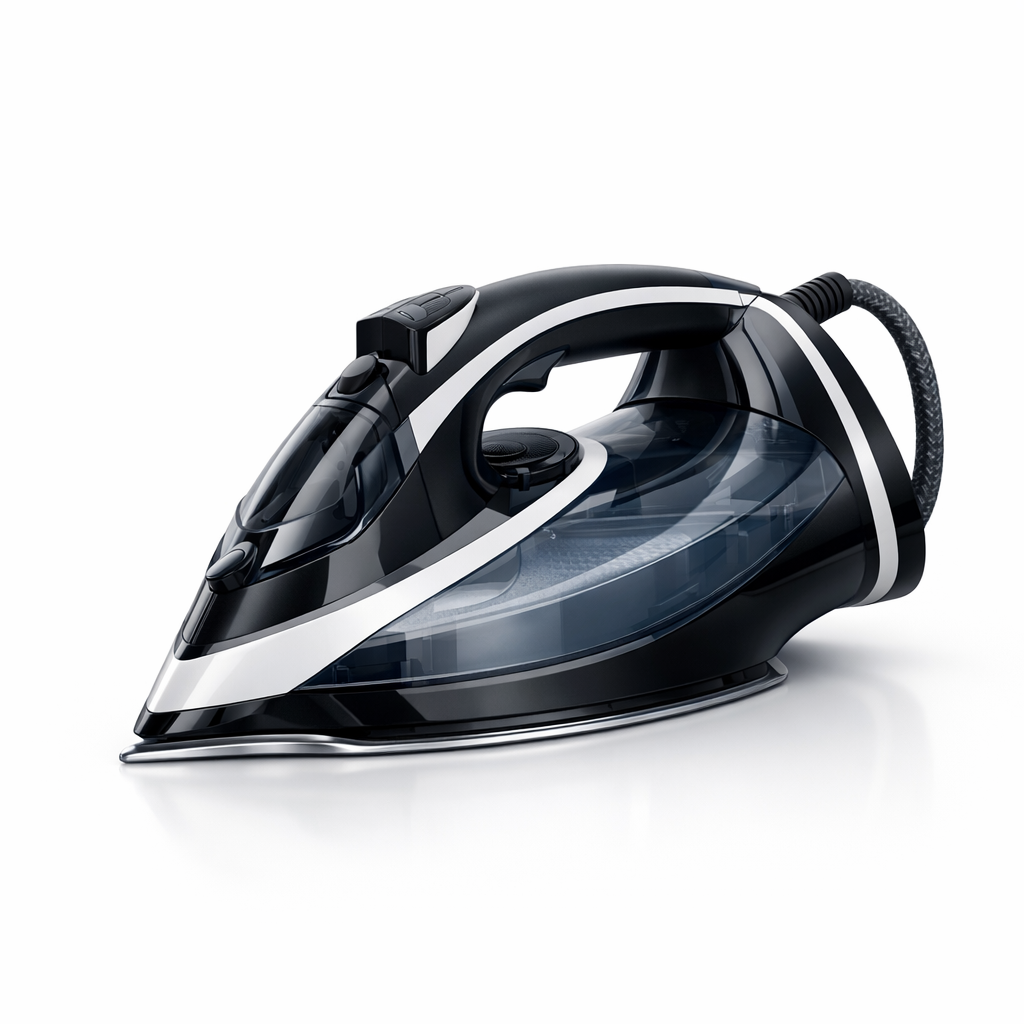
Philips Azur Elite Steam Iron
Tr ong fit for shirts, uniforms and mixed laundry weeks.
Quick verdict: the Philips Azur Elite Steam Iron is best viewed as a capable everyday iron for households that want smoother results with less fabric-by-fabric fiddling. It is not the most minimalist option, and buyers should check the exact sub-model details before ordering, but it is a strong fit for shirts, uniforms and mixed laundry weeks.
If it is already on your shortlist, compare the exact model code, retailer listing and returns terms before buying, because Philips has sold Azur Elite variants with slightly different wording around steam, soleplate and temperature features.
Product overview
The Philips Azur Elite Steam Iron is a mains-powered handheld steam iron from Philips’ Azur line. It is designed for conventional ironing board use, not as a travel steamer or a laundry press. That distinction matters: its appeal is in working steadily through a pile of garments, with steam, heat and a broad soleplate doing the work, rather than offering a quick hanging refresh before leaving the house.
For a UK household, the strongest use case is the weekly mixed wash: cotton shirts, school uniform pieces, pillowcases, chinos, workwear tops and dresses that can be pressed flat. It suits people who still prefer a crisp finish over the softer look you get from steaming alone. If you iron several items at once, a more substantial iron can feel less frustrating than a basic lightweight model that needs repeated passes.
It also rewards careful fabric handling. Before using any higher-performance iron on new clothing, check the care label and heat guidance. If the symbols are confusing, our guide to checking the laundry symbols first is a useful habit to build into your laundry routine.
Key specs
- Brand: Philips.
- Product name: Philips Azur Elite Steam Iron.
- Product type: domestic steam iron for use on an ironing board.
- Power source: mains electricity; check the supplied plug, cord arrangement and retailer listing for the exact UK version.
- Steam function: designed for steam ironing; verify the stated continuous steam and steam boost figures for the exact model code before comparing it with other irons.
- Temperature control: Azur Elite listings commonly highlight automatic temperature management, but buyers should confirm the wording and fabric guidance on the current product page and manual.
- Soleplate: Philips uses named soleplate finishes across its iron ranges; check the exact finish on the version you are considering.
- Water and limescale care: check the manual for filling guidance, descaling routine and local water recommendations, particularly if you live in a hard-water area.
- Best paired with: a stable full-size ironing board, clean water, a pressing cloth for vulnerable fabrics and enough space to let garments cool before wearing or folding.
Pros and cons
Pros
- Good fit for regular ironing: it makes most sense for homes that iron shirts, uniforms or cotton garments every week.
- More fabric-friendly than guesswork: where the model includes Philips’ automatic temperature approach, it can reduce the temptation to over-adjust heat between common fabrics, provided labels still allow ironing.
- Useful for structured garments: collars, cuffs, button plackets and trouser creases are exactly the kind of areas where a proper iron has an advantage over a garment steamer.
- Recognisable brand support: Philips is a well-known name in UK garment care, which can make manuals, spare information and retailer support easier to navigate than with obscure own-brand irons.
- Suited to family laundry rhythms: it is the kind of appliance that fits a Sunday evening uniform and workwear reset rather than occasional emergency use.
Cons
- Overkill for light touch-ups: if you only smooth one shirt now and then, a compact steamer or simpler iron may be easier to justify.
- Exact features need checking: Azur Elite variants and retailer listings can differ, so do not assume every quoted feature applies to every model code.
- Still needs good technique: steam and soleplate quality help, but they do not replace correct garment positioning, a clean ironing board cover and sensible fabric order.
- Not ideal for all delicate textures: mohair, heavily textured knits, embellishments and heat-sensitive synthetics may need steaming from a distance, a pressing cloth or no ironing at all.
- Hard water maintenance matters: performance can suffer if limescale care is ignored, so this is not a completely hands-off appliance.
Performance in real use
The Philips Azur Elite Steam Iron feels most relevant when you need repeatable results across a real laundry pile rather than a single showpiece garment. On cotton shirts and school shirts, the practical advantage is control: you can open seams, flatten collars, press cuffs and work around buttons with more precision than a steamer allows. For households where Monday morning depends on clean uniform and presentable workwear, that matters.
For mixed fabrics, the important question is not simply whether the iron is powerful. It is whether it encourages better decisions. A good iron should make it easy to slow down on delicate blends, use steam where appropriate and stop before shine, stretching or seam distortion appears. With the Azur Elite, the appeal is that it is positioned as a more advanced steam iron, but the garment label still has the final say. Wool blends, viscose, pleated fabrics and coated materials all need extra thought.
On darker work clothing, use a pressing cloth and iron inside out where possible to reduce shine. Black polo shirts, school trousers and dark cotton chinos can develop glossy patches if they are pressed too aggressively. Steam can help relax creases, but pressure and heat still need to be managed. If a garment is printed, embroidered or has a heat-applied logo, avoid pressing directly over the decoration unless the care label specifically allows it.
The iron is also best judged as part of a setup. A wobbly board, tired cover or cramped ironing space will undermine any premium iron. Pair it with a stable board and leave garments hanging for a short while after pressing so seams cool and set. This is particularly useful for cotton shirts, pleated schoolwear and garments that crease again as soon as they are folded warm.
Maintenance is the less glamorous part of ownership, but it affects long-term usefulness. Emptying the water tank after use, keeping the soleplate clean and following Philips’ descaling instructions are sensible habits. In hard-water regions, limescale care is not optional if you want consistent steam and fewer marks on clothing. Avoid using fragranced ironing water unless the manual explicitly permits it, as additives can leave residue or affect steam channels.
Who it’s best for / who should skip it
Buy it if you iron regularly, care about a crisp finish and want one main household iron for shirts, uniforms, bedding edges and everyday cottons. It is a particularly good match for homes where garment care is preventative: pressing clothes properly so they last, hang and present better, rather than blasting creases at the last minute.
It also suits anyone who finds very basic irons slow or inconsistent. If you often need several passes to smooth a shirt front, or you keep re-wetting stubborn creases, stepping up to a better steam iron can make the task feel more controlled.
Skip it if most of your wardrobe is casual jersey, technical sportswear, delicate knitwear or garments that should not be pressed. It is also less compelling for frequent travellers, renters with almost no storage or anyone who prefers vertical steaming to board ironing. A higher-end iron only earns its space if you actually use the ironing board.
Alternatives
If you want a simpler conventional iron, the Tefal Ultimate Pure Steam Iron is a recognisable option to compare on current UK retailer listings. Look closely at the model code, limescale system, steam figures and weight rather than choosing by brand alone.
If portability matters more than a crisp pressed finish, a garment steamer may be a better fit. Steamers are useful for travel creases, hanging dresses and quick refreshes, but they rarely replace an iron for collars, cuffs and sharp seams. For that use case, our advice on picking a travel steamer for work trips will be more relevant than buying a full-size iron.
FAQ
Can the Philips Azur Elite Steam Iron be used on school uniforms?
Yes, where the garment care label allows ironing. Use a pressing cloth on dark trousers, pleats, badges and synthetic blends, and avoid pressing directly over heat-applied logos.
Is it better than a garment steamer?
For crisp shirts, cuffs, collars and trouser creases, a steam iron is usually better. For hanging garments, travel creases and quick refreshes, a steamer can be more convenient.
Do I need distilled water?
Follow the Philips manual for the exact model. Water guidance can vary by appliance and region, and hard-water areas may need more careful descaling habits.
Will it stop shine on black clothes?
No iron can guarantee that. To reduce shine, iron dark garments inside out, use a clean pressing cloth and avoid excessive pressure on seams and raised areas.
What should I check before buying?
Check the exact model code, UK plug, retailer return terms, steam specifications, descaling instructions, soleplate description and whether the temperature features match the listing you are reading.
Verdict + score
The Philips Azur Elite Steam Iron is a strong choice for households that still value proper ironing: crisp shirts, neat school uniform, smoother cottons and a more polished finish than steaming alone can usually provide. Its main limitation is that the exact model details need careful checking, and it is more appliance than occasional users really need. For regular garment care in a UK home, it offers a convincing balance of capability, fabric awareness and everyday usefulness: 8.4/10.
Philips Azur Elite Steam Iron
Tr ong fit for shirts, uniforms and mixed laundry weeks.
You might also like: How to Iron Pleated School Skirts Without Flattening the Pleats.