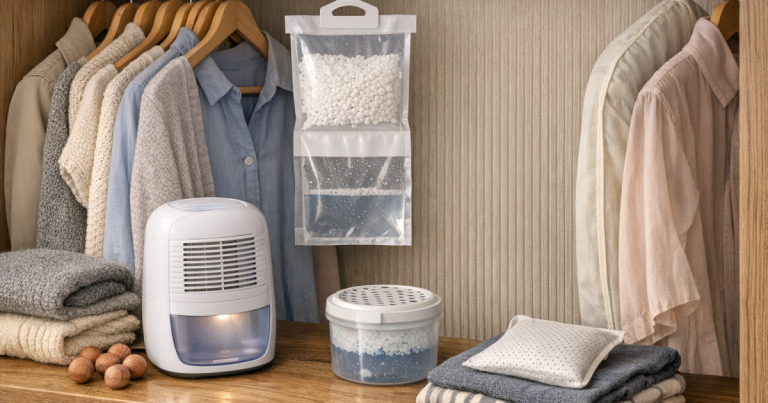

Moth prevention works best when scent, cleanliness and storage conditions work together. The most useful cedar blocks and moth repellents for wardrobes do not simply make clothes smell fresh; they help make drawers less inviting, highlight early moth activity, and protect wool, cashmere, silk blends and stored coats before damage appears.
The short version for UK wardrobes
For most home wardrobes, cedar is a good low-risk starting point, but it should not be treated as a complete moth treatment. Use cedar pieces to freshen and mildly discourage moths, pheromone traps to monitor activity, and labelled moth-control products only when you have signs of a problem. The real foundation is clean, dry clothing stored with enough air movement and regular checks.
- Best everyday option: untreated cedar blocks, rings or balls placed where air can circulate.
- Best for checking whether moths are present: clothes moth pheromone traps placed away from draughts.
- Best for suspected activity: a labelled moth killer or treatment product used exactly as directed.
- Best for precious wool and cashmere: clean garments, breathable bags, cedar nearby and monthly inspection.
- What not to rely on alone: fragrance sachets, cedar oil or traps if larvae are already feeding inside seams, cuffs or folds.
Start by removing what moths actually feed on
Clothes moth larvae are attracted to protein-based fibres such as wool, cashmere, silk, alpaca and mohair, especially when there are traces of sweat, food, skin oils or body odour. A cedar block cannot undo that attraction if a jumper has been put away after several wears.
Before storing anything for more than a few weeks, wash or dry-clean it according to the care label. Pay particular attention to underarms, collars, cuffs, waistbands and coat linings, where body oils collect. If a garment is labelled dry-clean-only but does not need a full clean after every wear, use careful airing and fabric-safe refreshing between uses; the method in keeping dry-clean-only clothes fresh between wears is a useful habit before longer storage.
Do not store clothes that are even slightly damp. In many UK homes, wardrobes sit against cool outside walls or in rooms where laundry is dried indoors, so moisture control matters as much as the repellent you choose. Moths prefer undisturbed, dark, still areas; dampness also encourages musty odours that make fabric storage harder to manage.
What cedar does well, and where it falls short
Cedar is popular because it is simple, reusable and usually gentler to live with than strong chemical odours. The scent comes from natural aromatic compounds in the wood. Fresh cedar can help make a wardrobe less attractive to moths, but its effect fades as the surface dries and the scent weakens.
For drawers, coat cupboards and jumper shelves, cedar blocks, rings or balls are usually more practical than loose shavings. A set such as MothPrevention Cedarwood Rings is the type of format that can hang over rails or sit near folded knitwear without taking up much room. Whatever brand you choose, check that the cedar is unfinished and avoid placing freshly sanded or oiled wood directly on pale silk, satin, leather trims or delicate linings.
Cedar will not reliably kill eggs or larvae hidden in a seam, inside a folded jumper, under a wardrobe floor strip or in carpet edges. If you have visible holes, webbing, gritty debris, shed larval cases or repeated adult moth sightings, treat the situation as a cleaning and monitoring job, not just a scent problem.
Main repellent options and when to use them
Cedar blocks, balls and hanging rings
Use cedar for prevention in clean wardrobes. Place pieces near wool coats, knitwear drawers and storage boxes, leaving space around them so scent can circulate. Refresh cedar lightly by rubbing the surface with fine sandpaper when the smell has faded. Do this away from clothing, then wipe off dust before putting the cedar back.
Lavender and herbal sachets
Lavender sachets can make drawers smell pleasant, and some people like using them alongside cedar. Treat them as a fragrance and housekeeping aid rather than a robust moth solution. Replace or refresh them when the scent fades, and keep strong essential oils away from fabrics that may stain.
Pheromone traps
Traps are most useful for detection. Products such as Zero In Clothes Moth Traps are designed to attract adult male clothes moths, helping you see whether activity is present and whether it is reducing. They do not remove larvae already feeding on clothes, so they work best alongside cleaning, vacuuming and better storage.
Labelled moth killer cassettes, sachets and sprays
When there are repeated sightings or fresh damage, a labelled moth treatment may be appropriate in a closed wardrobe or storage area. Acana Moth Killer and Freshener Sachets and Rentokil Clothes Moth Killer Cassette are examples of products UK shoppers may compare, but always read the current label before use. Check where the product can be placed, whether it is suitable near children or pets, and whether it should touch clothing. Do not spray delicate fabrics unless the product label clearly allows it.
Garment bags and sealed storage
Physical protection matters. Breathable cotton garment bags are useful for wool coats, suits and special-occasion pieces because they reduce dust and disturbance while allowing some air movement. Airtight plastic boxes can work for clean, fully dry garments, but they are risky if any moisture is trapped inside.
How to set up a moth-resistant wardrobe
Emptying the wardrobe first makes the rest of the job far more effective. Moth larvae can hide in corners, screw holes, carpet edges, old drawer liners and under loose dust. A careful reset once or twice a year is better than constantly adding new scents to an overcrowded rail.
- Take everything out: sort wool, cashmere, silk and blends into a higher-risk pile for closer inspection.
- Vacuum the inside: use the crevice tool along corners, shelf edges, drawer runners and the floor beneath hanging clothes.
- Wipe hard surfaces: use a lightly damp cloth, then let the wardrobe dry fully before replacing garments.
- Clean before storing: launder or dry-clean garments that have been worn, even if they look clean.
- Space the rail: avoid packing clothes so tightly that air cannot move between sleeves and hems.
- Place cedar thoughtfully: put pieces near natural fibres, not buried under piles where scent cannot circulate.
- Add monitoring: use pheromone traps if you have had moths before or store expensive knitwear.
- Inspect monthly: shake out knitwear, check under collars and look for new dust, webbing or tiny holes.
Wardrobe layout, room humidity and fabric choice all affect risk. If you are reorganising a built-in cupboard, loft-room rail or spare-room wardrobe, the principles in creating a fabric-safe wardrobe environment will help you reduce damage from moisture, crushing, dust and pests at the same time.
Which option suits which storage problem?
The best choice depends on whether you are preventing moths, checking for activity, or responding to damage. Use the lowest-intervention option that fits the problem, then step up only when there is evidence you need to.
- Clean everyday wardrobe with no moth history: cedar blocks or rings, breathable spacing and regular vacuuming are usually enough.
- Jumper drawer with wool and cashmere: clean every item before folding, add cedar near the drawer edges, and inspect the bottom layer often.
- Wardrobe with occasional adult moth sightings: add pheromone traps so you can tell whether moths are passing through or breeding nearby.
- Fresh holes in knitwear: isolate affected garments, clean them according to the care label, vacuum the storage area thoroughly, and use a labelled treatment if activity continues.
- Vintage, silk or beaded pieces: avoid direct contact with oils, sprays or rough wood; use clean breathable covers and place cedar outside the garment bag.
- Under-stairs or spare-room storage: focus on dryness and air flow before fragrance. Cool, still cupboards can make even clean fabrics smell stale.
If laundry is dried indoors near clothing storage, moisture can build up quickly, particularly in winter or in rooms with poor air movement. The advice on ventilating a room when drying laundry indoors is worth following if wardrobes or drawers often feel cool, musty or slightly damp.
Checks before using any moth product
Repellents are only fabric-safe when they are used in the right place. A product that is fine on a wardrobe shelf may be unsuitable against a silk lining or inside a child’s dressing-up box. Read the label every time, even if you have used a similar product before.
- Check the target pest: choose products labelled for clothes moths, not general flying insects.
- Check fabric contact: keep cedar oils, sprays and scented sachets away from pale, delicate or absorbent materials unless the label permits direct contact.
- Check the location: some products are intended for enclosed wardrobes, not open rails or bedrooms with constant airflow.
- Check household suitability: follow label directions around children, pets and food storage areas.
- Check replacement timings: traps, sachets and cassettes lose effectiveness over time, so note when you placed them.
- Check odour tolerance: strong scents can cling to coats and formalwear, so start modestly rather than filling every shelf.
Old-fashioned loose mothballs are rarely the most pleasant or practical choice for domestic wardrobes. They can smell harsh and may be unsuitable around people, pets or delicate garments unless they are a current, clearly labelled UK product used exactly as directed. For most homes, clean storage plus cedar, monitoring traps and selective labelled treatments is a more manageable approach.
Common mistakes that let moths come back
- Putting cedar into a dirty wardrobe: dust, hair and old textile fibres can still support larvae.
- Storing worn wool for months: faint sweat and food traces are enough to increase risk.
- Using traps as treatment: traps monitor adult moths; they do not clean garments or remove larvae.
- Forgetting carpets and skirting boards: moth activity may come from the room, not just the wardrobe.
- Overfilling drawers: packed stacks create dark, undisturbed folds where damage can go unnoticed.
- Sealing damp clothes: plastic storage is only safe when garments are completely dry.
Common questions
Do cedar blocks kill clothes moths?
Cedar is mainly a deterrent and freshener. It may make clean storage less attractive, but it should not be relied on to kill hidden eggs or larvae in damaged garments.
How many cedar pieces does a wardrobe need?
Use several small pieces spread through the space rather than one large block in a corner. The scent needs to reach drawers, shelves and the lower part of the hanging area.
Are moth traps worth using if I have not seen moths?
They can be useful in homes with wool coats, cashmere or previous moth problems. If traps stay clear, they provide reassurance; if they catch moths, you can act early.
Can I put cedar directly in a knitwear drawer?
Yes, but avoid direct contact with very pale, delicate or easily marked fabrics, especially if the cedar has been freshly sanded or treated with oil. Place it in a corner or small cotton pouch.
What should I do if I find new holes?
Separate the affected item, inspect nearby garments, clean everything suitable for cleaning, vacuum the storage area thoroughly, and use traps or a labelled treatment to check whether activity continues.
The big picture
The strongest wardrobe defence is not one product; it is a routine. Store only clean, fully dry clothing, give natural fibres enough space, use cedar as a gentle everyday deterrent, and add traps when you need evidence of moth activity. If damage appears, treat it as a storage reset rather than simply adding more scent. That approach protects fabrics better, keeps wardrobes fresher, and helps you spot problems before a favourite jumper or winter coat is permanently marked.