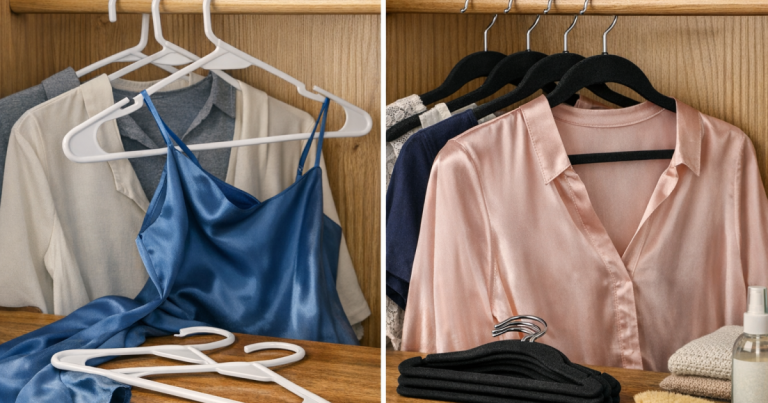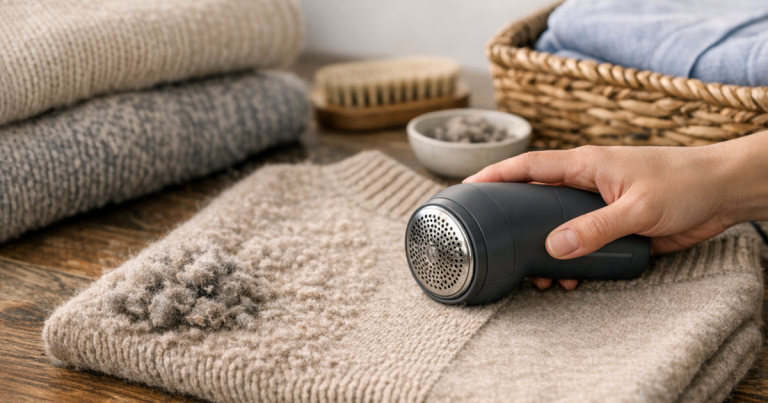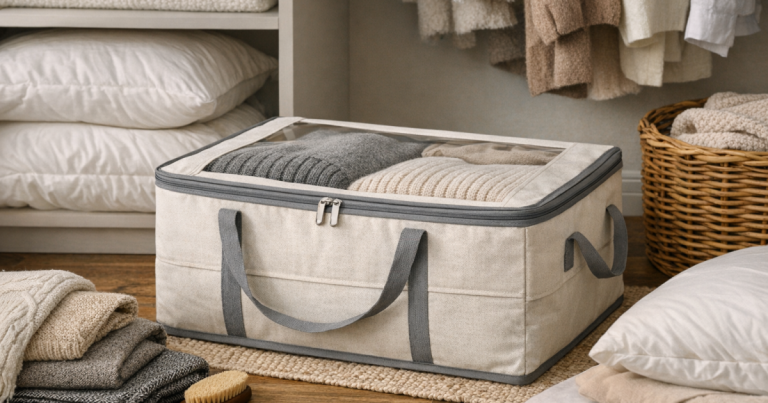
Bulky winter jumpers, spare duvets and out-of-season children’s clothes can swallow a wardrobe long before anything is actually worn out. This HIBAG Premium Vacuum Storage Bags review looks at whether these bags are a sensible space-saving option for UK homes where airing cupboards, under-bed drawers and spare-room wardrobes all have to work harder.
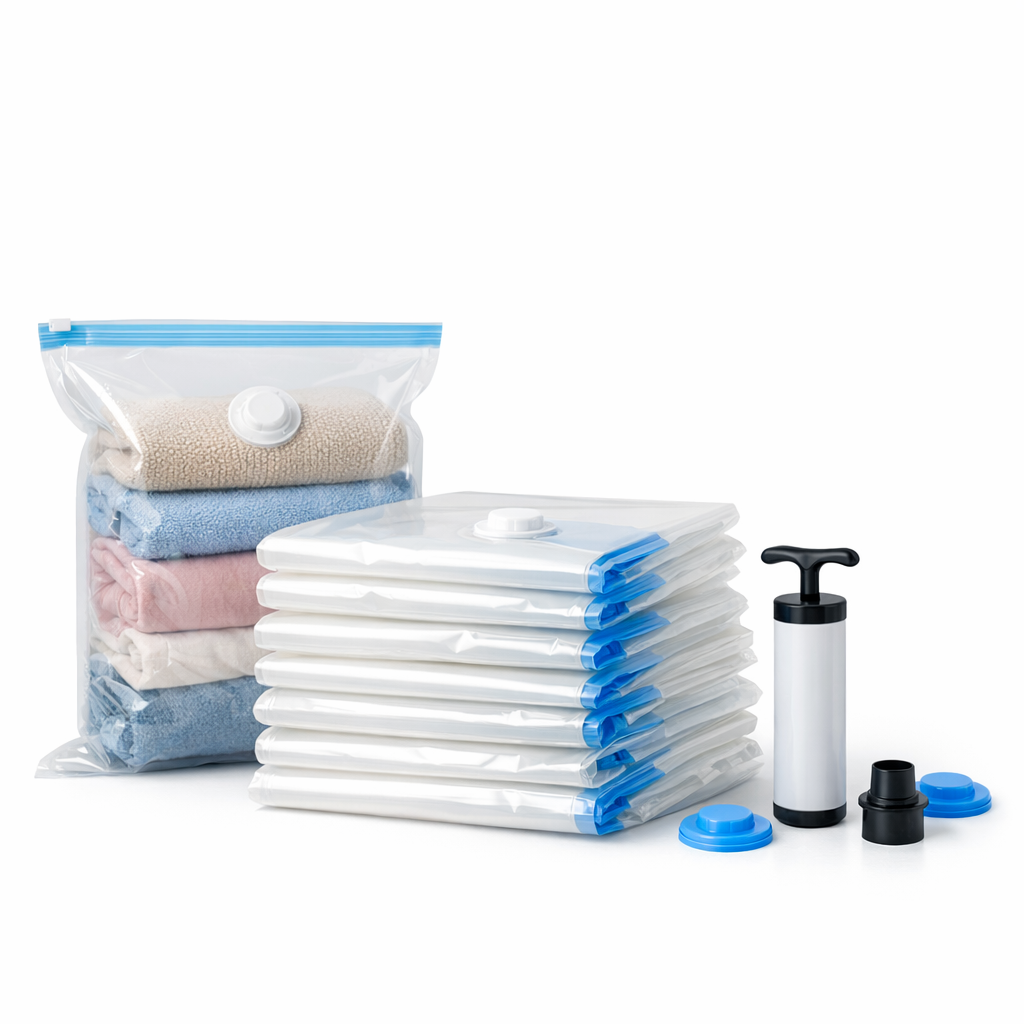
Premium Vacuum Storage Bags
Trus
What to know first
The quick verdict: HIBAG Premium Vacuum Storage Bags are a useful buy if your main problem is volume rather than clutter. They can make soft, compressible textiles easier to store, but they are not a substitute for proper garment care. The best results come from packing clean, fully dry items, leaving out anything structured or delicate, and checking the seal before tucking the bags away for months.
They are most convincing for seasonal storage: winter jumpers in spring, spare bedding before guests arrive, children’s clothes between age stages, or ski layers that spend most of the year taking up space. For everyday garments that you reach for weekly, vacuum bags can become more faff than help because every opening breaks the seal and means repacking.
As with any affiliate-led product review, the aim is not to push every reader towards a purchase. If you do choose to buy through product links, the site’s affiliate disclosure explains how that may support the work behind these care guides.
Product overview
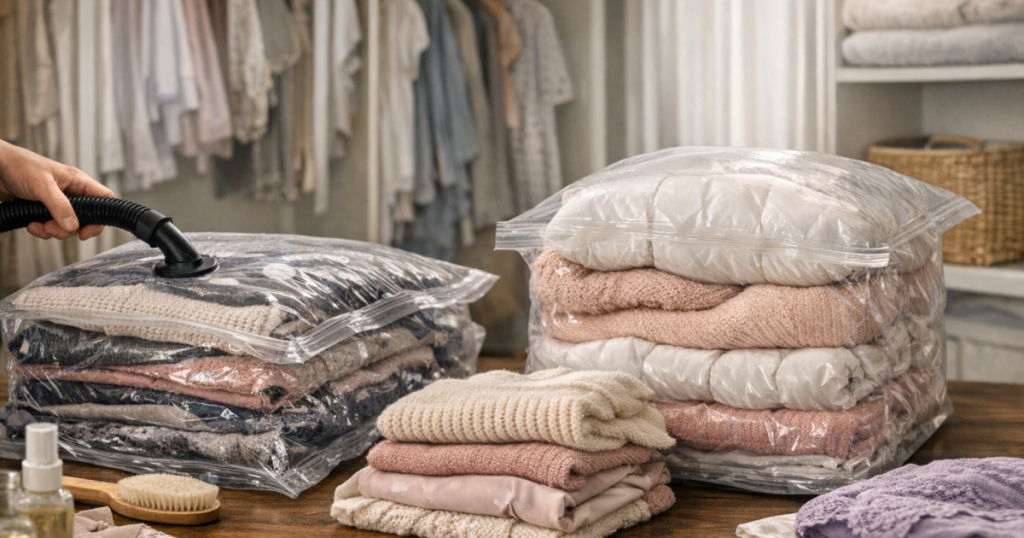
HIBAG Premium Vacuum Storage Bags are designed to reduce the space taken up by soft household textiles by removing air from the bag once it has been sealed. The idea is simple: pack suitable items inside, close the top seal carefully, remove air using the compatible method specified for the pack you buy, and store the flattened bag somewhere dry and protected.
For garment care, the important word is suitable. Vacuum bags are at their best with soft, resilient fabrics: cotton T-shirts, jersey loungewear, fleece layers, synthetic-filled jackets, spare towels and knitwear that is not especially fragile. They are less appropriate for tailored jackets, structured wool coats, leather, suede, heavily embellished pieces, beaded eveningwear or garments where permanent creasing would be difficult to reverse.
The product sits in the practical middle ground between cheap temporary storage and more permanent wardrobe systems. It is not glamorous, but it can be genuinely useful in flats, shared houses and family homes where storage is tight. Before ordering, check the exact pack configuration on the retailer’s page, because vacuum storage bag bundles can vary in quantity, size mix and included accessories.
Key specs
- Product type: reusable vacuum storage bags for clothes, bedding and other soft textiles.
- Brand and product name: HIBAG Premium Vacuum Storage Bags.
- Best use: seasonal storage, under-bed storage, spare bedding, travel overflow and space-saving wardrobe organisation.
- Fabric suitability: best for clean, dry, soft and compressible items; less suitable for structured, delicate, leather, suede or heavily decorated garments.
- Pack format: sold in different bundle options, so verify the exact number of bags and size mix before buying.
- Air removal method: check the listing for the compatible vacuum or pump arrangement supplied with the specific pack.
- Storage conditions: use in a dry, clean space away from heat, damp, sharp edges and heavy crushing.
- Care requirement: inspect the seal and valve area before long-term storage, and avoid overfilling.
Pros and cons
Pros
- Very helpful for reducing the bulk of soft seasonal clothing and spare bedding.
- Can make awkward storage areas, such as under-bed drawers or top shelves, much easier to use.
- Useful for keeping clean items grouped by season, child age, guest bedding set or clothing type.
- Reusable when handled carefully, which is better than relying on single-use plastic sacks for every wardrobe clear-out.
- Transparent storage makes it easier to see what is inside without opening every bag.
Cons
- Not ideal for delicate or structured garments that need air, shape or careful hanging.
- Overpacking can strain the seal and make the bag harder to close reliably.
- Items may come out creased, especially if left compressed for a long period.
- Any small leak reduces the space-saving benefit, so seals need checking before storage.
- They solve space problems, not wardrobe decision problems; unwanted clothes still need sorting properly.
Performance in real use
The biggest strength is straightforward space control. Soft items that usually puff up in drawers become flatter, stackable parcels. That makes a real difference in UK homes where spare bedrooms double as storage rooms and wardrobes often have to hold work clothes, uniforms, sports kit and out-of-season layers at the same time.
Ease of use depends heavily on packing discipline. The bag should close smoothly without forcing the seal around bulky corners. Folding garments into tidy rectangles works better than stuffing them in loosely, because it helps the bag compress more evenly and reduces sharp fabric peaks that can press against the plastic. For knitwear, fold rather than roll; rolled bundles can create hard ridges and deeper creases.
The seal is the part to treat with the most care. Run your fingers along the closure, check both ends, and look for trapped fabric, fluff or loose threads. A bag that looks closed at first can still let air creep back in if the seal is not aligned properly. After removing air, leave it somewhere visible for a short while before committing it to the loft cupboard or under-bed drawer. If it reinflates quickly, reseal and try again rather than assuming it will settle.
For fabric condition, the product is good when used selectively. Cotton basics, spare towels and synthetic-filled bedding generally tolerate compression well. Wool knitwear needs more caution: short-term seasonal storage can be fine when items are clean and fully dry, but heavy compression for too long can leave stubborn folds. Delicate fibres and expensive knitwear deserve a more breathable approach, particularly if moth prevention and fabric shape matter as much as saving space.
Moisture is the quiet risk. Vacuum bags can trap whatever goes in with the clothes, including residual laundry damp, perfume, body oils or stale wardrobe smells. Always launder or air garments first, let them dry completely, and avoid sealing anything that has just come off a clothes airer in a cool room. If you are refreshing a whole cupboard, pair vacuum bags with a broader storage routine, such as the steps in our wardrobe storage guide.
Durability is harder to judge from a single listing because real-world life depends on handling, storage surface and how often the bags are opened. Treat them as storage tools rather than tough moving sacks. Keep them away from exposed bed-frame edges, rough loft boards, metal zip pulls and anything that could puncture the plastic. If you need bags for frequent travel packing, check user feedback specifically on repeated opening and resealing rather than assuming all vacuum bags behave the same way.
Who it’s best for / who should skip it
HIBAG Premium Vacuum Storage Bags are best for households that already know what they want to keep but need it to take up less room. They suit seasonal wardrobes, children’s clothing hand-me-downs, spare bedding, university storage between terms, and homes where bulky but low-use items are crowding out everyday clothes.
They are also useful if you like clear categories. One bag can hold winter base layers, another can hold guest pillowcases and duvet covers, and another can hold holiday clothing. Labelling the outside with a sticky note or luggage tag can save a lot of rummaging later.
Skip them if you mostly store tailored clothing, occasionwear, delicate silk, leather, suede, structured coats or sentimental garments that you want to preserve in the best possible condition. Those pieces usually need breathable garment bags, padded hangers, acid-free tissue or a proper wardrobe setup rather than hard compression.
They are also not the right answer if your wardrobe is simply overloaded with clothes you no longer wear. Vacuum sealing can hide the problem for a while, but it will not make getting dressed easier. Sort first, then compress only what genuinely deserves long-term storage.
Alternatives
If you like the storage concept but are unsure about vacuum compression, consider breathable fabric storage bags or lidded under-bed boxes for garments that need gentler handling. These take up more space, but they are easier on structure and reduce the risk of deep creasing.
For moth-prone knitwear, a sealed plastic box with clean folded garments and appropriate moth deterrents may be a better balance than full vacuum compression. For coats, suits and occasionwear, use breathable garment covers and hang them with enough space around the shoulders. For bedding, vacuum bags remain one of the more practical space-saving choices because bedding is bulky, soft and usually less shape-sensitive than clothing.
The closest alternative is simply another set of vacuum storage bags from a recognisable home storage brand, but the same checks apply: verify the size mix, closure design, air removal method, user feedback on sealing, and whether the bundle matches the items you actually plan to store.
FAQ
Can I use HIBAG Premium Vacuum Storage Bags for wool jumpers?
Yes, for short-term seasonal storage if the jumpers are clean, fully dry and folded carefully. Avoid over-compressing expensive, delicate or loosely knitted wool, as folds may be harder to relax later.
Will clothes come out creased?
Some creasing is likely, particularly with cotton shirts, linen blends and tightly packed knitwear. Vacuum bags are best for storage efficiency, not for keeping garments ready to wear immediately.
Are vacuum bags suitable for damp UK homes?
Only if the storage area and the contents are dry. Do not seal clothes that feel cool, damp or recently aired in a cold room, because moisture and odour can be trapped inside the bag.
How full should each bag be?
Fill it enough to make use of the space, but not so much that the seal is stretched or fabric catches in the closure. A slightly underfilled bag usually seals more reliably than an overstuffed one.
Can I store clothes in them for a whole season?
For robust, soft garments, yes. For delicate or structured pieces, choose breathable storage instead and check stored clothing periodically rather than leaving it compressed and forgotten.
Verdict + score
HIBAG Premium Vacuum Storage Bags are a strong option for practical, space-conscious garment and bedding storage, provided you use them selectively. They are best for clean, dry, soft textiles that can tolerate compression, and they are particularly useful in homes where seasonal clothing and spare bedding compete for limited wardrobe space. The main drawbacks are predictable: creasing, the need for careful sealing, and the risk of using them on fabrics that would be better stored with more air and structure.
For everyday UK wardrobe management, they are worth buying if you have a clear storage plan and the current bundle suits the size of items you need to pack. They are not the right tool for every garment, but for bulky, compressible textiles they do the job well. Score: 8.2/10.
Premium Vacuum Storage Bags
Trus
You might also like: Philips Fabric Shaver GC026/30 review: a compact de-bobbler for tired knitwear.