Uncategorized
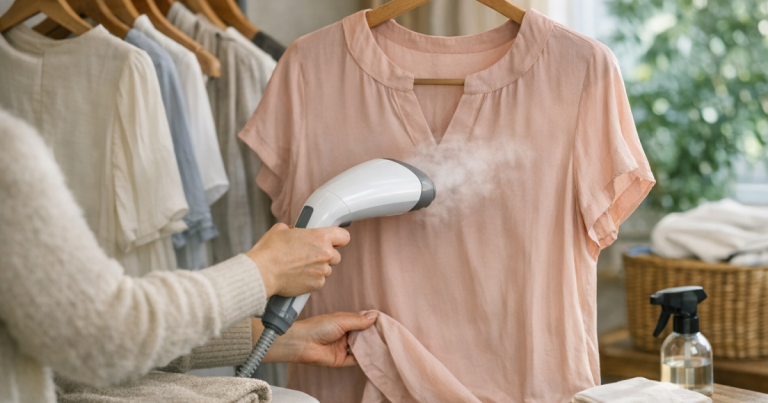
How to Steam Viscose Clothes Without Water Marks
Water marks on viscose often come from uneven moisture, minerals or pressure. A light, indirect approach helps keep the drape intact.
Read article →
Author archive
James Bennett is a fabric specialist with a keen eye for detail and a love for textiles. His extensive knowledge spans various materials, and he enjoys educating readers on the best care techniques to prolong the life of their garments. James believes that understanding fabric is key to effective garment maintenance.
Browse articles
Water marks on viscose often come from uneven moisture, minerals or pressure. A light, indirect approach helps keep the drape intact.
Read article →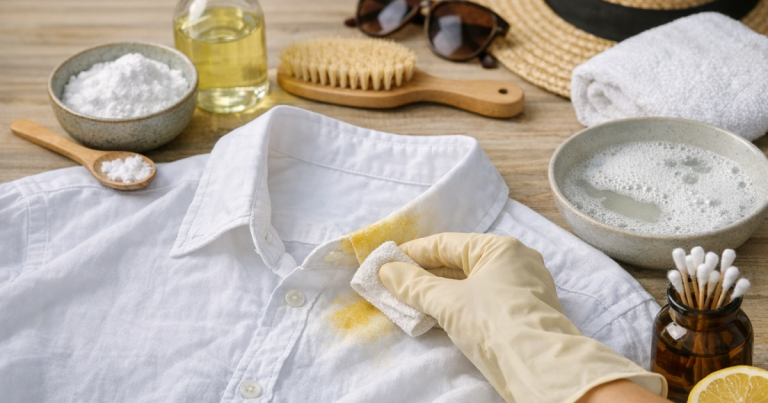
Yellow SPF marks on collars, cuffs and linen shirts need oil removal before whitening. Tackle them before the wash sets them in.
Read article →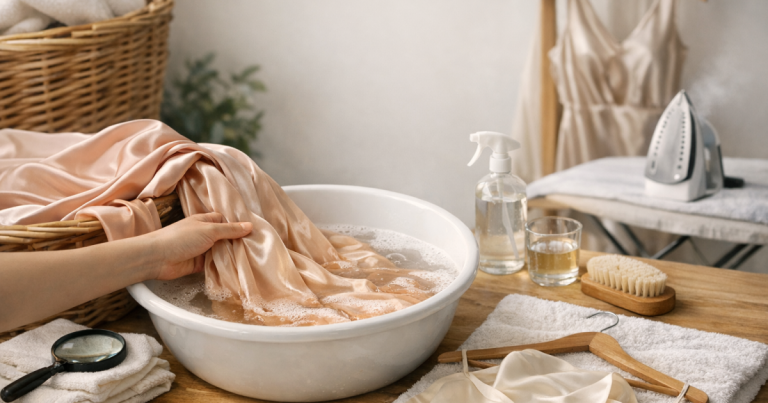
Satin loses its glow when it is rubbed, overheated or wrung. Use fibre checks, gentle washing and careful drying to keep dresses…
Read article →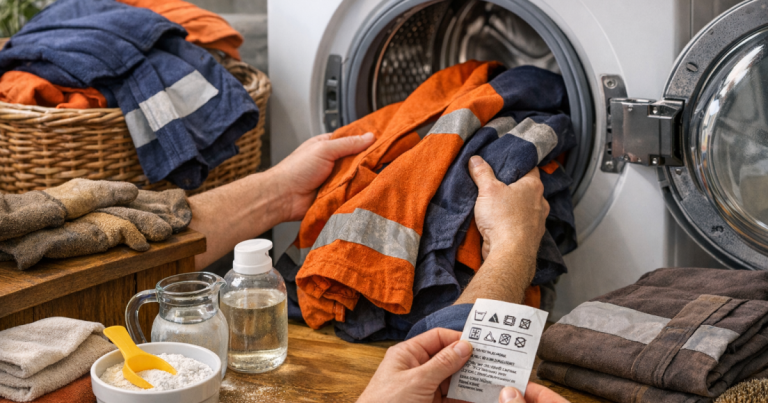
FR trousers, jackets and coveralls need careful washing: remove residues, avoid softeners and check labels before every load.
Read article →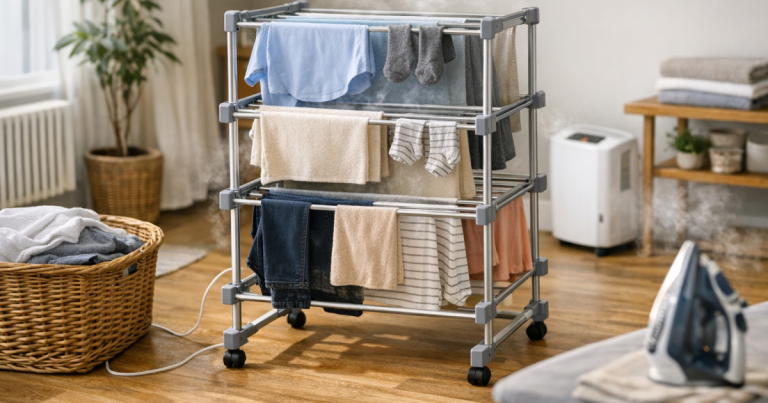
Indoor laundry feels less of a slog with gentle heated rails, but space, airflow and moisture control still matter.
Read article →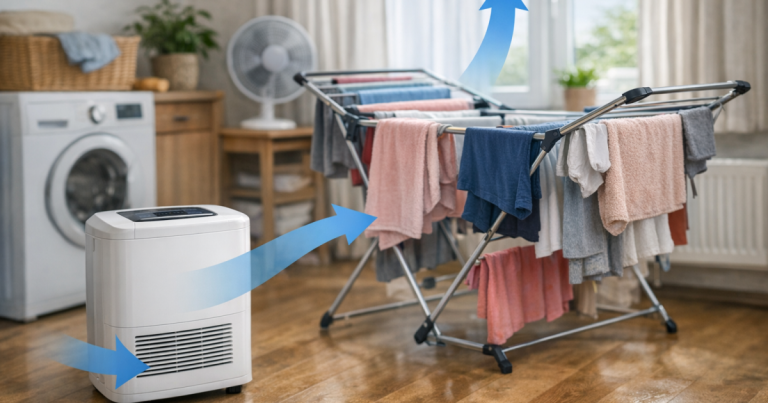
Damp laundry dries faster when the machine, airer and room layout work together instead of fighting poor airflow.
Read article →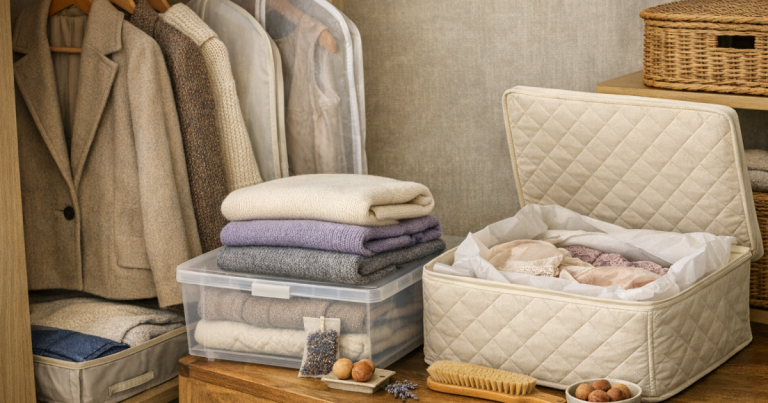
Keep seasonal garments fresh, shaped and moth-safe with storage habits that suit UK wardrobes, spare rooms and under-bed boxes.
Read article →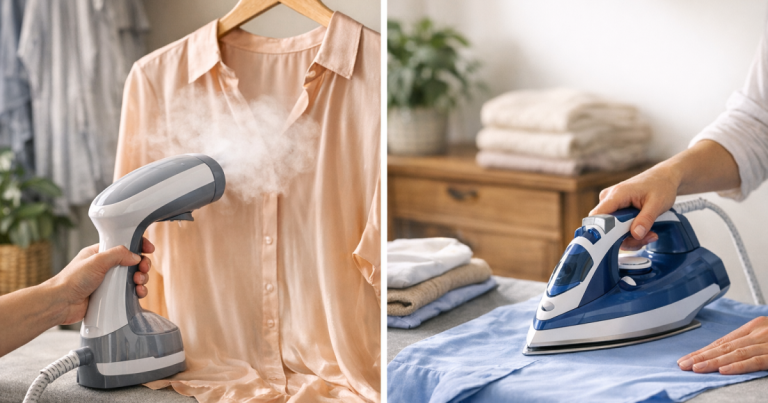
The right heat tool depends on fibre, structure and finish. Avoid shine, stretching and stubborn creases with garment-by-garment advice.
Read article →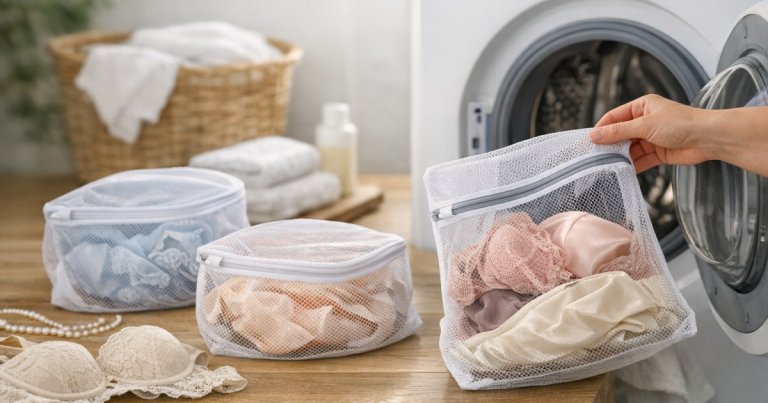
Delicate items still need sorting, cool washes and careful drying. A wash bag helps, but it cannot fix the wrong cycle.
Read article →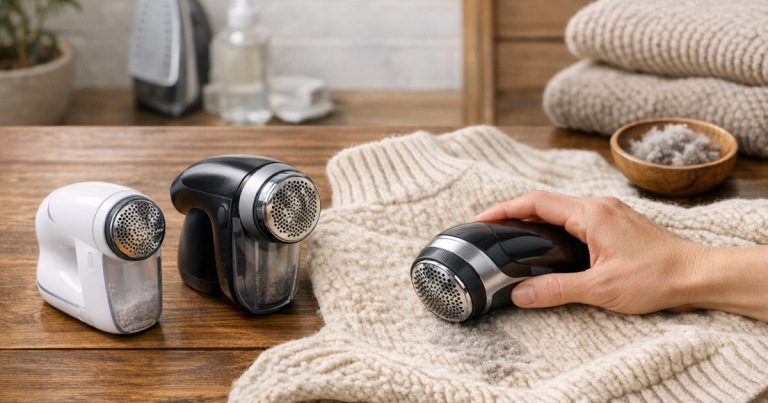
Bobbly jumpers do not always need replacing. The right depiller can refresh knitwear without thinning, snagging or flattening the fabric.
Read article →