A fragrance-free stain treatment can be very useful in a busy laundry basket, but it still has to earn its place. This Ecover Zero Stain Remover review looks at how the product fits into everyday UK laundry routines: school shirts, work tops, baby clothes, gym kit and the occasional food mark that has had a little too long to settle.
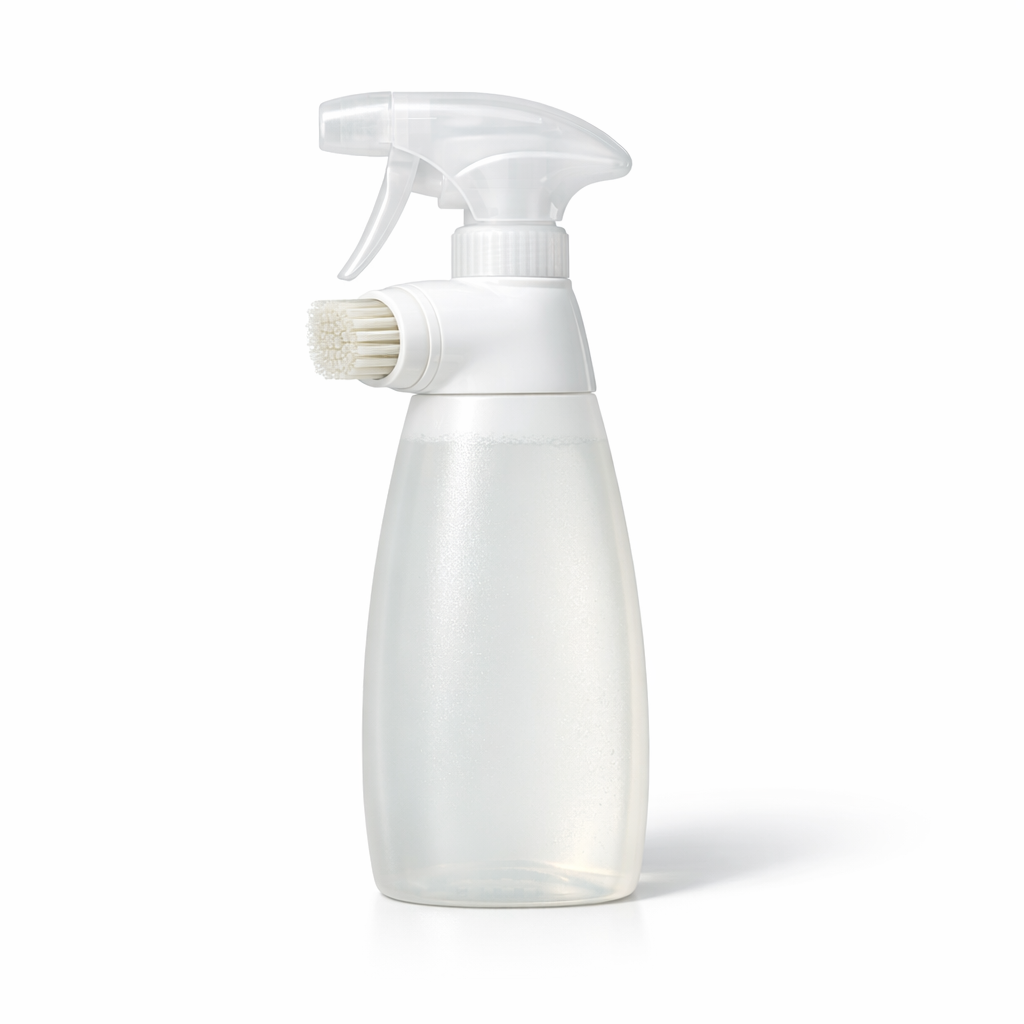
Ecover Zero Stain Remover
Truste
The short version
Ecover Zero Stain Remover is best treated as a gentler pre-wash helper rather than a miracle fix for every stain. Its appeal is the Zero positioning: a stain remover for people who want to avoid added fragrance and colourants where possible. It makes most sense for fresh, everyday marks on washable fabrics, provided you check the garment care label and the current product instructions first.
It is not the product I would choose as the only stain treatment in a home that regularly deals with heavy grease, old collar grime or dye transfer. For households that value a lower-fragrance laundry routine, though, it is a sensible product to consider. Before buying, compare the current bottle label with the fabrics you wash most often, rather than assuming it will suit every garment.
Product overview
Ecover Zero Stain Remover is a laundry stain remover from Ecover’s Zero range. The product is aimed at pre-treating marks before the main wash, not replacing detergent. That distinction matters: it is part of the stain routine, not the whole laundry routine.
The main reason to choose it over a more strongly scented stain spray or gel is the fragrance-free, colourant-free direction of the Zero range. That can be helpful if your household dislikes lingering laundry scent, or if you already use a non-bio or low-fragrance detergent and want a stain product that fits the same routine.
The most important caveat is fabric compatibility. Stain removers are not automatically safe for every fibre, finish or dye. Always read the garment care label and the current product label, and test on a hidden seam before treating coloured, dark or delicate fabrics. Do not assume suitability for wool, silk, viscose, embellished items or dry-clean-only clothing unless the product and care label clearly support it.
Key specs
- Brand: Ecover.
- Product name: Ecover Zero Stain Remover.
- Product type: laundry stain remover for pre-wash stain treatment.
- Range: Ecover Zero, generally chosen by shoppers looking for fragrance-free and colourant-free laundry products.
- Best use: fresh, localised stains on washable garments before a normal laundry cycle.
- Check before purchase: current pack size, applicator style, full ingredients, fabric warnings, contact time and washing instructions.
- Not a substitute for: a suitable laundry detergent, correct wash programme or proper stain sorting.
Pros and cons
Pros
- Useful for households trying to keep laundry fragrance low.
- Fits well into an everyday pre-wash routine for shirts, uniforms, tops and casualwear.
- Less intrusive than heavily perfumed stain products when used alongside low-scent detergents.
- A sensible option for treating small marks before they go through the wash and set further.
- Clearer fit for routine laundry than for specialist stain rescue, which helps set realistic expectations.
Cons
- May feel too mild for old, greasy or deeply set stains.
- Requires label checking and patch testing, particularly on colours and delicate fibres.
- Not a one-product answer for every stain type.
- Results will depend heavily on how quickly you treat the stain and which wash cycle follows.
- Some shoppers may prefer a more targeted product for ink, rust, dye transfer or heavy food oil.
Performance in real use
The fairest way to judge this product is by everyday laundry behaviour rather than dramatic stain-removal promises. On fresh marks from food splashes, light soil, cuffs or small household stains, it has the right role: apply before washing, give it time to work according to the label, then wash promptly on a programme that suits the garment.
Where it is likely to disappoint is on stains that need a more aggressive or specialised approach. Dried oil, old deodorant build-up, permanent ink, hair dye and unknown stains that have already been through a hot wash are much tougher cases. With those, a general pre-wash stain remover can help, but it should not be expected to perform like a specialist stain treatment designed for a particular mark.
Its low-fragrance positioning is a genuine practical advantage if you dislike strong laundry scents. Many stain products leave a noticeable smell on cuffs, underarms or children’s clothes even after washing. A fragrance-free option is easier to integrate with detergents such as Fairy Non-Bio Laundry Detergent or other low-scent laundry routines, provided the full ingredient list suits your household.
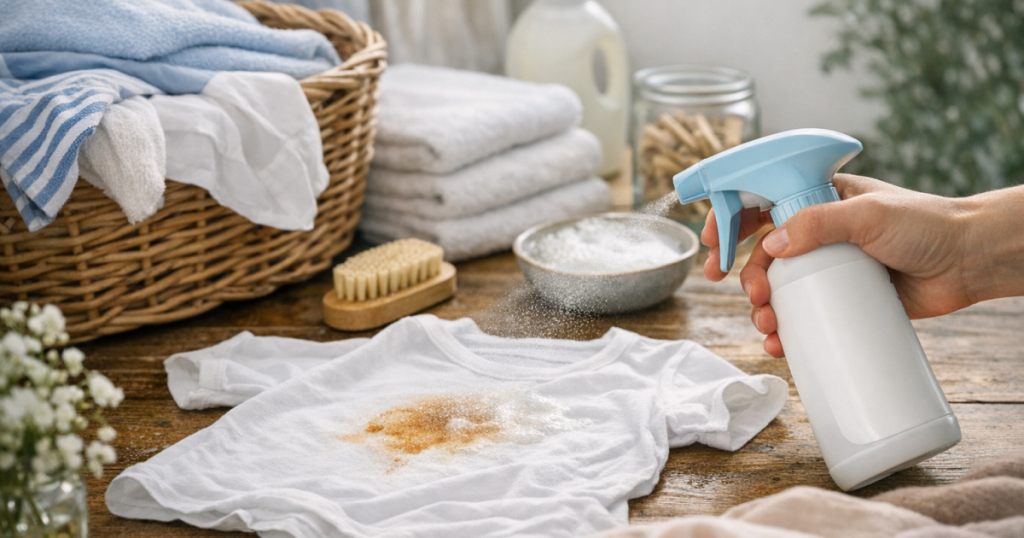
Application technique matters. Treat the mark while it is fresh, work from the outside of the stain towards the centre, and avoid scrubbing delicate fabrics harshly. Rubbing can distort jersey, raise fibres on brushed cotton or leave a lighter patch on dark garments. For colour-sensitive items, a hidden-seam test is not optional; it is the difference between stain care and accidental fabric damage.
The wash after treatment is just as important. Too cool a cycle may not shift greasy residue; too hot a cycle can set some protein-based stains. If you air dry most laundry, also think about extraction: a suitable spin can reduce drying time without over-stressing the garment. For more on that part of the routine, see our guide to choosing the right spin speed before air drying.
Value depends on expectations. If you want one stain product for routine family laundry, Ecover’s option is appealing because it is straightforward and low-scent. If you want maximum stain attack above all else, you may find it too restrained. The right test is not whether it removes every mark, but whether it improves the success rate of normal washes without adding scent or unnecessary harshness to your routine.
Who it’s best for / who should skip it
This product is best for households that already make careful laundry choices: low-fragrance detergents, non-bio formulas, cooler washes where appropriate, and regular sorting by colour and fabric. It is also a good fit if you deal with frequent but moderate stains, such as food spots on cotton tops, light marks on school uniform, or small spills on everyday washable clothing.
It is less suitable if your main laundry problem is heavy-duty stain rescue. Workwear with engine grease, sports kit with ingrained mud, white shirts with long-term collar yellowing or garments with mystery stains may need a stronger or more targeted approach. It is also not ideal for anyone who wants to treat delicate fibres without checking labels; viscose, silk, wool and embellished garments need more caution than standard cotton basics.
Choose it if your priority is a lower-scent pre-treatment that supports a careful wash routine. Skip it if your priority is the most powerful stain removal possible, regardless of fragrance or fabric gentleness.
Things readers ask
Can it be used on baby clothes?
It may suit some baby laundry routines because of the Zero range’s fragrance-free direction, but always check the current label, rinse thoroughly through the wash, and avoid using any stain product on garments that say not to pre-treat.
Will it remove old stains?
It may improve some older marks, but old stains are less predictable. Marks that have already been washed and dried are harder to shift, especially oil, dye, ink and deodorant build-up.
Is it safe on coloured clothes?
Do a hidden-seam test first. Coloured fabrics vary widely in dye stability, and even a gentler stain remover can affect colour if the fabric or dye is not robust.
Should I use it with biological or non-biological detergent?
Use the detergent that suits the garment and household. The stain remover is a pre-treatment; the final result still depends on detergent choice, wash temperature, drum loading and how quickly the stain was treated.
Alternatives
If you want a stronger, more conventional stain-removal feel, Shout Advanced Gel Stain Remover is worth comparing, particularly for everyday stains where you are less concerned about fragrance. It has a different profile, so the better choice depends on your household’s tolerance for scent and the types of stains you see most often.
Vanish Oxi Action Stain Remover Spray is another familiar UK option for shoppers who prefer a mainstream spray format. Before switching, check the label carefully for fabric exclusions, colourfastness advice and whether the product suits the garments you actually wash. For low-fragrance households, Ecover’s Zero option still has the clearer fit.
Verdict + score
Ecover Zero Stain Remover is a good fit for careful, fragrance-conscious laundry routines where the aim is to improve everyday stain removal without reaching immediately for a heavily scented product. It is at its best on fresh, ordinary marks and washable fabrics, used promptly and followed by a suitable wash. Its limitations are also clear: it is not the toughest choice for old, oily or specialist stains, and it still demands proper fabric checks. For UK households that value gentle-feeling laundry choices and realistic stain support, it earns 7.8/10.
Ecover Zero Stain Remover
Truste
You might also like: Clothes Storage Materials Guide: Wood, Plastic, Canvas and Vacuum Bags.