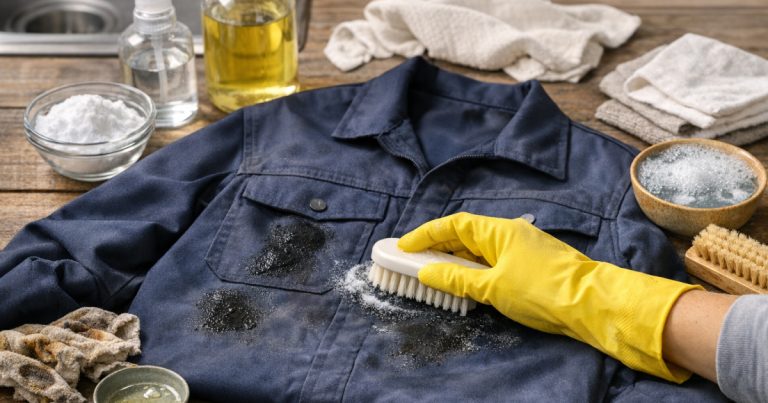
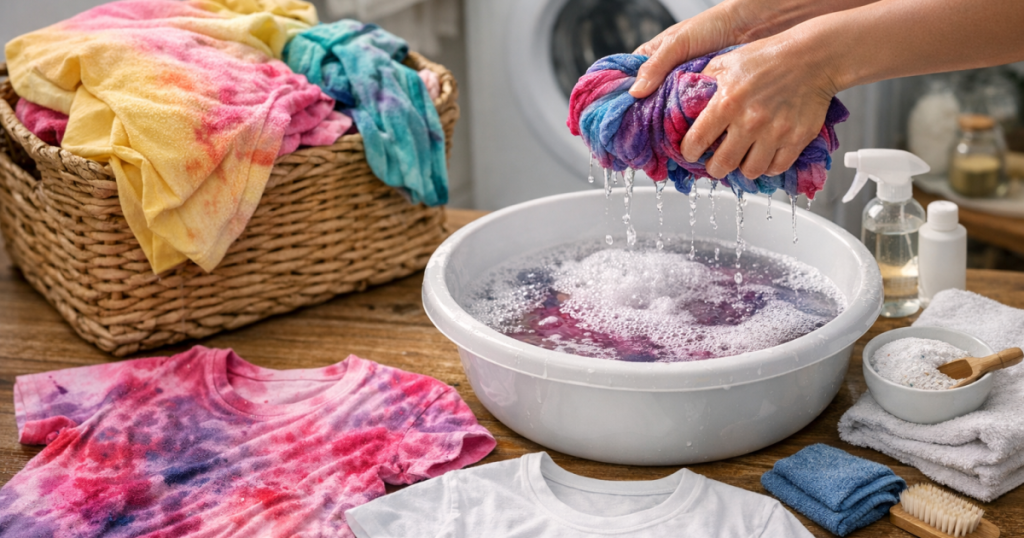
A dye bleed in the wash can make a white shirt look pink, grey or patchy in seconds. The key to saving colour run clothes is to act before heat, time and repeated drying lock the transferred dye further into the fibres.
Do not tumble dry the affected items, do not iron them, and do not assume the whole load needs the same treatment. Different fabrics respond very differently to colour removers, oxygen-based products and rewashing, so the safest rescue starts with sorting.
At a glance
- Keep the affected garments damp until you are ready to treat them.
- Separate the item that bled from the items that picked up dye.
- Check every care label before using hot water, stain removers or colour run products.
- Rewash washable cottons and synthetics promptly with detergent, using the warmest temperature the care label allows.
- Avoid chlorine bleach unless the care label clearly allows bleaching and the garment is suitable.
- For wool, silk, viscose, embellished items and dry-clean-only garments, keep treatment gentler and avoid harsh colour removers.
Step 1: stop the dye setting
As soon as you spot the colour run, take the load out of the machine and keep the affected items away from direct heat. Heat is the enemy here: tumble drying, airing cupboard heat and ironing can make the transferred dye much harder to shift.
If the garments are still damp, leave them damp while you inspect them. If they have already dried naturally, you can still try a rescue, but results are usually better before the dye has fully settled into the fabric.
Do not rub patches aggressively. Rubbing can roughen fibres, spread dye into a wider area and leave pale abrasion marks on delicate fabrics. Treat the whole affected garment or the whole affected section instead.
Step 2: find the item that caused the problem
Before rewashing anything, identify the garment that released dye. It may be a new dark T-shirt, indigo denim, a red sock, a bright cotton dress, a cheap black hoodie or a strongly coloured towel. Remove it from the rescue wash so it does not bleed again.
Look for these signs:
- A garment that looks slightly faded compared with before washing.
- Strong colour in the drum water or on a white cloth rubbed gently against the damp fabric.
- Dye concentrated on pale items that were touching one particular garment.
- A new or recently bought item washed for the first time.
Set the suspect item aside. Wash it separately later, following the care label, and consider using a colour catcher sheet in future mixed loads. Colour catchers can help reduce loose dye in the wash, but they are not a guarantee against a heavily bleeding garment.
Step 3: sort the affected load by fabric and colour
It is tempting to throw the whole load back in and hope for the best, but sorting improves your chances and reduces damage. Group items by fibre and care label rather than simply by how stained they look.
Washable whites and pale cottons
White cotton T-shirts, cotton bedding, plain towels and many cotton-rich school shirts are usually the most straightforward to rescue, provided the care label allows normal washing. These can often tolerate a longer soak or oxygen-based laundry treatment better than delicate fibres.
Synthetics and sportswear
Polyester, nylon and elastane blends can pick up dye unevenly. Avoid very hot water unless the label allows it, because heat can affect stretch, prints and finishes. A prompt rewash with detergent is often the safest first attempt.
Wool, silk, viscose and delicate items
Protein fibres such as wool and silk need a much gentler approach. Many colour run removers and stain treatments are not suitable for them, and high heat can shrink, distort or dull the fabric. If the garment is valuable, sentimental or labelled dry clean only, avoid experimenting with strong treatments at home.
For delicate fibres with localised marks, be cautious with gadget-style stain treatment too. If you are considering an electronic stain tool, read our guidance on whether ultrasonic stain remover pens are safe for silk and wool before putting pressure, liquid and vibration on fragile cloth.
Step 4: rewash quickly, but only within the care label
For machine-washable garments, the first rescue attempt should usually be a simple rewash. Use a good laundry detergent and the warmest wash the care label permits. Do not overload the drum; the fabric needs water movement so loosened dye can rinse away rather than settle back onto the garment.
Use a full wash cycle, not a quick refresh cycle. Short cycles may not give the detergent enough time to lift loose dye, especially on cottons and towels. If the machine offers an extra rinse, use it for pale items with visible dye transfer.
Check the garments before they dry. If the dye has faded but not gone, repeat treatment while the fabric is still damp. If you dry the garment between attempts, you reduce the chance of removing what is left.
Step 5: use a colour run remover only when the fabric allows it
Colour run removers can be useful on suitable washable fabrics, particularly whites and colourfast items that have picked up unwanted dye. A product such as Dr. Beckmann Colour Run Remover is designed for this kind of laundry mistake, but you still need to follow the pack instructions and check fibre suitability before use.
Before treating the whole item, check:
- Whether the product is suitable for whites, colours or both.
- Whether it excludes wool, silk, leather, viscose, coated fabrics or metal trims.
- Whether the garment care label allows soaking or the required wash temperature.
- Whether prints, embroidery, contrast panels or decorative finishes could be affected.
- Whether the item was already non-colourfast before the accident.
Colour run removers are not magic erasers. They can sometimes lighten original garment dye, affect contrast trims or leave uneven results on fabrics made from mixed fibres. They are most sensible when the alternative is writing off the garment and the care label gives you room to treat it.
Step 6: treat whites differently from coloured garments
White items give you more options, but they still need care. Oxygen-based laundry soakers can help lift dye transfer from many washable whites, especially cotton and polycotton, but they are not suitable for every fibre. Always dissolve powders properly and avoid leaving undissolved granules sitting on fabric.
Chlorine bleach is much harsher. It can yellow some fabrics, weaken fibres, damage elastane and ruin wool or silk. It can also affect stitching, logos and trims even when the main fabric looks plain white. If a care label shows the do-not-bleach symbol, do not use bleach as a rescue shortcut.
For coloured garments that have picked up another dye, avoid anything that strips colour unless the product specifically says it is suitable and the garment is colourfast. A second controlled wash is often safer than aggressive bleaching.
Step 7: deal with stubborn patches
If the colour run is patchy rather than all-over, do not scrub one area until it looks pale. Instead, soak or treat the garment evenly so the result is more uniform. Patch treating can leave a halo where the treated section becomes cleaner or lighter than the surrounding fabric.
On cotton whites, a repeat oxygen soak may help if the care label allows it. On coloured cottons, test an inside seam first because the original dye may lift. On synthetics, patience matters: two gentle attempts can be safer than one harsh one.
If the garment still looks uneven after safe treatment, consider whether it can be re-dyed, worn for messy jobs, altered, or kept as home wear. Not every dye transfer can be fully reversed, especially if the item has already been dried with heat.
Step 8: dry carefully after the rescue wash
Only dry the garment once you are satisfied that the dye has lifted as much as it is going to. Air drying is safer than tumble drying after a colour run because it gives you a final chance to reassess before heat sets any remaining stain.
Reshape knitwear, hang shirts neatly and lay delicates flat where needed. Keep bright and pale damp items from touching each other on the airer, as dye can still transfer when fabric is wet. For fragile fabrics, the safest setup is often a towel-assisted dry away from radiators and direct heat; see our advice on how to dry delicates indoors without heat damage.
If you are drying a full rescued load indoors, increase ventilation and avoid packing wet laundry tightly into a small room. Rewashed items can take longer to dry after extra rinsing, which can add moisture to the air; our guide to stopping indoor laundry causing window condensation explains how to manage that without overheating clothes.
How to prevent the next colour run
Prevention is easier than rescue. Most colour runs happen when a non-colourfast garment meets warm water, a long cycle or pale fabrics. New dark and bright clothing deserves special attention for the first few washes.
- Wash new dark denim, red garments, bright towels and strong prints separately at first.
- Use cooler washes where the care label allows, especially for mixed colours.
- Do not leave damp mixed laundry sitting in the drum, basket or on an airer.
- Sort by colour intensity as well as light and dark; bright red with navy is not the same as pale blue with grey.
- Turn printed garments inside out to reduce friction on surface dye.
- Consider Dylon Colour Catcher Sheets in mixed everyday loads, while still keeping risky items separate.
A simple colourfastness check can also help. Dampen an inside seam or hidden area, press it with a clean white cloth, and look for transfer. If colour comes away easily, wash that garment alone or with very similar colours.
Common questions
Can a colour run be removed after the clothes have dried?
Sometimes, but it is harder. If the clothes dried naturally, try a fabric-safe rewash or suitable treatment. If they were tumble dried or ironed, the dye may be more firmly set.
Should I rewash the whole load or just the stained items?
Remove the garment that bled first. Then rewash only the affected items that can safely share the same cycle, temperature and detergent.
Can I use bleach on a white shirt after a colour run?
Only if the care label allows bleaching and the fabric is suitable. Avoid chlorine bleach on wool, silk, elastane-rich fabrics, many trims and anything with coloured stitching or prints.
Will vinegar remove transferred dye?
Vinegar is not a reliable colour run remover. It may help with some odours or residue in laundry, but it should not replace detergent, proper rinsing or a fabric-appropriate dye transfer treatment.
Are colour catcher sheets enough for new jeans?
Not always. New indigo denim can release a lot of dye, so wash it separately at first. A colour catcher is a backup, not permission to mix risky dark garments with pale laundry.
What stands out
The best chance of rescuing dye-stained laundry comes from acting quickly, keeping heat away and matching the treatment to the fabric. Start with sorting and a proper rewash, then move to a colour run remover or oxygen-based treatment only when the care label and fibre type make that sensible.
If the item is delicate, valuable or made from wool, silk or viscose, gentle handling matters more than speed. A cautious rescue may not remove every trace of dye, but it is far better than replacing a colour run with shrinkage, bleaching or fibre damage.