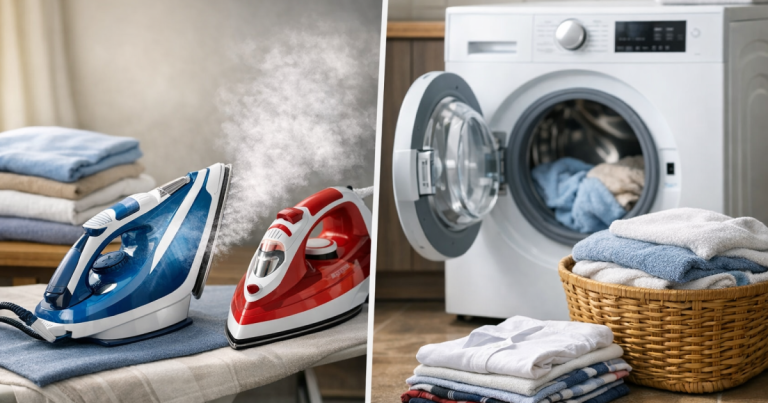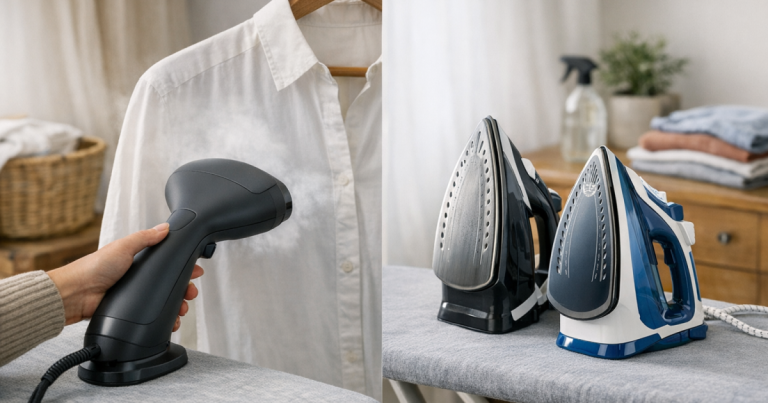
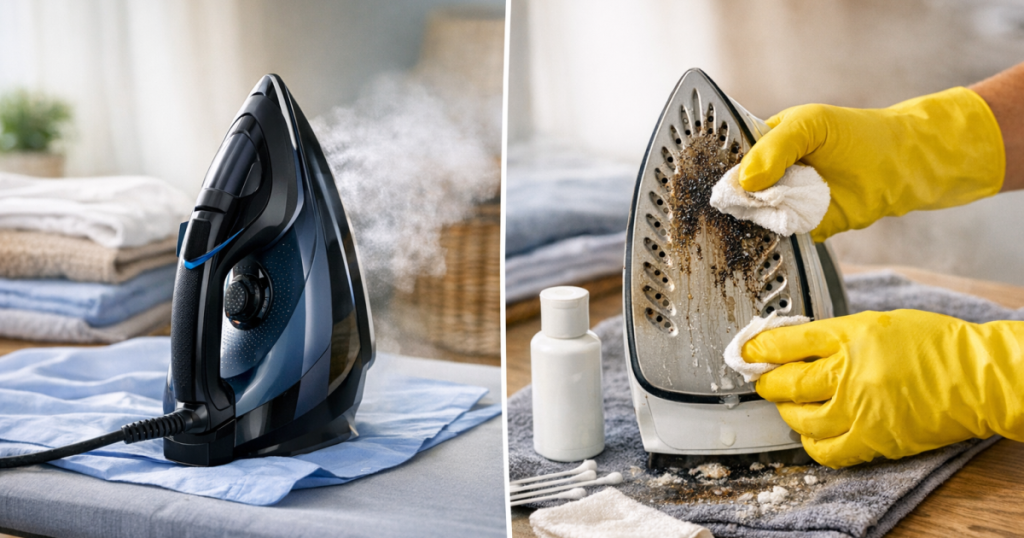
When shirts start sticking, collars look shiny or a freshly washed blouse still comes off the board with lines, it is tempting to blame the iron straight away. Philips Azur Elite Steam Iron vs Dylon Iron Cleaning Solution is really a choice between upgrading crease removal and restoring the tool you already own. One is an iron for regular pressing; the other is a maintenance product for residue on the soleplate. Matching the fix to the fault saves money and helps protect fabric finishes.
Quick Buying Links
Philips Azur Elite Steam Iron
Philips Azur Elite Steam Iron vs Dylon Iron Cleaning Solution is really a choice between upgrading crease removal and restoring the tool you already own.
Dylon Iron Cleaning Solution
Philips Azur Elite Steam Iron vs Dylon Iron Cleaning Solution is really a choice between upgrading crease removal and restoring the tool you already own.
The short version
- The Philips Azur Elite Steam Iron is the bigger change if your current iron is weak on creases, slow to recover, awkward on shirts or unreliable across mixed laundry loads.
- The Dylon Iron Cleaning Solution is the better first step if your iron still heats and steams well but the soleplate is sticky, stained or transferring marks.
- Do not buy a new iron just because fabric is dragging. A dirty soleplate, scorched starch, melted synthetic fibres or residue from ironing sprays can make a good iron behave badly.
- Do not rely on a cleaning solution to fix poor steam performance, leaking, limescale inside the iron or a damaged soleplate. Those are separate problems.
- For delicate fabrics, the safest result usually comes from lower pressure, clean equipment, a pressing cloth and following the garment care label rather than simply using more heat.
What problem are you actually trying to fix?
These two products sit at different points in the ironing routine. The Philips option is a main tool: it affects how quickly you press cotton shirts, bedding, uniforms and everyday workwear. The Dylon option is a maintenance fix: it helps deal with residue on the surface that touches your clothes.
If creases are the issue
Persistent creases usually point towards the iron, the board setup, fabric moisture or pressing technique. A more capable steam iron can make a noticeable difference on cotton shirts, school uniform, linen blends and thicker fabrics, provided the garment can safely be ironed. If your main decision is whether a steam iron is the right tool for shirts at all, our comparison of a clothes steamer or steam iron for shirts is a useful next step.
If sticking, dragging or marking is the issue
Dragging is often not a power problem. It may be residue baked onto the soleplate from starch, synthetic fabric, printed transfers, detergent build-up or accidental contact with trims. In that situation, cleaning the iron may restore smooth movement without replacing the appliance. The key is to use any iron cleaner exactly as directed on its own packaging and to check that it is suitable for your iron’s soleplate finish.
Side-by-side comparison
- Core job: Philips Azur Elite is for pressing garments and reducing creases. Dylon Iron Cleaning Solution is for cleaning residue from an iron soleplate.
- Best first use: Choose the iron when your current appliance is underperforming on normal laundry. Choose the cleaner when the iron surface is visibly dirty or feels rough on fabric.
- Impact on fabric: A clean, well-controlled iron can reduce tugging and shine risk. A dirty soleplate can mark fabric even if the iron itself is otherwise good.
- Running routine: The iron becomes part of every pressing session. The cleaner is occasional maintenance, not something to use before every garment.
- Skill required: Both are household-level products, but the cleaner needs careful handling because misuse can leave residue or fail to remove the original problem.
- Limitations: A new iron will not remove existing marks from clothing. A cleaning solution will not improve weak steam, internal limescale or a cracked soleplate.
Where the Philips Azur Elite makes more sense
A steam iron upgrade makes sense when ironing itself is the bottleneck. If you regularly press shirts, smart trousers, cotton dresses, bedding or workwear, the quality of the iron affects speed, finish and how much pressure you need to apply. Less dragging and better steam delivery can also help you avoid repeatedly grinding the soleplate over the same area.
Before buying, check the exact Philips Azur Elite version being sold rather than relying on the range name alone. Retail listings can vary, and the details that matter are practical: soleplate finish, steam controls, descaling method, water tank access, cord length, weight in hand and whether the temperature handling suits the mix of fabrics you actually iron. For a UK household with hard water, the descaling routine is worth reading before purchase because neglected limescale can affect steam performance over time.
The Philips route is most persuasive if your current iron has several weaknesses at once. For example, it struggles with cotton shirt cuffs, leaves damp patches, needs repeated passes on bedding and feels awkward around buttons. If the old iron is also showing signs of wear, upgrading can be more sensible than repeatedly trying to work around it.
It is less persuasive if the only symptom is a brown or sticky mark on the soleplate. A new iron will solve that by replacing the dirty surface, but it is an expensive way to address a maintenance issue. It also misses the underlying cause, so the new iron may pick up the same residue if you continue ironing over transfers, sprays, unremoved stains or detergent deposits.
Where Dylon Iron Cleaning Solution is the smarter buy
Dylon’s cleaner is the more targeted choice when the iron is basically sound but the soleplate is not. If the iron glides smoothly in some areas and catches in others, or if you can see brown, black or glossy residue, cleaning should come before replacement. It is particularly relevant after an accidental scorch, contact with synthetic fibres or ironing over a printed detail that was not meant to be heated.
The fabric-care advantage is simple: a clean soleplate is less likely to transfer grime, create shiny pressure marks or snag across delicate weaves. It also makes your pressing technique more predictable. When an iron drags, people often compensate by pressing harder, which can flatten pile, polish seams or distort fabric. Removing the residue helps you use lighter pressure.
There are important limits. Iron cleaning solution is not a descaler for the inside of the appliance unless the product label specifically says so. It is not a repair for scratches, peeling coatings or a soleplate that has become rough because the surface itself is damaged. It also will not remove marks that are already set into a garment. Treat the iron and the garment as separate jobs: clean the tool first, then deal with any fabric staining according to the fibre and colour.
Costs and value in a UK laundry setup
The value question is not simply which item costs less. It is whether you are solving the right part of the system. Ironing depends on four things working together: the fabric condition, the iron, the board surface and your technique. Replacing one part while ignoring the real fault leads to frustration.
A new steam iron is a higher-commitment purchase because it changes your everyday routine. It can be worth it if you iron frequently, need a sharper finish for work clothing or have lost confidence in an older appliance. A cleaner is the lower-commitment trial when the iron’s main problem is contamination on the soleplate. In many homes, cleaning first is the sensible diagnostic step: if glide improves, you have avoided an unnecessary replacement; if it does not, you have clearer evidence that the iron itself may be the issue.
Also consider the ironing board. A sagging cover, poor padding or unstable board can make a good iron look worse than it is. If collars and seams are not getting a crisp finish, the surface beneath the garment may be part of the problem, especially on shirts and uniforms.
Mistakes that lead to poor ironing results
- Ironing over deodorant or body-product residue. White marks and waxy patches can transfer or set under heat. If this is a common issue on dark clothing, deal with the garment first using our advice on removing white deodorant marks from black clothes.
- Using too much heat on synthetics. A brief touch on the wrong setting can melt fibres or leave a shiny patch. Always check the care label, and use a pressing cloth for vulnerable fabrics.
- Assuming steam fixes everything. Steam helps relax fibres, but it cannot clean a dirty soleplate or undo scorch damage.
- Using ironing sprays without cleaning the iron. Starch and finishing sprays can build up, especially if used heavily or unevenly.
- Cleaning the soleplate with abrasive tools. Scratching the surface can make future sticking worse and may damage fabrics.
- Filling the iron contrary to the manufacturer’s instructions. Some irons have specific water guidance, and hard-water areas can make maintenance more important.
Which option fits your routine?
For regular shirt ironing
The Philips iron is the stronger candidate if shirts are your main frustration and your current appliance lacks consistency. Look for easy movement around collars, cuffs, plackets and button areas. A good board and a clean soleplate still matter, but a capable steam iron can reduce the number of passes needed on cotton and cotton-rich shirts.
For occasional ironing
If you iron only for special occasions, the Dylon cleaner may be the more proportionate first buy when the existing iron is dirty. Occasional users often store irons for long periods, then notice residue only when a light garment is on the board. Clean the soleplate before using it on anything pale, delicate or important.
For uniforms and workwear
Uniforms need consistency more than drama. Chef jackets, healthcare tunics, school shirts and office wear are often washed frequently, so detergent residue and body-product marks can build up. If your iron is clean but slow, upgrade the tool. If the finish is patchy only where the soleplate catches, clean first.
For delicate fabrics
Neither product removes the need for fabric judgement. Silk, viscose, wool blends and embellished garments need lower pressure and careful handling. A clean iron reduces risk, but a pressing cloth, inside-out ironing and garment-label checks are still central. If the fabric is not meant to be ironed, do not treat a better iron as permission to press it.
What stands out
The Philips Azur Elite is the better choice when your actual problem is crease removal, steam performance and everyday pressing efficiency. It is the route to consider when the old iron makes routine laundry harder than it should be, and when you are willing to check the model details against your fabrics, storage space and maintenance habits.
Dylon Iron Cleaning Solution stands out when the problem is more specific: a dirty soleplate causing drag, staining or uneven glide. It is a sensible first step before replacing an otherwise functional iron. Use it as a maintenance fix, not as a cure for internal limescale, poor steam output or physical damage.
For most readers, the practical order is this: inspect the soleplate, clean it if residue is present, test the iron on a plain cotton cloth, then decide whether the appliance itself still falls short. If the wider setup is the issue, our comparison of the Minky Homecare Ironing Board vs Dylon Iron Cleaning Solution can help you separate board problems from iron-cleaning problems.
Quick Buying Links
Philips Azur Elite Steam Iron
Philips Azur Elite Steam Iron vs Dylon Iron Cleaning Solution is really a choice between upgrading crease removal and restoring the tool you already own.
Dylon Iron Cleaning Solution
Philips Azur Elite Steam Iron vs Dylon Iron Cleaning Solution is really a choice between upgrading crease removal and restoring the tool you already own.
Questions people ask
Can I use both products?
Yes, but they solve different jobs. A clean soleplate helps any iron perform better, while a new steam iron helps if the old appliance is weak, awkward or unreliable. Clean first if residue is visible.
Will Dylon cleaner remove brown marks from clothes?
No. It is for the iron surface, not the garment. Brown marks on fabric need stain treatment based on fibre type, colour and whether the mark is scorch, rust, residue or transferred grime.
Should I replace an iron with a scratched soleplate?
If the scratches catch fabric or the surface coating is damaged, cleaning will not repair it. Replacement is usually the safer fabric-care decision once the soleplate itself is rough.
Can a better steam iron prevent shiny marks?
Not by itself. Shine usually comes from too much heat, pressure or direct contact on vulnerable fabric. Use a pressing cloth, iron inside out where suitable and avoid pressing seams too hard.
How often should I clean an iron soleplate?
Clean it when you notice residue, drag or transfer marks, rather than on a fixed schedule. Heavy starch use, synthetic mishaps and frequent uniform ironing may mean it needs attention more often.