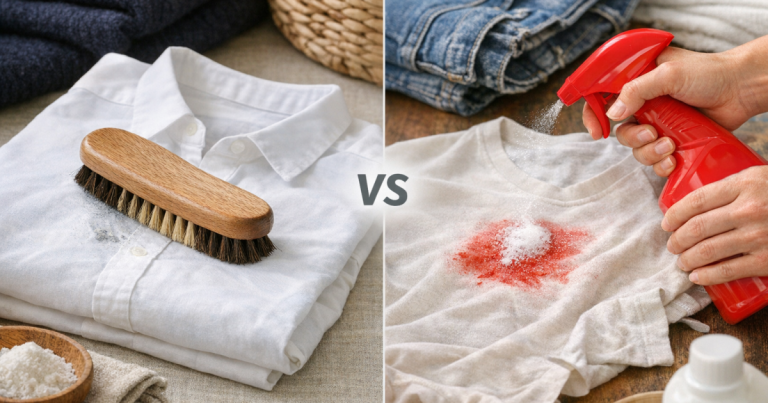
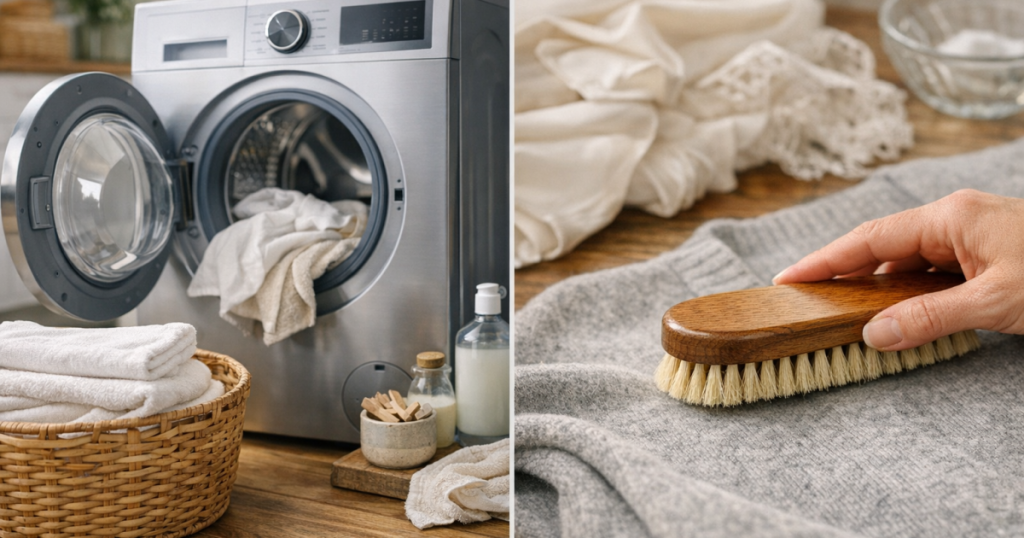
When a garment looks tired, the right fix is not always another full wash. The Bosch Serie 4 vs Laundress decision is really about whether the problem is inside the fabric or sitting on the surface. Sweat, food marks and detergent-soluble grime need a washing machine. Dust, lint, pet hair and light surface dullness often need a brush instead.
Quick Buying Links
Bosch Serie 4 Washing Machine
Washing cleans more deeply, while brushing is gentler and quicker for surface refreshes.What each product is actually solvingThe Bosch Serie 4 Washing Machine is a household laundry appliance for laundering washable garments.
The Laundress Clothing Brush
It is the practical choice when a garment needs a proper wash rather than a cosmetic tidy-up.The The Laundress Clothing Brush is a manual garment-care tool.
For UK households trying to protect workwear, wool coats, knitwear, dresses and everyday clothes, the smarter choice is usually the one that solves the issue with the least stress on the fabric. A washing machine and a clothing brush are not direct substitutes, but they do overlap in one important way: both can make clothes look fresher, provided you use them for the right problem.
In brief
- Choose the washing machine when clothes need water, detergent and mechanical cleaning: sweat, body oils, washable stains, everyday underwear, shirts, bedding, sportswear and machine-washable workwear.
- Choose the clothing brush when the garment is structurally clean but looks dusty, linty or flat: wool coats, tailoring, scarves, heavier trousers and outerwear that should not be washed too often.
- Use both together for a lower-wear routine: brush between washes, then machine wash only when the care label and level of soiling call for it.
- The main trade-off is cleaning depth versus fabric disturbance. Washing cleans more deeply, while brushing is gentler and quicker for surface refreshes.
What each product is actually solving
The Bosch Serie 4 Washing Machine is a household laundry appliance for laundering washable garments. Its value is in controlled washing programmes, spin options and repeatable cleaning for regular loads. It is the practical choice when a garment needs a proper wash rather than a cosmetic tidy-up.
The The Laundress Clothing Brush is a manual garment-care tool. It is designed for surface maintenance: lifting away loose debris, dust and lint from fabrics that benefit from brushing rather than frequent washing. Before using any brush, check the garment’s care label and test gently on an inconspicuous area, especially on textured, loosely woven or delicate fabrics.
The difference matters because over-washing can age clothes unnecessarily, while under-washing can leave oils, odours and stains embedded. A brush cannot remove perspiration from a shirt collar. A washing machine is excessive for a wool coat that only has lint on the sleeve.
Side-by-side: where each option wins
- Cleaning depth: The Bosch option wins for washable dirt, odours and detergent-based stain treatment. The brush only deals with the surface.
- Fabric gentleness: The brush wins when used carefully on suitable fabrics, because it avoids water, detergent, spin and repeated agitation. The machine can still be fabric-safe, but only when the programme, temperature, load size and spin are appropriate.
- Speed: The brush is quicker for a coat before leaving the house. The washing machine is better when you have a full laundry load that genuinely needs cleaning.
- Best garments: The machine suits cotton basics, washable synthetics, towels, bedding and labelled machine-washable pieces. The brush suits wool coats, heavier jackets, tailoring and garments that mainly collect dust or lint.
- Risk of damage: Machine risk comes from heat, spin, colour run, snagging and wrong programme choice. Brush risk comes from over-brushing, aggressive pressure, pulling fibres or using it on fabrics that are too delicate.
- Running cost and effort: A brush has no water or energy use and little setup. A washing machine uses water, electricity and detergent, but handles larger volumes with less manual effort.
- Best role in a wardrobe routine: The machine is for scheduled cleaning. The brush is for maintenance between washes.
When the Bosch Serie 4 is the better choice
Use the washing machine when the garment needs a hygienic, detergent-led clean and the care label allows it. Everyday T-shirts, underwear, socks, cotton shirts, pyjamas, washable gym kit and household textiles generally need more than surface grooming.
A machine is also the better option when stains have penetrated the fibres. Mud on work trousers, cooking oil on a cotton top or sweat build-up on a base layer will not be solved by brushing alone. In those cases, pre-treat according to the garment label, choose a suitable detergent and avoid overloading the drum so water and detergent can move properly through the fabric.
For delicate garments, the appliance can still be useful, but the decision becomes more careful. Lower temperatures, gentler programmes, reduced spin and mesh laundry bags can help reduce snagging and stretching, depending on the garment. If you own this appliance and want to avoid common mistakes with fine fabrics, the more detailed guide to using a Bosch Serie 4 for delicates without stretching or snagging is a useful next step.
The washing machine is also more practical for uniforms and workwear that need consistent cleaning. Hi-vis items, embroidered polos and waterproof jackets all need extra care, but if they are genuinely soiled, brushing will only improve the look temporarily. Always check whether reflective strips, logos, coatings or membranes place limits on temperature, spin or detergent type.
When The Laundress Clothing Brush makes more sense
A clothing brush is useful when the garment is not dirty enough to wash but looks tired because of loose particles. Wool coats are the obvious example: they pick up fluff, hair and street dust, yet frequent washing is rarely appropriate. Brushing before storage can also help prevent grime from sitting in the fibres for long periods.
It is also a good tool for tailoring and heavier outer layers where laundering is either unsuitable or too disruptive. A quick brush can revive the nap and remove visible debris without exposing the garment to water, detergent or spin. That makes it particularly handy in winter, when coats and jackets are worn repeatedly but not washed after every outing.
The key is a light touch. Brush in the direction of the fabric, avoid scrubbing, and stop if you see fibres lifting or the surface becoming fuzzy. On loosely knitted items, sequinned garments, embroidery, satin, viscose or very fine fabrics, a brush can be too assertive. Use a lint roller, steamer or careful hand care instead where the garment demands it. For coats specifically, our comparison of a clothes brush or lint roller for coats explains when each tool is kinder and more effective.
The combined routine that protects clothes best
The strongest fabric-care routine is not choosing one product forever. It is knowing which step comes first. Brushing can reduce unnecessary washing, while washing removes what brushing cannot. Used together, they help clothes look better for longer.
- After wearing a wool coat: Hang it to air, brush off lint or dust, then store it on a supportive hanger. Do not put it straight into a crowded cupboard while damp from rain or body heat.
- After wearing a cotton shirt: If the collar and underarms are soiled, wash it. Brushing will not remove body oils from the fabric.
- For a machine-washable jumper: Remove surface lint gently first if appropriate, then wash only when needed on a suitable programme. Dry flat if the knit is prone to stretching.
- For work trousers: Brush off dry dust or grit before washing so loose debris does not circulate through the load. Then wash according to the care label if the fabric is soiled.
- For occasional-wear tailoring: Brush lightly after wear, air it well and reserve laundering or professional cleaning for when the care label and condition call for it.
This approach is more fabric-aware than using the washing machine as the answer to every freshness problem. It also avoids expecting a brush to do the job of water and detergent.
Common mistakes that shorten garment life
Washing when the problem is only surface lint
If a coat or blazer only has pet hair, fluff or dust on it, putting it through an unsuitable wash can create far more risk than reward. You may end up with distortion, shrinkage, colour change or a misshapen lining. Start with the least invasive method that fits the garment.
Brushing stains instead of treating them
Brushing a wet or oily stain can spread it or drive it deeper. For food, grease, sweat or make-up, check the care label and treat the stain properly. A brush is not a stain remover.
Overloading the machine
A crowded drum reduces cleaning and increases friction. Clothes come out less clean and more creased, and delicate items can snag against zips, hooks or rougher fabrics. Sort loads by colour, fabric weight and care needs rather than filling the drum to the limit.
Using the brush too aggressively
Firm pressure is not the same as effective brushing. Heavy scrubbing can roughen the surface, pull fibres or make wool look fuzzy. Several light passes are safer than one harsh one.
Confusing washing with drying or finishing
A washing machine solves a different problem from a dryer, steamer, iron or brush. If your real concern is drying time, creasing or restoring a garment’s finish, compare the right tools. For example, this separate piece compares a clothing brush with a Bosch Series 4 heat pump tumble dryer, which is a different decision from washing versus brushing.
Buying and suitability notes
If you are considering a Bosch Serie 4 appliance, do not buy on the name alone. The range includes different models, so check the exact programme list, drum capacity, spin options, dimensions, energy information and warranty terms from the retailer or manufacturer before purchasing. For garment care, the features to verify are the ones that affect fabric handling: delicate cycles, wool or hand-wash-style programmes, temperature flexibility, spin adjustment and how easy it is to select a lower-intensity wash.
If you are considering The Laundress brush, focus on fabric compatibility, handle comfort, bristle feel and whether it suits the clothes you actually own. A clothing brush is most useful if your wardrobe includes coats, wool layers, tailored garments or dark fabrics that show lint. If most of your laundry is sportswear, school uniform, bedding and cotton basics, the brush will be a helpful extra rather than a central tool.
It is also worth thinking about storage. A washing machine needs a permanent place and regular care such as leaving the door ajar after use, wiping the seal and running maintenance washes as directed by the manufacturer. A brush needs to be kept clean and dry, away from laundry-room damp, so it does not transfer dust back onto clothes.
The sensible choice for your wardrobe
Choose the Bosch Serie 4 Washing Machine if your main problem is genuinely dirty laundry: odours, sweat, washable stains, household loads and clothing that needs detergent-based cleaning. It is the more powerful and versatile option for regular garment care, provided you use the correct programme and do not treat every fabric the same.
Choose The Laundress Clothing Brush if your clothes often look dull before they are actually dirty. It is the better low-intervention fix for coats, tailoring and surface lint, and it can reduce unnecessary washing when used carefully.
For most wardrobes, the best answer is not either-or. The washing machine should handle proper cleaning; the brush should handle between-wash presentation. If budget or space means choosing only one, prioritise the washing machine for everyday laundry needs. Add the brush when you want to extend the life and appearance of outerwear and smarter garments without sending them through avoidable wash cycles.
Quick Buying Links
Bosch Serie 4 Washing Machine
Washing cleans more deeply, while brushing is gentler and quicker for surface refreshes.What each product is actually solvingThe Bosch Serie 4 Washing Machine is a household laundry appliance for laundering washable garments.
The Laundress Clothing Brush
It is the practical choice when a garment needs a proper wash rather than a cosmetic tidy-up.The The Laundress Clothing Brush is a manual garment-care tool.
FAQ
Can a clothing brush replace washing?
No. A clothing brush can remove loose surface debris, but it will not clean sweat, body oils, odours or absorbed stains. It is a between-wash maintenance tool, not a detergent-based cleaning method.
Is a Bosch Serie 4 safe for delicates?
It can be, depending on the exact model, programme and garment label. Use a suitable gentle cycle, avoid high heat and harsh spin, and protect snag-prone items in a mesh bag where appropriate.
Should I brush clothes before or after washing?
Brush dry coats, tailoring and dusty workwear before washing or storage if the fabric can tolerate it. Do not brush wet stains, oily marks or fragile embellishment.
Which is better for wool coats?
A clothing brush is usually the better regular-care tool for wool coats. Washing is only suitable if the care label allows it, and many structured coats need a more cautious cleaning route.
Do I still need a lint roller if I have a clothing brush?
Possibly. A brush is good for dust and general surface maintenance, while a lint roller can be quicker for visible pet hair or fluff on smoother fabrics. Many households use both.