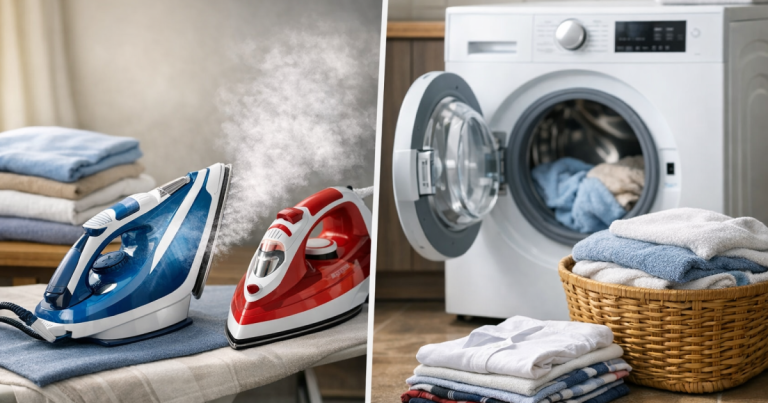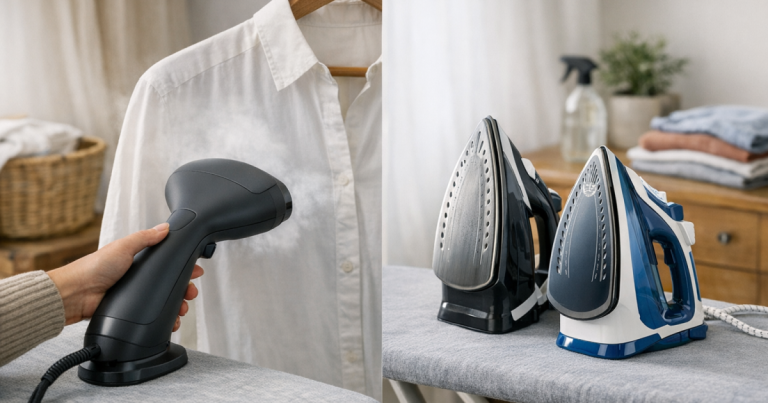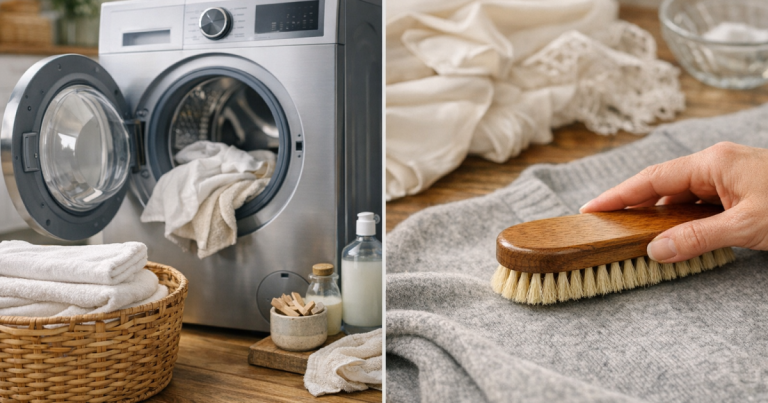
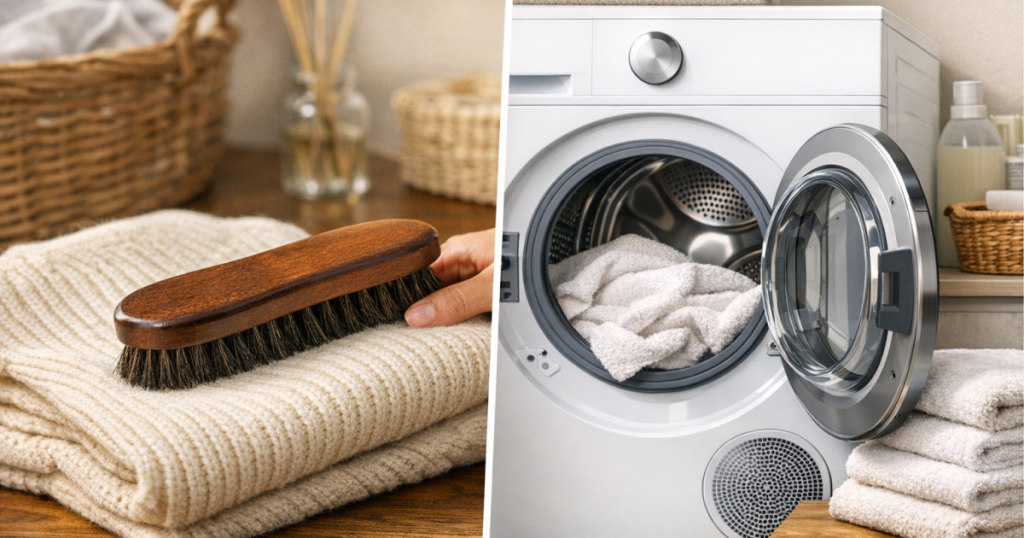
Some garment-care decisions are not direct like-for-like swaps. The Laundress brush vs Bosch dryer choice is really a question of whether your problem is surface refresh or wet-laundry drying. A clothing brush helps lift lint, dust and light surface debris from dry garments before they go back in the wardrobe. A heat pump tumble dryer handles damp washing when outdoor drying is slow, space is tight or indoor air already feels humid.
Quick Buying Links
The Laundress Clothing Brush
At a glance Choose The Laundress Clothing Brush if your main issue is lint, dust, pet hair, surface fluff or keeping dry clothes looking presentable between washes.
Bosch Series 4 Heat Pump Tumble Dryer
Choose a Bosch Series 4 Heat Pump Tumble Dryer if your main issue is getting clean, wet laundry dry reliably without relying on garden space, radiators or long indoor drying sessions.
That makes this a useful comparison for UK homes, flats and busy households: not because the two products do the same job, but because both can reduce unnecessary re-washing when used well. One is a low-effort manual maintenance tool. The other is a larger drying appliance that affects laundry workflow, energy use, fabric wear and where wet washing lives in your home.
At a glance
- Choose The Laundress Clothing Brush if your main issue is lint, dust, pet hair, surface fluff or keeping dry clothes looking presentable between washes.
- Choose a Bosch Series 4 Heat Pump Tumble Dryer if your main issue is getting clean, wet laundry dry reliably without relying on garden space, radiators or long indoor drying sessions.
- For wool coats, tailoring, knitwear and worn-once work clothes, a brush can help you delay washing and preserve fabric structure.
- For towels, bedding, uniforms and regular family laundry, a heat pump dryer is usually the more transformative household upgrade.
- Neither replaces good laundry habits: stains still need treating, delicate labels still matter, and overloaded washing machines still cause creasing and residue.
What each product actually does
The Laundress Clothing Brush
The Laundress Clothing Brush sits in the maintenance side of garment care. It is for dry garments that need neatening, not washing. You would use it on items such as wool coats, blazers, trousers, heavier cotton overshirts or jumpers that have picked up lint, dust or light debris during wear or storage.
The benefit is control. You can brush a specific area, work with the direction of the fabric, and stop before you disturb the nap or texture. That matters on darker wool, tailored fabrics and brushed finishes where sticky rollers can sometimes leave residue or pull too aggressively at the surface.
The limitation is just as important: a brush will not remove sweat, body oils, foundation, food marks or ingrained odour. If a collar is marked, an underarm smells stale or a stain has set, brushing only improves the surface appearance. It does not clean the fabric in the way washing, stain treatment or airing can.
Bosch Series 4 Heat Pump Tumble Dryer
A Bosch Series 4 Heat Pump Tumble Dryer belongs to the drying workflow. It is designed for laundry that has already been washed and spun. Heat pump dryers generally dry at lower temperatures than many older vented machines, which can be helpful for reducing harsh drying conditions, though you still need to follow the garment care label and choose the right programme.
The household benefit is consistency. In a UK winter, a rainy week or a small flat, indoor airers can leave laundry hanging around for days. A heat pump dryer can move towels, bedding, school uniform and everyday clothes through the laundry cycle more predictably. If your main problem is damp washing taking too long, a clothing brush will not help; you need a drying solution.
The trade-off is that a tumble dryer takes space, costs more upfront than a brush, needs filter and water-container maintenance unless plumbed according to the model’s instructions, and is not appropriate for every fabric. Wool, silk, embellished garments, structured tailoring and some technical fabrics often need more cautious drying methods.
Side-by-side comparison
- Main job: The clothing brush refreshes dry fabric surfaces. The Bosch dryer dries clean wet laundry.
- Best for: The brush suits coats, tailoring, knitwear, dark trousers and garments worn briefly. The dryer suits towels, bedding, cotton basics, household laundry and routine loads that are safe to tumble dry.
- Fabric impact: Brushing can be gentle when done with light pressure and the grain of the fabric. Tumble drying adds movement, heat and time, so fabric suitability and programme choice matter.
- Space needed: The brush fits in a drawer or wardrobe. The dryer needs a permanent appliance space and access that suits the exact model’s ventilation and drainage requirements.
- Running cost: The brush has no electricity use. The dryer has ongoing energy use, though heat pump models are generally designed to be more efficient than traditional vented drying.
- Speed of result: The brush gives a quick visible refresh on dry garments. The dryer saves time across a laundry load but still needs programme time, unloading and folding.
- What it cannot fix: The brush cannot dry, sanitise or properly remove stains. The dryer cannot remove lint from a coat in the same controlled way and should not be used as a shortcut for garments labelled not to tumble dry.
Where the clothing brush wins
The clothing brush is strongest when the garment is not dirty enough to wash but looks a little tired. Think of a navy wool coat that has collected dust from the car seat, black work trousers with lint on the thigh, a blazer that has been hanging near knitwear, or a jumper with loose surface fluff after a day’s wear.
It is also useful when washing would be excessive. Many structured garments lose shape, colour depth or finish when washed too frequently. Brushing, airing and spot care can extend the time between full cleans, which is better for many fabrics and more realistic for busy weeks.
For best results, keep strokes light and consistent. Work in the direction the fabric naturally lies, support the garment with your other hand, and avoid scrubbing back and forth. On textured wool, suede-like finishes or delicate fibres, test an inconspicuous area first. If the issue is pilling rather than lint, a brush is not always enough; a dedicated tool may be more effective, but technique matters, so read our guide on using a fabric shaver without snagging clothes before taking blades to knitwear.
Where the Bosch dryer wins
The Bosch dryer wins when laundry bottlenecks are your main frustration. If towels are staying damp on airers, bedding takes over the spare room, or school uniform is not dry by morning, a manual clothing tool will not solve the problem. A heat pump tumble dryer is a home setup decision, not a quick wardrobe accessory.
It can also reduce reliance on radiators. Drying clothes on radiators can increase indoor moisture and may leave some items stiff or unevenly dried. A tumble dryer offers a contained drying route, provided garments are suitable and the machine is loaded sensibly.
Before choosing any Bosch Series 4 model, check the current UK product listing carefully. Verify drum capacity, appliance dimensions, energy label, programme options, drainage method, maintenance requirements and whether the door position suits your space. Series names can cover more than one model, and retailers may sell different variants, so do not assume every Bosch Series 4 heat pump dryer has identical details.
If you are still deciding whether a dryer is worth the space, it may help to compare appliance drying with line drying. Our separate comparison of a Bosch Series 4 heat pump dryer and a Minky retractable clothesline looks more closely at home drying setups.
Fabric-care mistakes to avoid
- Using the dryer as a refresh tool for everything: A short tumble can loosen creases on some suitable fabrics, but it is not a universal refresh method. Garments labelled not to tumble dry should be kept out.
- Brushing stained fabric too firmly: Brushing can spread powdery marks or drive debris into the weave. Stains need targeted treatment, not force.
- Putting delicate items loose into busy wash loads: If your delicates are going through the machine before drying or air-drying, protect them properly. Our advice on picking mesh laundry bags for delicates explains what to check.
- Overloading the tumble dryer: A packed drum can increase creasing, slow drying and leave seams or waistbands damp. Drying works better when air can move through the load.
- Assuming lower heat means no risk: Heat pump drying is gentler than some older drying methods, but shrinkage, distortion and finish changes can still happen on unsuitable garments.
- Brushing against the nap: On brushed, woolly or raised finishes, working against the natural direction can leave the surface looking rough or patchy.
Which suits your wardrobe and home?
Choose the clothing brush if you mainly maintain better garments
The brush is the more sensible buy if your laundry routine already works but your clothes collect surface lint quickly. It particularly suits people who wear wool coats, dark tailoring, smart trousers, heavier overshirts or knitwear and want a neat appearance without washing too often.
It is also the lower-commitment option. There is no appliance space to plan, no energy use, no installation-style decision and no programme learning curve. The main skill is restraint: light strokes, regular upkeep and knowing when a garment needs proper cleaning instead.
Choose the Bosch dryer if wet laundry is the real problem
The dryer is the stronger choice for households where laundry flow is the issue. Families, shared homes, flats without outdoor space and anyone dealing with frequent towels or bedding may feel the benefit quickly. The improvement is not about one garment looking smarter; it is about making the whole wash-dry-put-away routine more dependable.
That said, you should treat it as an appliance purchase. Measure the intended space, check door clearance, consider where the water will go, and think about the fabrics you wash most often. If much of your wardrobe is wool, silk, viscose, structured tailoring or specialist sportswear, you may still rely heavily on air drying for those items even with a dryer in the home.
What stands out
The Laundress Clothing Brush and Bosch Series 4 Heat Pump Tumble Dryer answer different problems. The brush is best for maintaining dry garments so they look cleaner, neater and more cared for between washes. The Bosch dryer is best for turning wet laundry into dry laundry reliably when weather, space or household volume gets in the way.
If you are choosing only one, start with the problem that wastes the most time or risks the most fabric damage. For a wardrobe full of smart wool coats and dark workwear, the clothing brush is a small, useful maintenance tool. For a home where laundry is constantly hanging indoors and still damp the next day, the heat pump dryer is the more meaningful upgrade.
The best setup for many UK homes is not either-or. Use a clothing brush to reduce unnecessary washing of better garments, and use a suitable heat pump dryer for everyday loads that are safe to tumble dry. That combination protects fabric, keeps laundry moving and avoids treating every clothing problem as a wash-day problem.
Quick Buying Links
The Laundress Clothing Brush
At a glance Choose The Laundress Clothing Brush if your main issue is lint, dust, pet hair, surface fluff or keeping dry clothes looking presentable between washes.
Bosch Series 4 Heat Pump Tumble Dryer
Choose a Bosch Series 4 Heat Pump Tumble Dryer if your main issue is getting clean, wet laundry dry reliably without relying on garden space, radiators or long indoor drying sessions.
Questions people ask
Can a clothing brush replace washing?
No. It can remove lint, dust and light surface debris, but it will not remove sweat, oils, odour or stains. Use it for presentation and maintenance between proper cleans.
Is a heat pump tumble dryer safe for delicate clothes?
Only if the garment care label allows tumble drying and the programme suits the fabric. Many delicate, structured or embellished garments are still better air dried flat or on a hanger.
Will the Bosch dryer remove pet hair from clothes?
A dryer may loosen some hair from suitable items, but it is not a controlled grooming tool for garments. For coats, wool and dark tailoring, brushing before storage is usually more precise.
Do I need both products?
Not always. If your issue is appearance between wears, start with the brush. If your issue is damp laundry filling the home, prioritise the dryer. They complement each other rather than compete directly.
What should I check before buying a Bosch Series 4 heat pump dryer?
Check the exact UK model’s dimensions, capacity, energy label, programmes, drainage options, filter care and retailer return terms. Do not rely on the Series 4 name alone.
Further reading
- For small fabric bobbles and worn knitwear, read about using a fabric shaver safely without snagging clothes.
- For home drying decisions beyond tumble drying, compare a Bosch heat pump dryer with a Minky retractable clothesline.
- For delicates that need protection before they ever reach the drying stage, see how to pick the right mesh laundry bags.