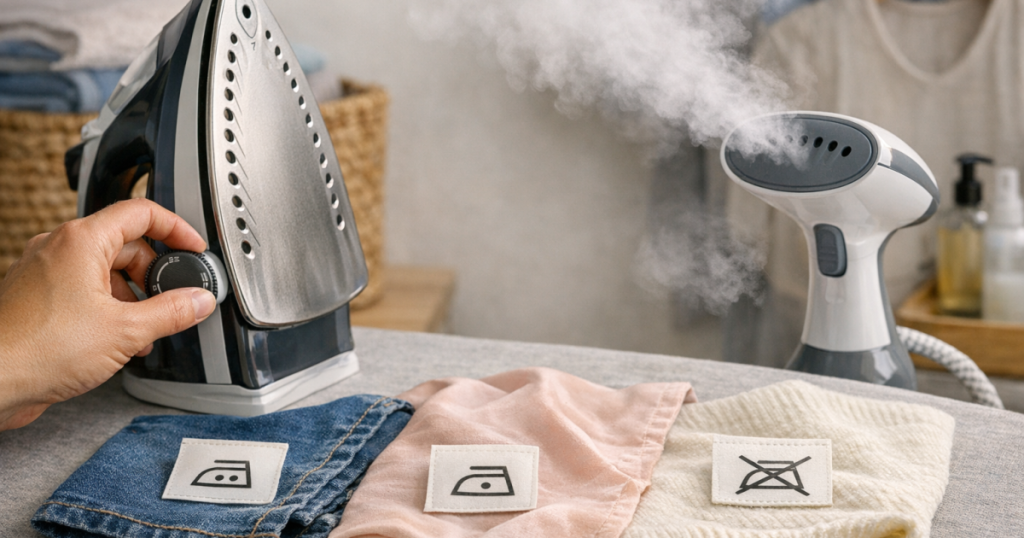
Getting creases out without glazing wool, shrinking viscose or leaving shine on dark cotton starts with understanding steam settings, heat levels and the care label. The label gives the boundary; the fabric type tells you how cautious to be; the iron or steamer controls how much moisture and heat you actually apply.
The safest rule is simple: use the lowest effective heat, add moisture only when the fabric benefits from it, and test somewhere discreet before pressing a visible area. A stubborn crease is easier to treat twice than a scorched or distorted garment is to rescue.
The big picture
Heat relaxes fibres so they can be reshaped. Steam adds moisture, which helps many natural fibres release creases faster. Pressure flattens the cloth into place. Good ironing is the balance of all three, not simply turning the dial up until the crease disappears.
Care labels matter because the same-looking garments can behave very differently. A cotton shirt with elastane, a viscose blouse with a dark dye, and a wool coat lining may all react badly to a setting that would be harmless on plain white cotton. Labels are not perfect, but they are the first limit to respect.
Reading the iron symbol correctly
Most UK clothing labels use familiar care symbols. For ironing, look for the iron-shaped icon and any dots inside it. The dots are heat guidance, not a quality rating or a suggestion to use maximum power.
- One dot: cool iron. Usually suited to more heat-sensitive fabrics and blends. Use minimal pressure and avoid lingering.
- Two dots: medium heat. Common on many everyday garments where moderate pressing is allowed.
- Three dots: hot iron. Usually reserved for robust fabrics such as some cottons and linens, provided the full garment construction allows it.
- Crossed-out iron: do not iron. Use another refresh method only if the fabric care instructions allow it.
- Extra wording: phrases such as cool iron on reverse, do not steam, reshape whilst damp or dry clean only can be more important than the symbol alone.
When the label and fabric feel contradictory
Follow the more cautious instruction. A garment may have trims, coatings, printed areas, linings, interfacing or stretch fibres that are more vulnerable than the main fabric. If a cotton-rich dress says one dot, treat it as a one-dot garment, even if plain cotton would normally tolerate more heat.
How steam settings affect fabric
Steam is useful because moisture helps fibres relax, but it is not universally gentle. Too much steam can swell fibres, mark delicate cloth, loosen adhesives in structured areas or make a garment lose its shape. The right level depends on fibre, weave, finish and the result you want.
- No steam: safer for fabrics that water-mark, structured garments, many printed areas, pleats that rely on a finish, and labels that warn against steaming.
- Light steam: useful for light cotton, linen blends, wool knitwear and many everyday shirts when used with controlled movement.
- Continuous or stronger steam: better reserved for robust cottons, linens and heavier washable fabrics that tolerate heat and moisture well.
- Vertical steam: helpful for refreshing hanging garments, but it should not replace checking the label, especially on velvet, silk, viscose and coated fabrics.
If your iron has a steam burst, use it sparingly. A burst can help a stubborn crease, but repeated blasts in one spot can leave damp patches or distort fabric before the heat has time to dry it evenly.
Heat levels by common fabric
Fabric labels always override general rules, but these starting points help you avoid the most common mistakes at home.
- Cotton: often tolerates medium to high heat, but dark cotton can develop shine if pressed hard on the right side. Iron inside out or use a pressing cloth.
- Linen: usually benefits from moisture and firm pressing, especially when slightly damp. Check blends carefully, as linen mixed with viscose or synthetics may need lower heat.
- Wool: responds well to gentle steam but dislikes hard, dragging pressure. Press through a cloth, lift the iron rather than sliding it, and let the garment cool flat.
- Silk: use low heat, little or no steam unless the label allows it, and press on the reverse. Water droplets can leave marks on some silks.
- Viscose, modal and lyocell: treat cautiously. These fibres can crease heavily but may stretch, shrink or distort with wet heat. Use low to medium heat only if the label permits.
- Polyester, nylon and acrylic: use low heat. These fibres can melt, glaze or become shiny if overheated.
- Elastane blends: avoid high heat. Stretch fibres can lose recovery when exposed to excessive heat, even when the main fibre seems robust.
- Printed, embellished or coated areas: avoid direct heat. Press from the reverse with a cloth, or avoid ironing the decorated area entirely.
Steam, dry ironing and garment steamers
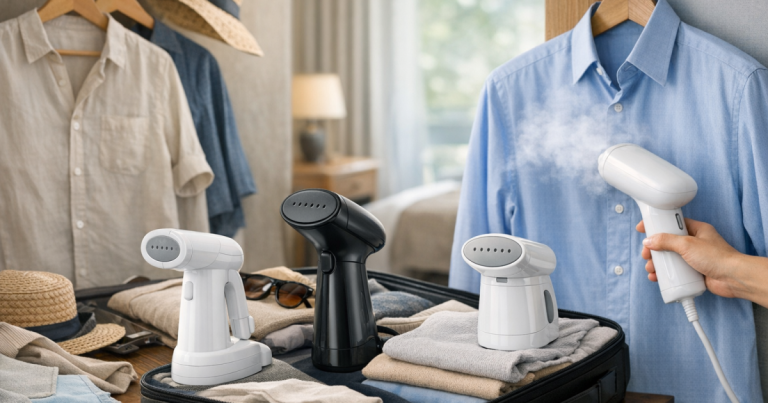
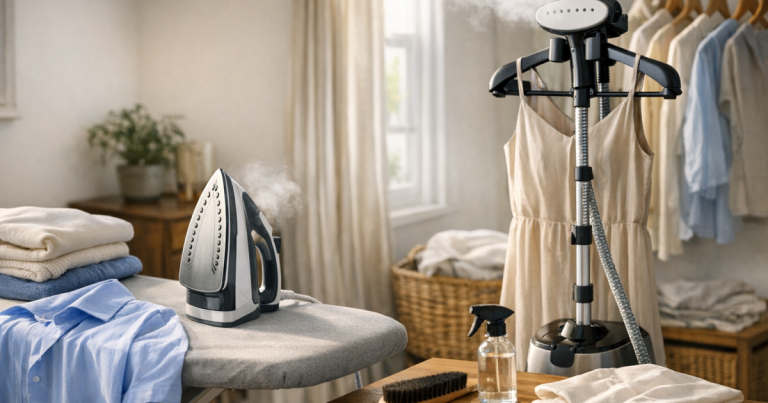
A dry iron is useful when you need crisp edges, controlled pressure or a smooth finish without added moisture. Steam ironing is better when the fabric can benefit from humidity and you want creases to relax faster. A handheld garment steamer is usually better for refreshing, lifting light creases and treating garments that are awkward to put on a board.
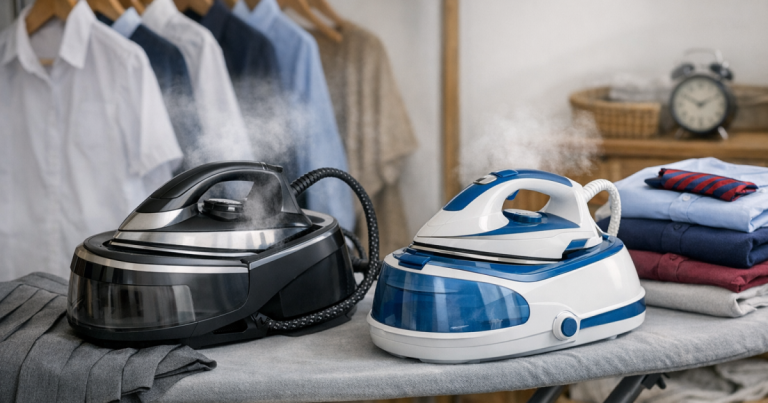
Hybrid tools blur the line between steaming and pressing. If you are weighing up that style of tool, the Steamery Cirrus No.3 Iron Steamer review explains how a steamer-iron design behaves on everyday clothes. For a broader look at workflow, pressure and crease removal, the comparison of the Steamery Cirrus No.3 versus Tefal steam irons is a useful next read.
The important distinction is pressure. A steamer relaxes fibres without flattening them firmly against a board. An iron combines heat, moisture and pressure, which is why it can create a sharper finish but also causes more damage when used too hot or too aggressively.
Fabrics that need extra restraint
Some garments are not difficult because they are fragile in a simple way; they are difficult because the surface finish changes under heat, water or pressure. Velvet is the classic example. The pile can crush if pressed flat, so it needs hovering steam, careful support and no heavy contact. For a full method, see the guide to steaming velvet clothes without crushing the pile.
- Corduroy: treat like a piled fabric. Steam from the reverse or hover rather than flattening the ridges.
- Satin weaves: prone to shine and water marks. Use low heat, reverse pressing and a clean cloth.
- Pleated garments: heat can reset or weaken pleats depending on the fabric and finish. Follow the label closely.
- Tailored jackets and coats: avoid flattening lapels, shoulders and seams. Use steam lightly and allow the garment to dry fully before wearing or storing.
- Dark wool and dark cotton: shine can appear quickly under pressure. A pressing cloth is often the difference between a clean finish and a glossy patch.
A safer routine before you press
Most ironing damage happens because the first test is done on the front of the garment. Build a short routine before heat touches the visible fabric.
- Read the care label first, including any written instructions beneath the symbols.
- Check the fibre content, not just the look and feel of the garment.
- Start below the recommended maximum, then increase only if creases remain.
- Test on an inside seam, hem allowance or hidden facing.
- Use a clean, dry pressing cloth for dark, delicate, shiny or textured fabrics.
- Empty or refresh stale water in the iron if it has been sitting unused.
- Let the garment cool and dry before moving it, hanging it tightly or putting it away.
That final cooling stage is easy to skip, but it matters. Fibres are still settling after heat and moisture. Moving a garment too soon can put creases straight back in or stretch damp areas out of shape.
Common mistakes that cause shine, marks and distortion
- Using maximum heat for speed: higher heat may remove creases faster, but it also narrows your margin for error.
- Dragging the iron over wool: sliding pressure can flatten texture and create shine. Press, lift and move instead.
- Steaming fabrics that water-mark: silk, satin and some viscose garments can show droplets or tide marks.
- Ignoring blends: a cotton-polyester shirt is not the same as pure cotton. Treat it according to the most heat-sensitive fibre.
- Pressing over stains: heat can set some residues more firmly into the fabric. Deal with marks before ironing.
- Using a dirty soleplate: residue can transfer onto pale shirts and delicate fabrics. Check the soleplate before you start.
Keeping your iron and steamer fabric-safe
Good technique is only half the job. A clean soleplate glides more evenly and is less likely to leave marks. Steam vents should be kept clear according to the appliance instructions, especially in hard-water areas. If your iron spits or leaves brown marks, stop using steam on good clothing until the cause is dealt with.
Use the water type recommended by the manufacturer. Some appliances are designed for tap water, while others may advise a different approach. Do not add fragrance, laundry products or vinegar to the water tank unless the appliance instructions specifically allow it; residues can mark fabric and affect the appliance.
FAQ
Should I use steam on every garment?
No. Steam helps many cotton, linen and wool garments, but it can mark silk, distort viscose, flatten pile fabrics and damage some finishes. Let the care label and fibre content decide.
What does one dot on the iron symbol mean?
One dot means use a cool iron. It is a warning to keep heat low and avoid heavy pressure, especially on synthetics, delicate fabrics and blends.
Is steaming safer than ironing?
Sometimes, but not always. Steaming avoids firm pressure, which helps textured garments, but it still uses heat and moisture. Fabrics that water-mark or lose shape can still be damaged.
Why does my black shirt go shiny after ironing?
Shine usually comes from too much heat, pressure or direct contact on the right side of the fabric. Iron inside out, lower the heat and use a pressing cloth.
Can I ignore the label if I know the fabric?
No. The label accounts for trims, linings, finishes and blends as well as the main cloth. If the label is more cautious than expected, follow the label.
What stands out
The best setting is rarely the hottest one. Fabric-safe pressing means reading the label, understanding the fibre, controlling steam and giving the garment time to cool. Start gently, use moisture only where it helps, and protect vulnerable surfaces with a cloth or a no-contact steaming method. Your clothes will look sharper, and they will last longer.