Uniform & Workwear Care
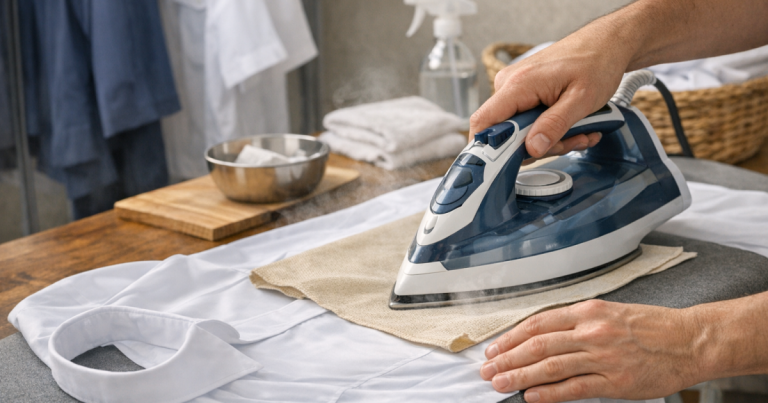
How to Iron Uniform Shirts Without Shiny Marks
Shiny plackets, collars and cuffs usually come from excess heat or pressure. Use gentler technique to keep shirts crisp, not glossy.
Read article →
Topic archive
A UK-focused garment care site that helps readers protect, refresh, store and maintain everyday clothing, uniforms and delicate fabrics through expert care guides, product comparisons and practical home…
Browse articles
Shiny plackets, collars and cuffs usually come from excess heat or pressure. Use gentler technique to keep shirts crisp, not glossy.
Read article →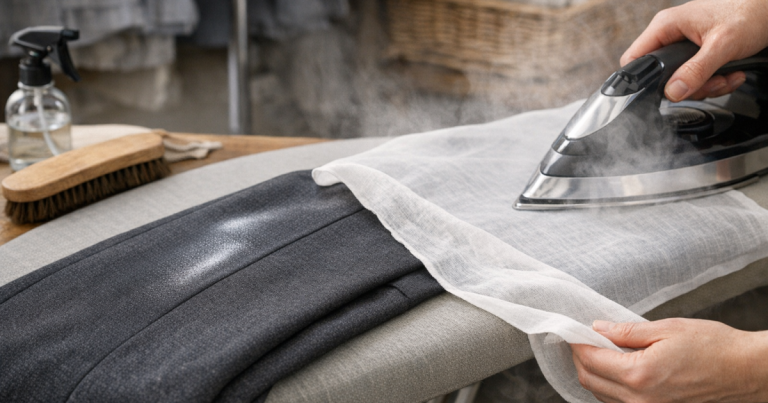
Shiny knees, seams or creases are usually caused by heat and pressure. Here’s how to press wool without flattening the fibres.
Read article →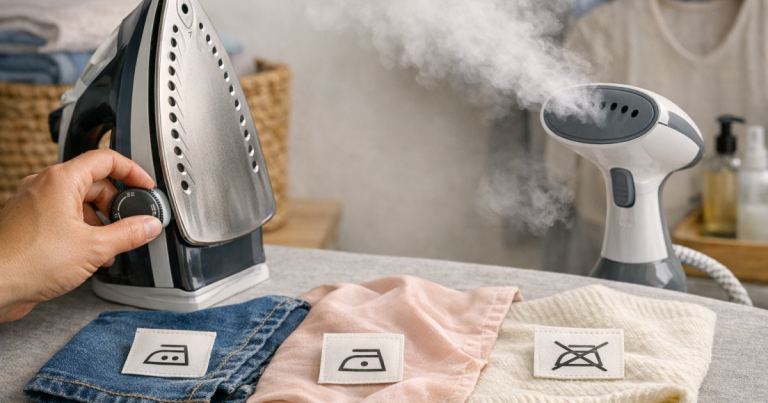
Stop guessing at the ironing board: match heat, steam and fabric labels before shine, shrinkage or water marks appear.
Read article →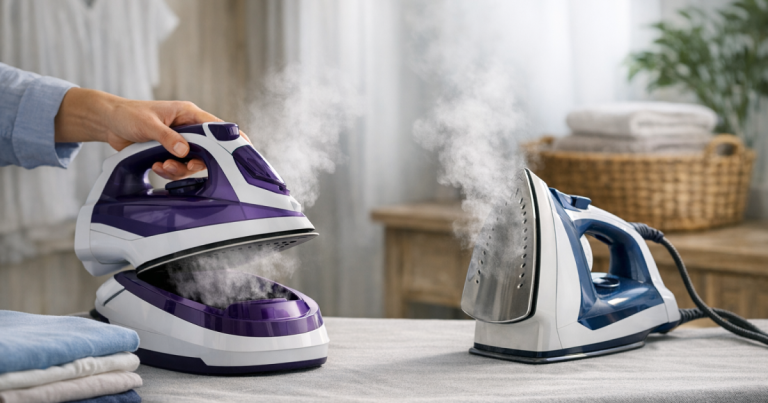
Cable-free ironing sounds liberating, but the base reheat rhythm can make or break busy laundry sessions.
Read article →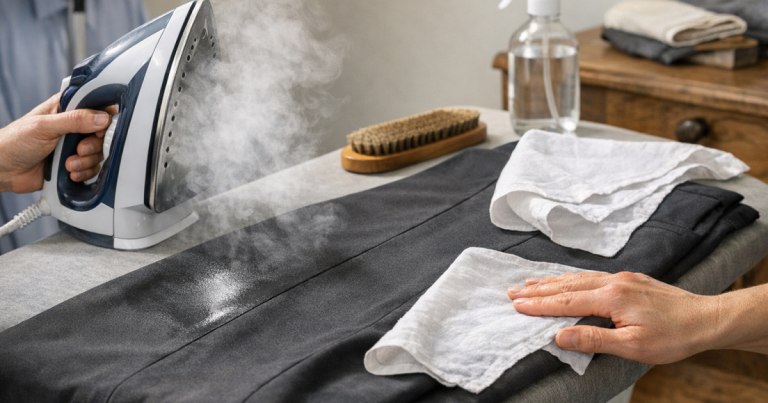
Glossy knees and seams are usually caused by heat and pressure, not poor ironing. Adjust your pressing routine before the shine sets…
Read article →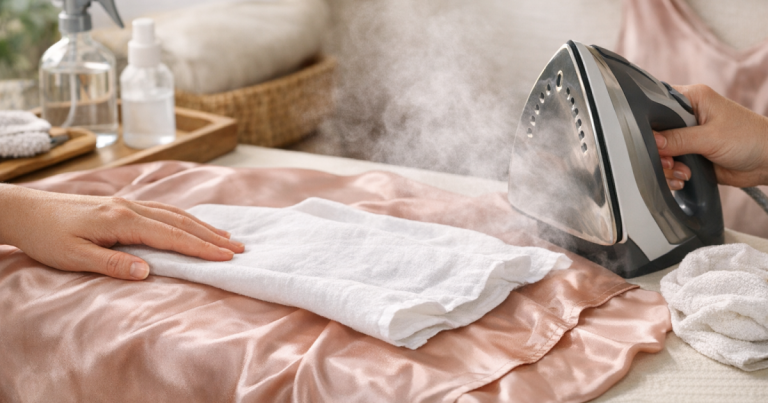
Smooth satin can turn glossy or patchy if pressed too hard. Use low heat, steam and a barrier cloth to relax creases…
Read article →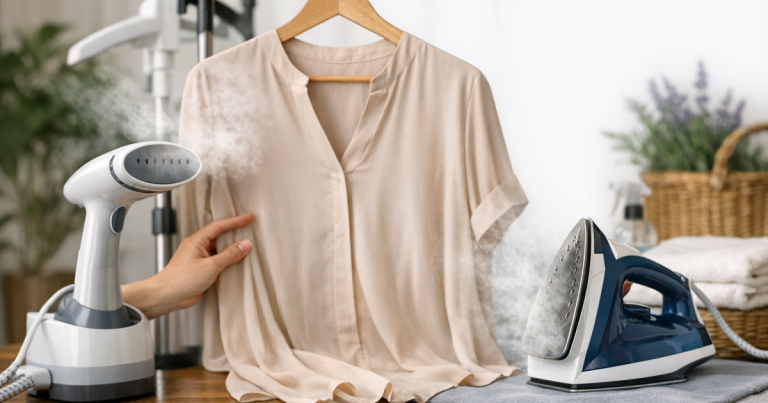
Viscose can crease, shine, stretch or water-mark. The safest choice depends on contact heat, moisture and how much shape control you need.
Read article →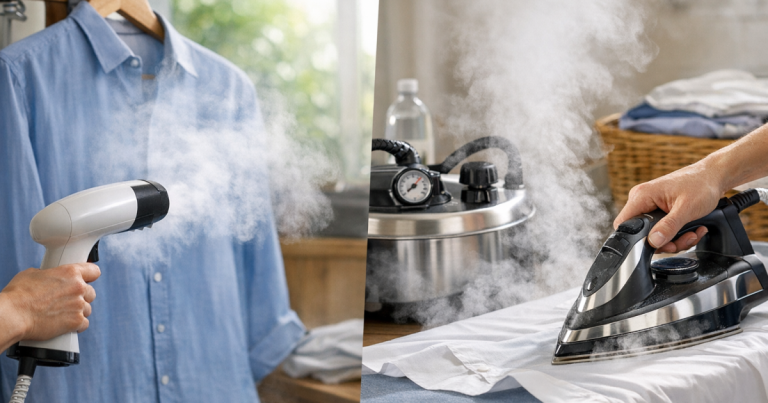
Creases come out more easily when moisture, temperature and pressure are used in the right order for the fabric.
Read article →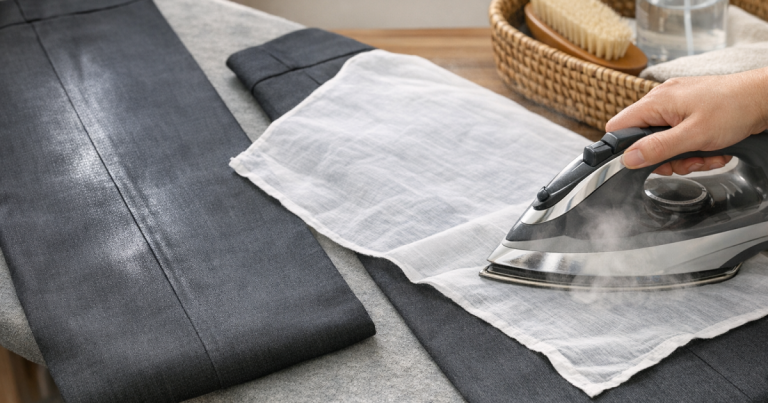
Dark trousers can turn glossy fast under a hot iron. A simple cloth barrier helps, but only if heat, steam and pressure…
Read article →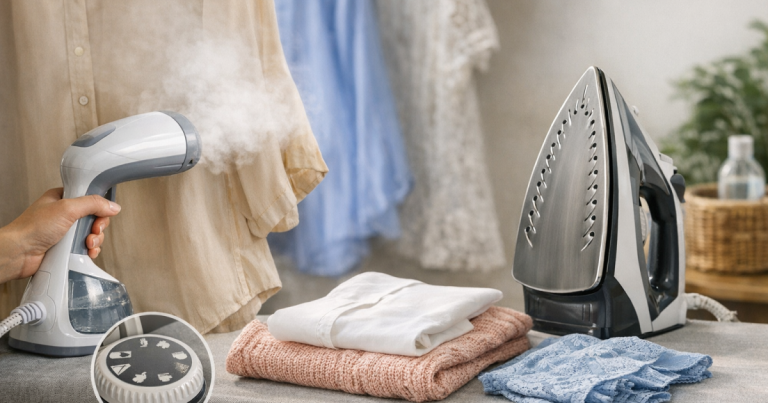
Match heat and steam to the fabric, not the crease, so shirts, uniforms, knitwear and delicates look fresh without avoidable damage.
Read article →