Indoor drying is often unavoidable in a British winter, but slow drying can leave clothes stiff, creased or faintly musty. Buying a dehumidifier for laundry is not just about choosing the biggest unit; it is about matching the appliance to your drying space, fabric habits and the way your household actually washes.
A good choice should remove moisture steadily, keep air moving around garments and be simple enough that you will use it regularly. The checks below will help you compare models without getting distracted by features that do not matter for everyday garment care.
The checks that matter most
- Drying space: Measure where your airer sits and check whether the room can be closed off during drying.
- Dehumidifier type: Compressor and desiccant models suit different temperatures and usage patterns.
- Extraction rate: Compare stated daily moisture removal, but remember that real homes rarely match test conditions.
- Tank size and drainage: A larger tank is more convenient, while continuous drainage may suit utility rooms.
- Airflow: Laundry dries best when air can move through the clothes, not just around the room.
- Noise and placement: Important if drying happens near bedrooms, living rooms or a home office.
- Running cost: Check the wattage and your electricity tariff rather than relying on vague efficiency claims.
- Fabric care: The aim is steady drying, not blasting clothes with heat or trapping them in damp air.
What the appliance needs to do well
For laundry, a dehumidifier is useful because it removes water vapour from the air around damp clothes. That encourages moisture to leave the fabric instead of lingering in the room, on windows or in soft furnishings. It does not replace good washing habits, enough spin speed or sensible spacing on the airer, but it can make indoor drying more reliable.
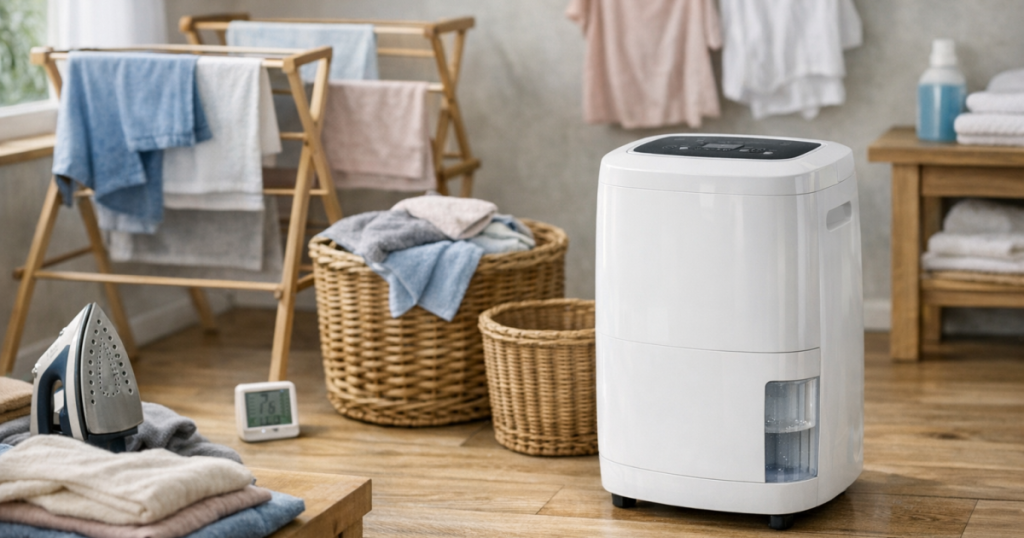
The biggest mistake is treating the unit as a magic box that can fix an overloaded clothes horse in a cold, open-plan room. It works best in a contained space: a spare room, utility room, landing area with a door, or bathroom that is dry and safe for appliance use. Close the door, keep windows shut while it runs, and give the machine enough clearance around its air inlet and outlet.
If towels, hoodies or school jumpers often smell stale after drying indoors, the problem is usually time spent damp rather than the fabric itself. For wash routine checks, see our guide on how to stop towels smelling musty after washing; a dehumidifier helps most when the washing is already clean and well-rinsed.
Choose the right type for your room temperature
Most buyers will be comparing compressor and desiccant dehumidifiers. Both can dry laundry, but they behave differently in real UK homes.
Compressor models
Compressor dehumidifiers are common for heated rooms. They are usually a sensible starting point for living areas, bedrooms, spare rooms and utility spaces that stay reasonably warm. If your laundry dries in a typical heated room, compare compressor models first, then check noise level, tank size and controls.
Desiccant models
Desiccant dehumidifiers can be useful in cooler spaces such as garages, conservatories or unheated utility areas, because their performance is less dependent on room warmth. They may add a little warmth to the air and can use more electricity than some compressor alternatives, so check the stated power consumption and consider where you will actually run it.
Do not choose solely by the headline extraction figure. A model tested under warm, humid laboratory conditions may remove less moisture in a cool British hallway. Look for independent reviews, retailer data and manufacturer guidance that explain typical use, not just maximum conditions.
Check extraction rate without overbuying
Extraction rate is usually shown in litres per day. It tells you how much moisture the appliance can remove under specified test conditions, but the number is not the same as how quickly your jeans will dry on a Tuesday evening. Room temperature, how wet the load is, airer spacing, spin speed and door position all affect the result.
As a rough buying approach, a small flat or occasional drying setup may not need the largest unit available. A family home with frequent towel loads, sports kit and uniforms may benefit from a higher-capacity model because it has more moisture to handle and will be used more often. If you wash several loads back-to-back, also check whether the tank will fill before the clothes are dry.
Real models to compare in UK shops include the MeacoDry Arete One 20L, the EcoAir DD1 Simple MK3 and the Pro Breeze 20L Premium Dehumidifier. Treat them as reference points rather than automatic answers: verify the current specifications, dimensions, noise rating, drainage options and warranty terms before deciding.
Look closely at tank size, drainage and emptying
Tank size affects convenience more than fabric results. A small tank can still dry laundry, but you may need to empty it more often. If the tank fills and the machine stops before the load is dry, clothes may sit damp for hours, undoing much of the benefit.
Continuous drainage is worth considering if the appliance will live in a utility room, bathroom-adjacent area or other suitable space where a hose can drain safely. Check whether the hose is included, what size it needs to be, where the drainage outlet sits and whether gravity drainage will work in your chosen position. Avoid makeshift arrangements that could leak onto flooring or create trip hazards.
The tank should be easy to remove, carry and refit without sloshing water across the room. If you struggle with grip or mobility, this matters more than it might seem in a product listing.
Do not ignore airflow around the clothes
Moisture removal matters, but air movement around garments is just as important. Clothes dry slowly when they are bunched together, draped in thick layers or pushed tight against a wall. Leave space between items, put heavier garments on outer rails, and avoid folding towels double unless you rotate them during drying.
Some dehumidifiers include a laundry or drying mode. This can be useful, but check what it actually does. On some appliances it may run the fan continuously or target a lower humidity level; on others it may simply be a timed high setting. The feature is only valuable if it suits your routine and does not make the room uncomfortably noisy.
For dark garments, indoor drying can be kinder than strong sun exposure, but wash settings still matter. If black jeans, navy uniforms or dark cotton tops are fading, pair careful drying with the washing advice in our guide to stop dark clothes fading in the wash.
Noise, size and where it will live
A dehumidifier that is too loud or awkward to move often ends up unused. Check the stated noise level, but also read owner feedback about fan tone, vibration and night-time use. A low hum in a utility room may be fine; the same sound beside a bedroom door can be irritating.
Measure the floor space where you plan to use it, including clearance around the appliance. Consider the route from storage to drying area, especially if you will wheel it across carpet, thresholds or narrow landings. Castors, handles and cable storage are not glamorous features, but they can decide whether the unit fits naturally into your laundry routine.
Keep the appliance away from dripping clothes. Washing should be spun well before going on the airer, and garments should not hang directly over the unit. Leave ventilation space around vents and follow the manufacturer’s placement instructions.
Running costs and controls
To estimate running cost, look at the appliance wattage. Convert watts to kilowatts, multiply by the number of hours you expect to run it, then multiply by your electricity unit rate. This gives a more useful comparison than broad claims about being cheap to run.
A built-in humidistat can help because the appliance can reduce operation or stop once the target humidity is reached. Timers are useful if you want it to run during a defined drying window. Auto-restart may matter if your home has occasional power cuts, but it is less important than tank shut-off, sensible controls and easy filter cleaning.
Filters should be simple to access. A clogged filter restricts airflow and makes the machine work harder. Check the manual before buying so you know how often the filter needs cleaning and whether replacement parts are easy to source in the UK.
Fabric-aware drying habits that improve results
The dehumidifier is only one part of the drying setup. Start with a good spin cycle where the care label allows it, because less retained water means less work for the appliance. Shake garments before hanging to open seams and reduce deep creases. Put thick waistbands, cuffs and pockets where air can reach them.
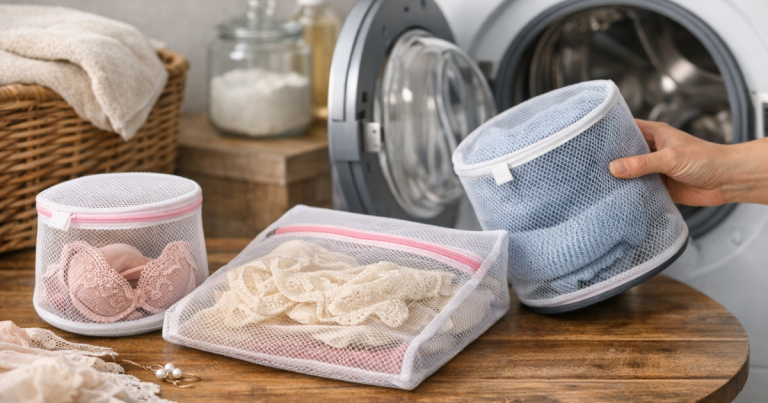
Delicates, woollens and embellished items still need care-label-led drying. A dehumidifier removes moisture from the room, but it does not make unsuitable hanging methods safe. Lay reshape-prone knits flat on a suitable drying rack, keep beaded or structured garments supported, and avoid forcing heat or airflow into fragile fabrics.
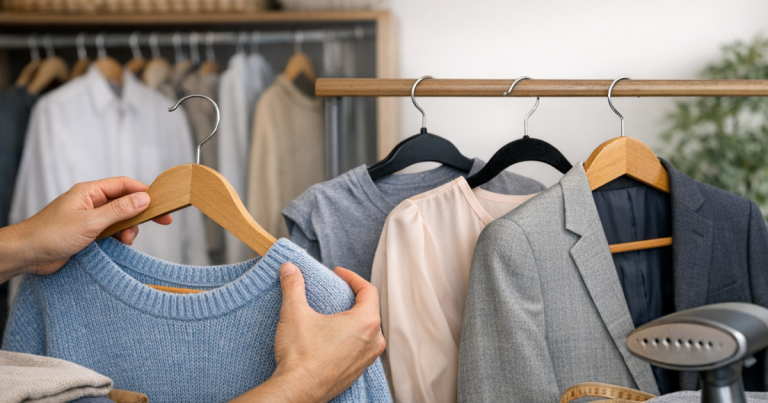
If clothes come off the airer dry but heavily creased, finishing technique can matter as much as drying speed. For shirts, viscose blends and occasionwear, our advice on how to steam creased clothes without leaving water marks is a useful next step.
Buying checks before you commit
- Check the dimensions: Include handle height, wheel clearance and the space needed around vents.
- Read the manual online: Confirm filter cleaning, tank removal, drainage instructions and recommended room size.
- Compare realistic use: Think about your usual loads: towels, bedding, uniforms, gym kit or everyday cottons.
- Look for clear controls: Simple humidity settings and a useful timer often beat a crowded control panel.
- Assess the drying room: A closeable room is usually more effective than an open hallway or large open-plan space.
- Consider storage: If it will be packed away in summer, check weight and lifting points.
- Verify returns and support: Confirm retailer return terms, manufacturer support and access to replacement filters.
Things readers ask
Will a dehumidifier dry clothes as quickly as a tumble dryer?
No. A tumble dryer is usually faster, but a dehumidifier can be gentler for many air-dry garments and useful where tumble drying is unsuitable or too limited by space.
Should I leave the window open while it runs?
No. For laundry drying, close the windows and door so the appliance is treating the room air rather than constantly pulling in fresh damp air from outside.
Can I use it in a bathroom?
Only use it where the manufacturer says it is safe to do so, and keep it away from splashes, wet floors and direct drips from clothing. Many households use a nearby landing or utility space instead.
Does a bigger tank mean better drying?
Not directly. A bigger tank mainly means less frequent emptying. Drying performance depends more on extraction, room conditions, airflow and how the laundry is spaced.
Is laundry mode essential?
No, but it can be convenient. A model with a good humidistat, strong airflow and sensible controls can still dry laundry well without a dedicated laundry button.
Main points
The best dehumidifier for laundry is the one that fits your actual drying room, load size and routine. Prioritise the right type for the room temperature, realistic extraction, manageable tank emptying, good airflow, acceptable noise and straightforward maintenance.
Before buying, picture a normal wash day rather than an ideal product listing: where the airer goes, how tightly clothes are hung, whether you can close the door, how often you will empty the tank and whether the sound will annoy you. Those practical checks are what turn a dehumidifier from a rarely used appliance into a reliable part of fabric care at home.