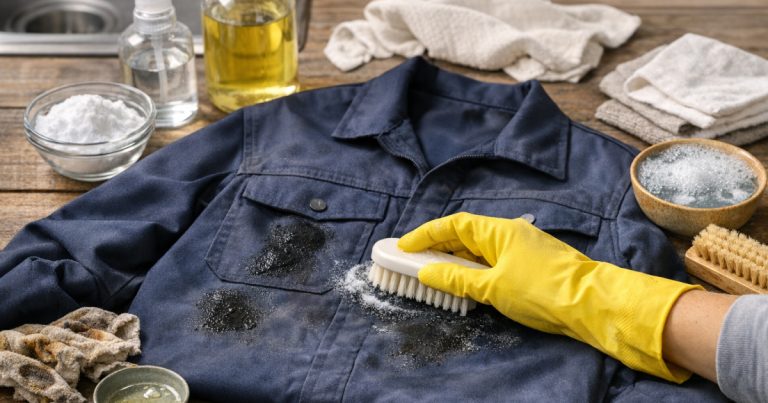

Clothes that come out of a loft box, suitcase or under-bed bag smelling stale need a slower approach than simply adding more detergent. The safest way to deal with musty stored clothes is to air, inspect and wash according to fabric type, so odour is lifted without fading, shrinking or roughening the fibres.
Mustiness usually means trapped moisture, poor airflow or residues left in the fabric before storage. A good routine tackles all three: release the smell, clean the garment properly, then store it in a drier, more breathable way.
The short version
- Take clothes out of storage and air them before washing, rather than masking the smell with fragrance.
- Check care labels, fibre type and any visible mildew marks before choosing a wash method.
- Wash with the correct detergent dose and the warmest temperature the care label allows.
- Dry clothes completely before putting them away again; even slight dampness can restart the smell.
- Improve storage with clean garments, breathable containers and a dry, ventilated space.
Start with a close inspection
Before anything goes into the machine, open the storage bag or box in a ventilated room and look over each garment. Musty odour can be mild and harmlessly stale, but it can also come with mildew spots, damp patches, insect damage or yellowing from old body oils.
Check these areas carefully:
- Underarms, collars and cuffs: old sweat and deodorant residue can smell stronger after months in storage.
- Fold lines: tightly packed clothes often hold stale air where folds have been compressed.
- Pockets and linings: tissues, receipts and trapped dust can hold moisture and odour.
- Dark specks or fuzzy marks: these may be mildew. Avoid shaking the garment indoors, as that can spread spores and dust.
- Care label symbols: wool, silk, viscose, embellished fabrics and structured jackets need gentler handling than cotton T-shirts or polycotton uniforms.
If a garment is heavily mould-stained, smells sharply damp even after airing, or the fabric feels weakened, it may not be worth aggressive treatment. Repeated hot washing, bleach or scrubbing can do more damage than the original storage problem.
Air first, wash second
Airing helps release trapped odour so the wash is not doing all the work. Hang garments individually with space around them, ideally outdoors in dry weather or near an open window. Avoid strong direct sun for dark colours, silk, wool and prints, as it can fade or weaken some fibres.
For jumpers and knits, lay them flat on a clean towel or mesh drying rack rather than hanging them from the shoulders. For coats and structured items, use a broad hanger so the garment keeps its shape while it airs.
Give lightly musty items a few hours of airflow before washing. Very stale storage smells may need overnight airing in a dry room. Do not spray perfume, fabric mist or essential oils directly onto clothing at this stage; fragrance can trap odour underneath and may stain delicate fabrics.
Sort by fabric, not just colour
Stored clothes often include mixed loads: winter knitwear, school uniform, summer dresses, waterproof jackets, bedding, sports kit and occasionwear. Sorting only by colour can lead to the wrong wash action for the most delicate item in the pile.
- Cotton and polycotton basics: usually tolerate a normal wash, but still follow the care label and avoid overloading the drum.
- Wool and cashmere: use a wool cycle or hand wash if the label allows washing. Avoid biological detergents on protein fibres such as wool and silk.
- Silk, lace and lingerie: use cool water, minimal agitation and a suitable delicate detergent. For fragile items, follow a careful method such as how to hand wash lace lingerie without snagging.
- Waterproof coats: do not treat them like ordinary laundry, as heavy detergent residues and fabric conditioner can affect finishes. Use the right approach for washing waterproof coats without damaging the finish.
- Dry-clean-only garments: air thoroughly, brush gently and take them to a cleaner if the smell remains or the garment has lining, tailoring or embellishment.
Wash without over-treating the fabric
The aim is to remove odour-causing residues, not to punish the garment. Use the correct dose of detergent for the load size and water hardness in your area. Too much detergent can leave residue in fibres, which may make clothes feel stiff and smell stale again when stored.
Choose the warmest temperature the care label allows. For many everyday garments that may be 30°C or 40°C, but wool, silk, viscose and delicate blends may need cooler water. If the label allows it and the fabric is robust, a longer wash cycle can be more useful than simply increasing the detergent dose.
Use these wash habits for better results:
- Do not overload the machine: stored clothes need room for water and detergent to move through the fibres.
- Skip fabric conditioner for the first wash: it can coat fibres and trap odour, particularly in sportswear, towels and waterproof finishes.
- Add an extra rinse if needed: useful when garments have been stored with detergent residue, dust or fragrance sachets.
- Avoid chlorine bleach unless the care label clearly allows it: it can weaken fibres, damage colours and mark some synthetics.
- Keep vinegar separate from bleach or chlorine products: never combine them in the same wash or soaking routine.
For washable cottons with a lingering smell, a pre-soak in cool water with a suitable laundry product can help loosen residues. Keep soaking short for coloured items and avoid soaking wool, silk, leather trims or anything with metal decorations unless the care label supports it.
Use gentle odour fixes where they suit the garment
There is no single safe deodorising trick for every fabric. Bicarbonate of soda, white vinegar and laundry sanitisers are often discussed for odours, but each has limits. The safest option is always the one compatible with the garment label, dye stability and fibre type.
- Bicarbonate of soda: can help absorb odour from storage boxes or wardrobes, but do not rub it into delicate, dark or textured fabrics where it may leave residue.
- White vinegar: may help with some stale smells in washable cottons, but use sparingly, rinse well and avoid it on delicate fibres, elastane-heavy garments and items with special finishes unless the label permits.
- Laundry sanitiser: can be useful for robust washable garments, but check the label for fabric suitability and do not assume it is safe for wool, silk or waterproof coatings.
- Fresh air: often does more than people expect, especially when clothes have simply been sealed away too tightly.
If there are visible food, oil or storage stains as well as smell, treat those marks before washing. Musty odours can cling to greasy residue, so removing the stain source matters as much as deodorising.
Dry completely before deciding the smell has gone
Clothes can smell clean when damp and musty again once dry. After washing, dry garments fully and then smell them at the seams, waistband, underarms and thicker areas. These spots hold moisture longer than flat panels of fabric.
Outdoor drying is excellent in dry weather, but avoid leaving clothes outside in damp air late in the day. Indoors, use good ventilation and space garments apart. If you rely on indoor drying, a dehumidifier or a well-managed airer can help reduce the damp conditions that cause mustiness in the first place.
Heated airers can be useful in UK homes during wet weather, but they need airflow and sensible timing. For a fabric-safe routine, see these tips on using a heated airer without overdrying clothes.
If the smell comes back
A returning musty smell usually means one of four things: the garment was not fully dry, the washing machine needs cleaning, the storage area is damp, or old residues are still in the fibres. Work through the likely cause rather than repeating the same wash several times.
Check the washing machine
A musty machine can transfer odour to freshly washed clothes. Clean the detergent drawer, door seal and filter according to the manufacturer’s instructions. Run a maintenance wash if your machine manual recommends one, and leave the door and drawer open after use so moisture can escape.
Repeat with a better-rinsing load
If the garment feels soapy, stiff or coated, wash again with less detergent and an extra rinse. This is often more effective than adding stronger products.
Reassess the storage area
Lofts, garages, airing cupboards with poor airflow, under-bed boxes against cold floors and wardrobes on external walls can all hold moisture. If the space smells musty, clothes stored there will eventually smell musty too.
How to store clothes so the smell does not return
Prevention starts before storage. Wash or clean clothes before putting them away, even if they look unworn. Body oils, deodorant, food traces and outdoor pollution can become more noticeable over time and may attract insects.
- Store only bone-dry clothing: wait until seams, waistbands and thick knit areas are fully dry.
- Use breathable storage where possible: cotton garment bags and fabric boxes allow more airflow than sealed plastic.
- Avoid long-term compression for knitwear: heavy vacuum packing can flatten loft and set creases into wool and cashmere.
- Keep containers off cold floors: a small gap can reduce condensation risk.
- Add moisture control carefully: silica gel packs can help in boxes, but keep them away from children and pets and replace or dry them as directed.
- Refresh storage every few months: open boxes, air garments and check for damp or insect activity.
Lavender sachets and cedar blocks can make storage smell fresher, but they do not clean fabric or remove moisture. Treat them as a finishing touch, not a substitute for washing and drying properly.
Common questions
Can I wear clothes that smell musty after storage?
It is better to air and wash them first. A stale smell may be only trapped odour, but it can also indicate moisture, mildew or residues that should not sit against the skin all day.
Will one hot wash remove the smell?
Not always, and heat is not safe for every fabric. Follow the care label, avoid overloading the drum and focus on detergent dosing, rinsing and thorough drying.
Can dry-clean-only clothes be deodorised at home?
You can air them, brush off dust and use a steamer carefully if the fabric allows it, but persistent odour, mildew marks or structured tailoring should be handled by a cleaner.
Why do clothes smell musty even in a wardrobe?
The wardrobe may have poor airflow, be against a cold external wall, or contain clothes that were put away slightly damp. Empty it, air it and check for condensation or damp patches.
Is fabric conditioner useful for storage smells?
It can make clothes smell nicer temporarily, but it may coat fibres and trap residues. For mustiness, cleaning, rinsing and drying thoroughly are more reliable.
Why it matters
Removing musty smells safely is less about using the strongest treatment and more about matching the method to the fabric. Air first, wash with restraint, dry completely and fix the storage conditions that caused the smell. That approach protects everyday clothes, uniforms, coats and delicates while making it far less likely that the odour will come back next time you open the box.